Practical information Mongolia
Preparing a trip to Mongolia requires specific information that our team based in Ulaanbaatar shares here without reservation. Regarding formalities, entry requirements depend on your nationality. You must check the specific conditions with the embassy or consulate of Mongolia in your country, as well as with your own country's authorities. A valid passport is essential; we recommend it remains valid for at least six months beyond your planned departure date. Some nationalities may be eligible for visa exemptions for short stays, while others will need to apply for a visa. Health-wise, no vaccinations are mandatory, but we recommend being up to date on DTP, hepatitis A and B, and bringing a kit for common digestive issues linked to high-altitude cuisine and fermented dairy products. Malaria does not exist in Mongolia. The daily budget per person on an organized circuit typically ranges from 120 to 180 euros all-inclusive (yurts, meals, 4x4 with driver, guide), excluding international flights. Climate requires strict seasonal planning: mid-June to mid-September for the steppe and Gobi, October for the eagle festival in the Altai, extreme winter from November to March with temperatures dropping to -40°C. Land transport is mainly by Russian UAZ 4x4 or Land Cruiser on tracks, covering 200 to 400 km per day depending on the region. For long distances to the Altai or Khövsgöl, domestic flights save time. Our team in Ulaanbaatar can also guide you on local customs: never step on the threshold of a yurt, accept the bowl of airag offered to you, remove your hat when entering a monastery.
Plan your trip by theme
Explore our practical guides organized by category to quickly find the information you need.
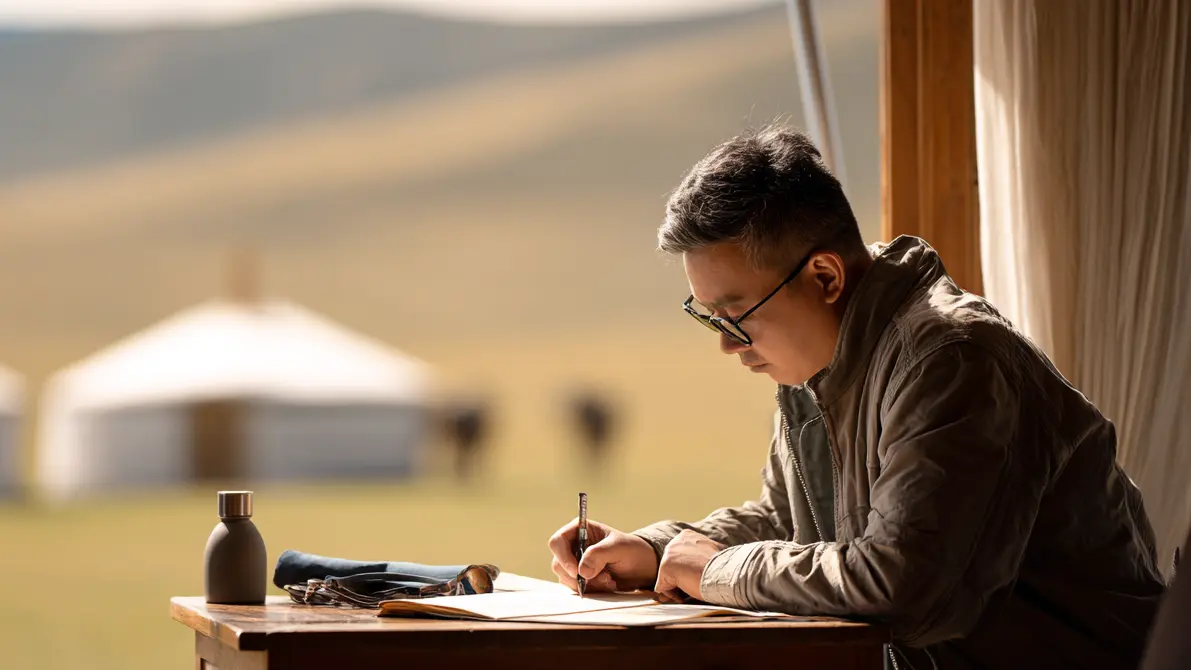
Before You Go
30-day visa exemption for French nationals, passport valid for 6 months, e-visa beyond, insurance and formalities to arrange in advance for Mongolia.
6 articles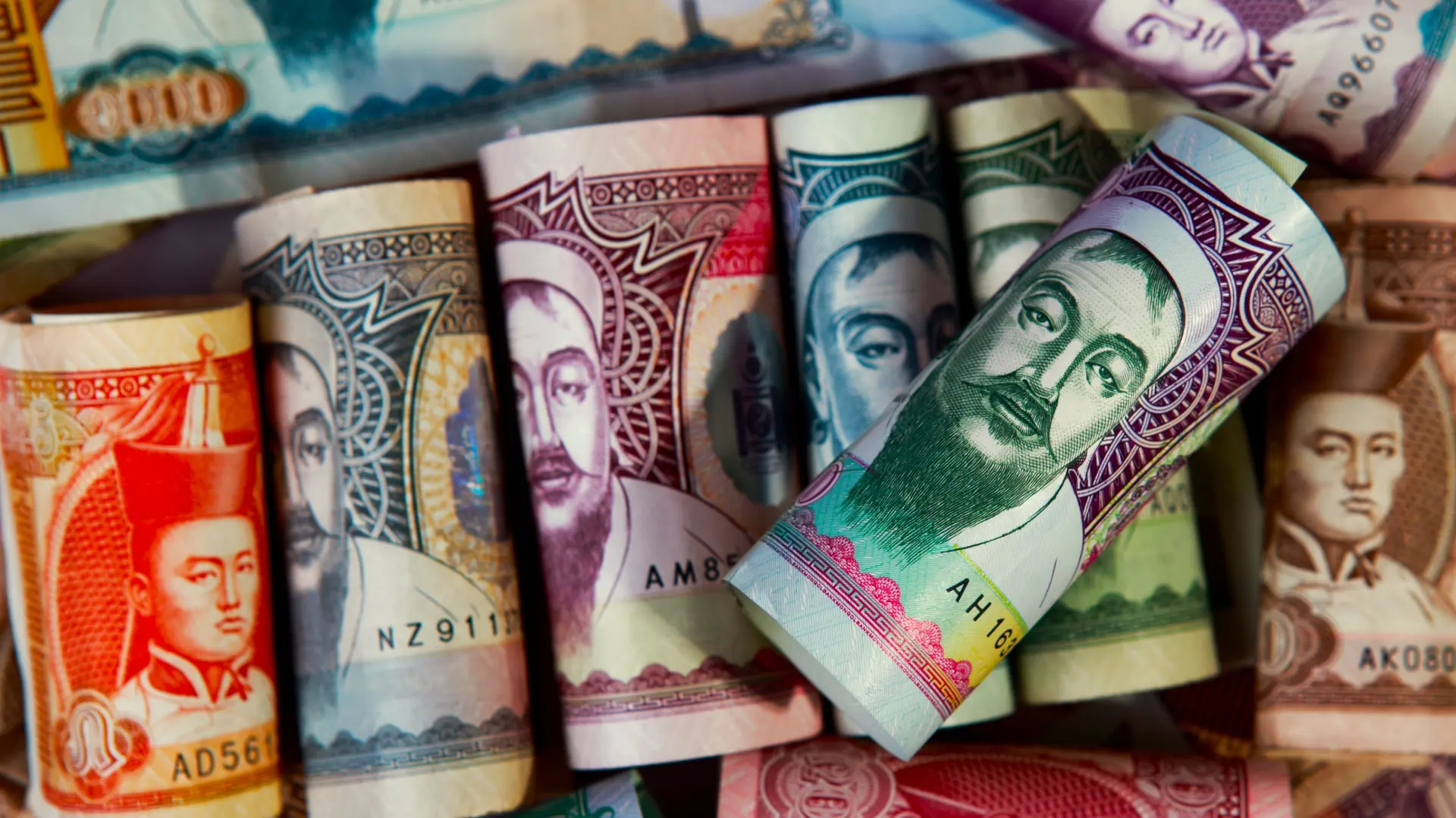
Money Budget
Mongolian tugrik, 1 euro is approximately 3,700 MNT, budget 120-180 euros/day on a tour, cards accepted mainly in Ulaanbaatar.
1 article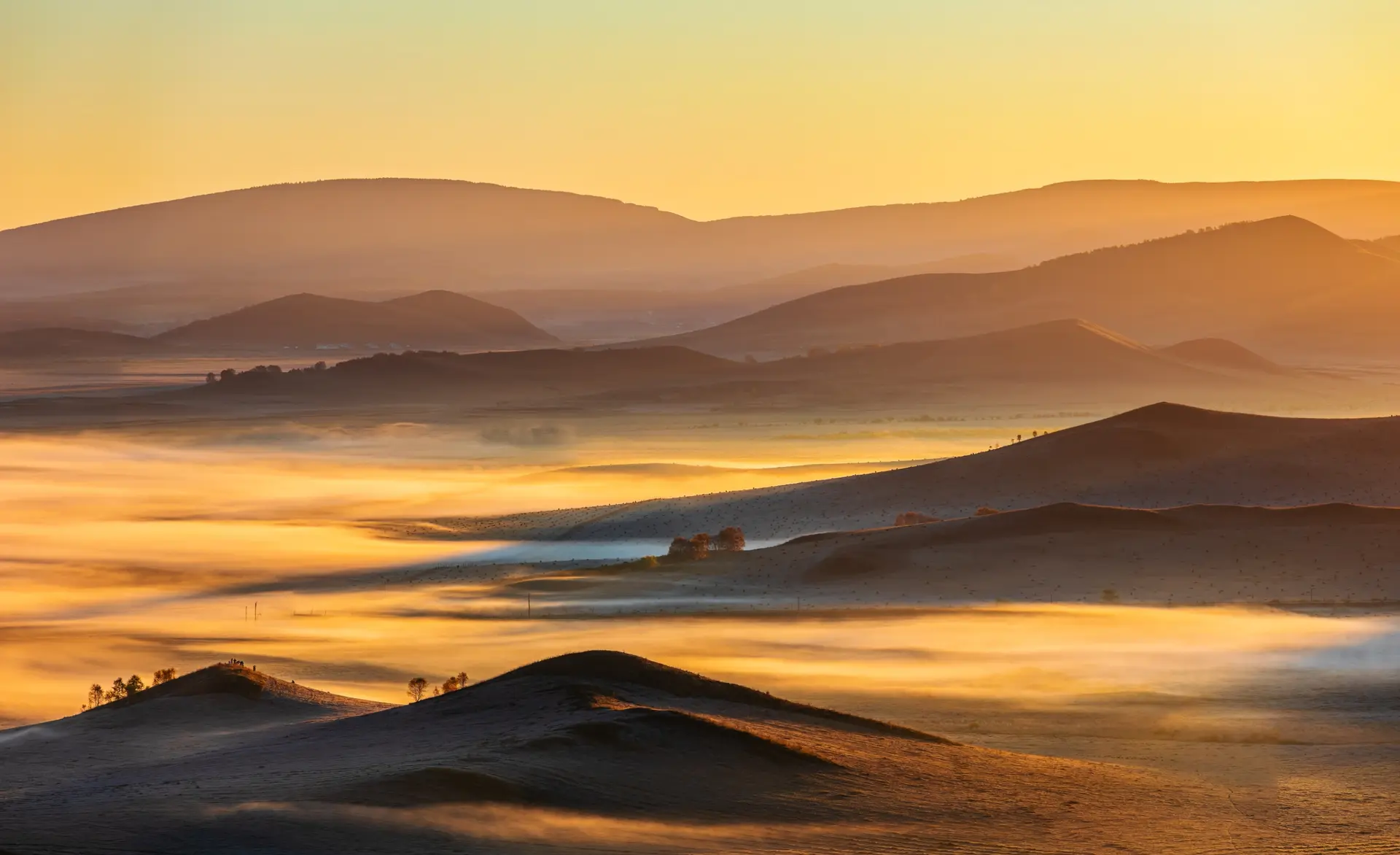
Climate Season
Short summer June-September, winters down to -40°C, scorching Gobi in July, Lake Khövsgöl frozen until May, extreme temperature variations.
2 articles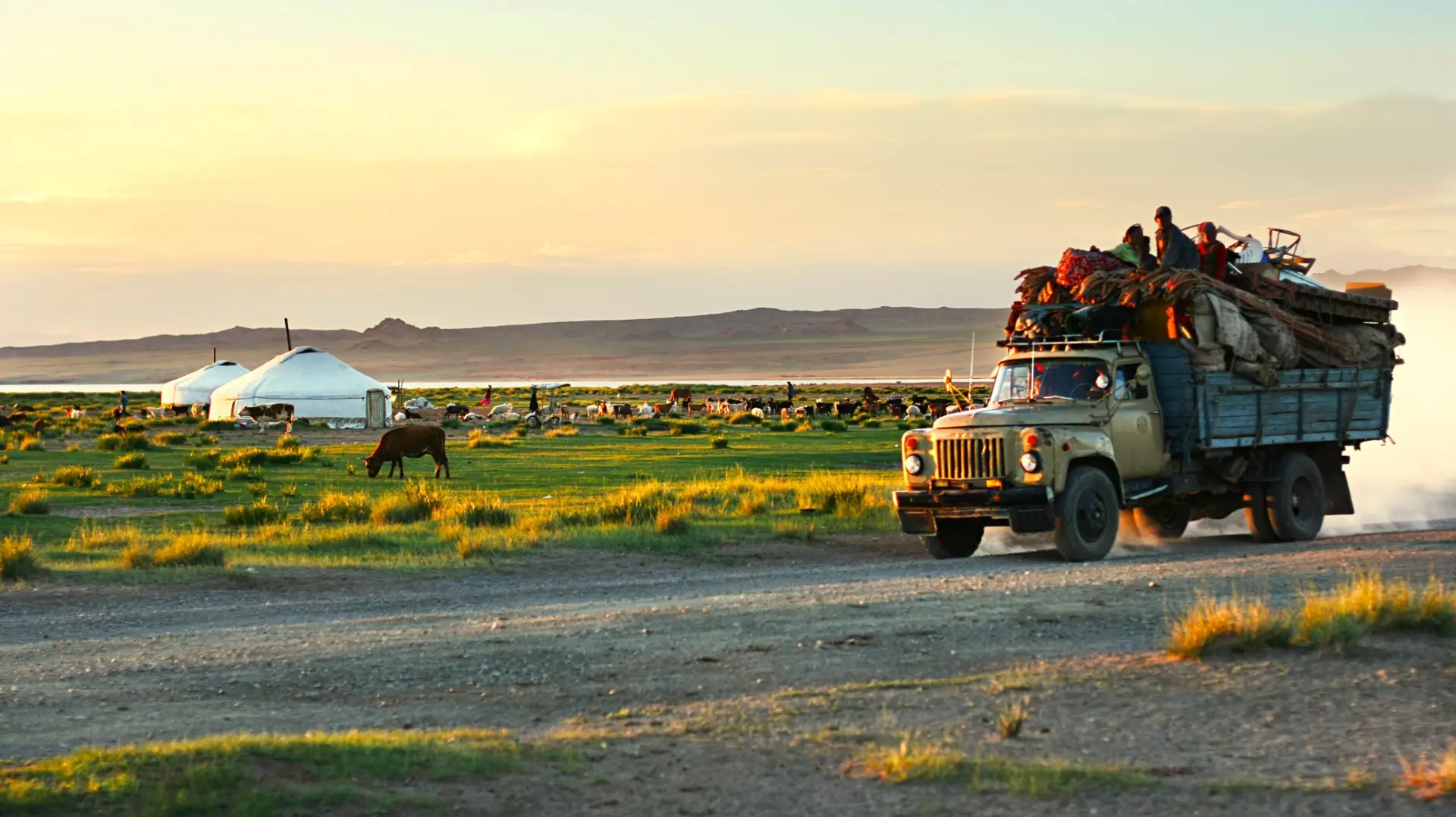
Transports
Domestic flights to Altai and Khövsgöl, Russian UAZ 4x4s on mountain tracks, limited paved roads outside main routes.
4 articles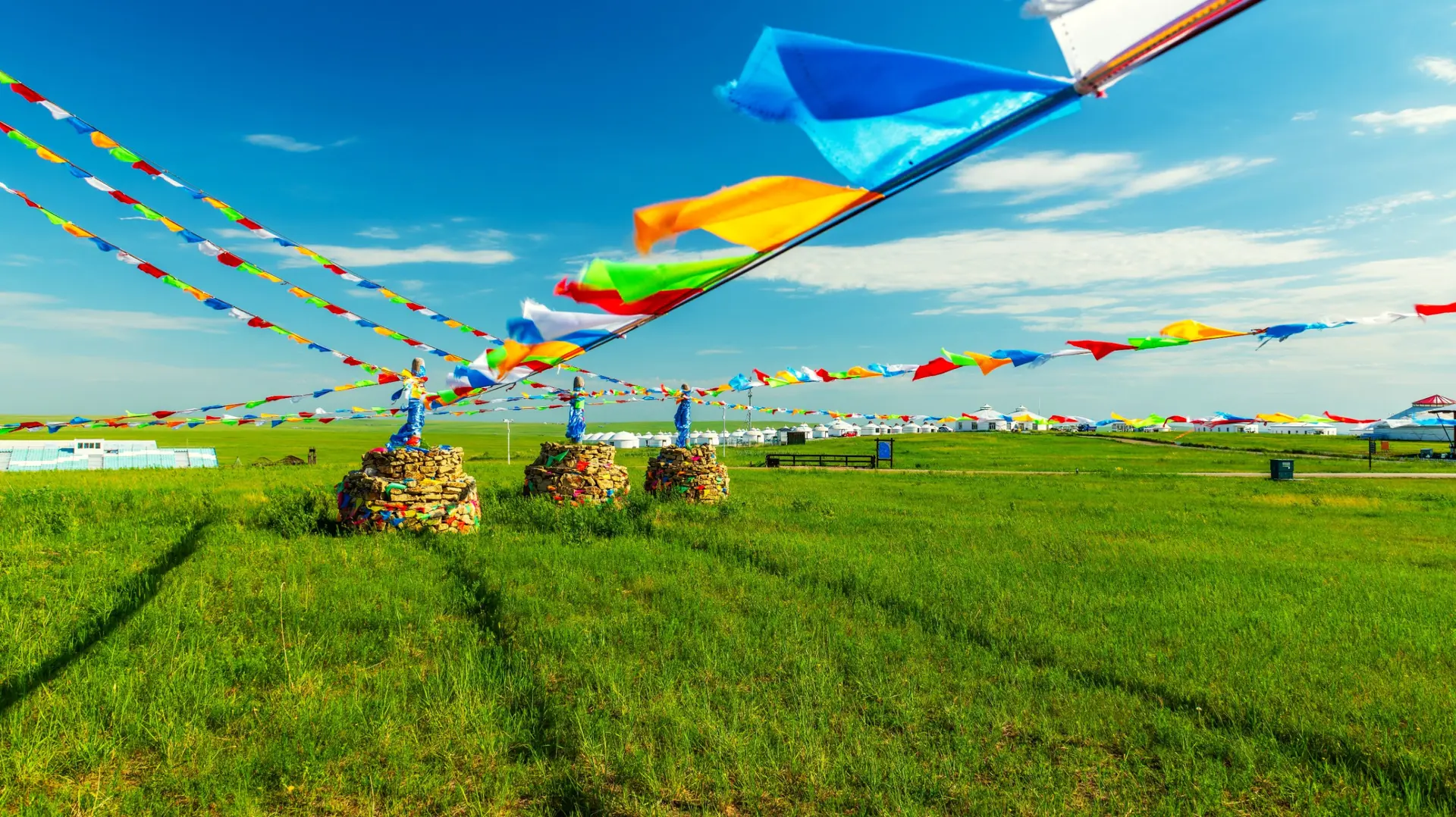
Culture
Yurt codes, nomadic hospitality, airag bowl, respect for Buddhist monasteries, greetings and gestures to know.
78 articles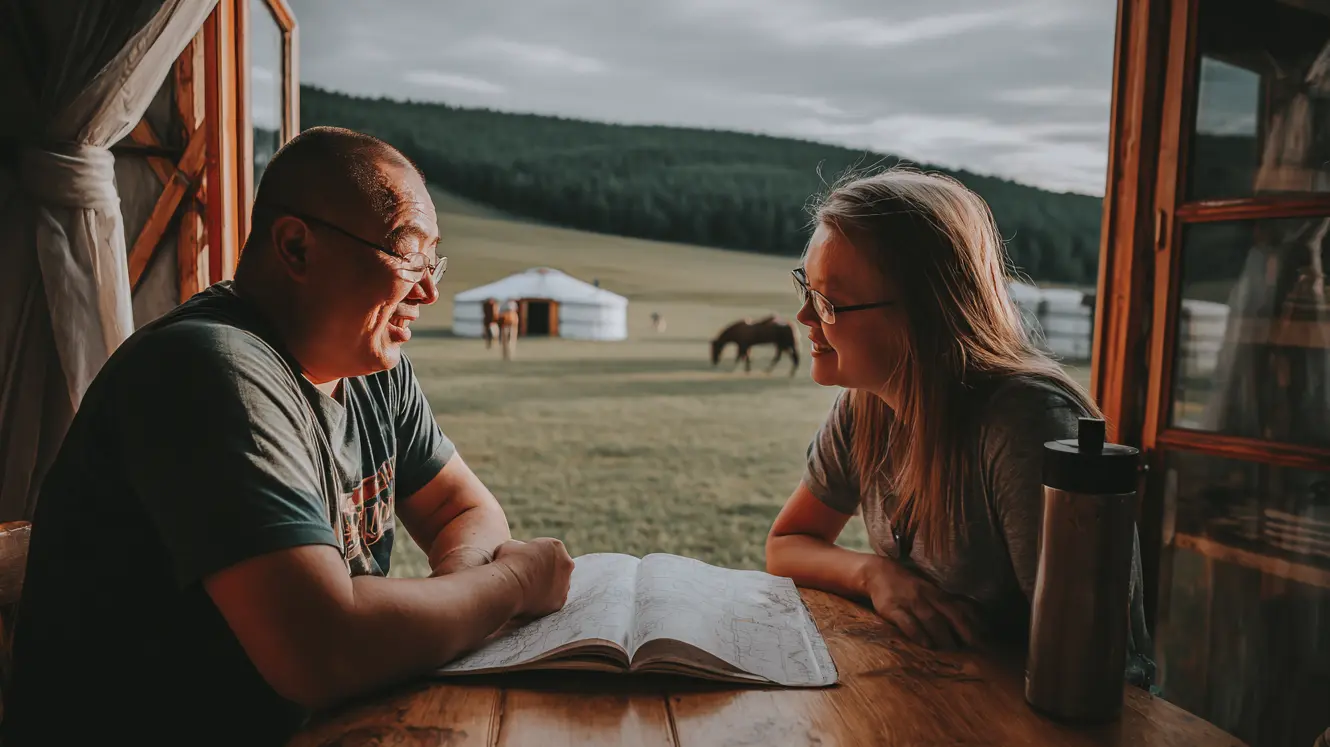
Helpful Tips
Safe country, bottled water, 220V electricity, decent mobile network in the steppe, health advice from our team in Ulaanbaatar.
10 articlesAll practical guides
Search and filter among 101 articles


18 of 101 results
Frequently asked questions
The answers to the most frequently asked questions from our travellers.
Visa requirements depend on your nationality and the purpose of your stay. You should verify the current conditions with the embassy or consulate of Mongolia in your country of residence, as well as with your own national authorities before traveling. Generally, entry to Mongolia requires a passport valid for at least six months beyond your return date and an outbound ticket. For stays exceeding 30 days, a tourist e-visa may be available through official channels; processing times and fees vary by nationality. If your itinerary includes Russia or China (such as the Transmongolian route), you will need to obtain the corresponding visas in advance.
No vaccine is mandatory to enter Mongolia. We recommend being up-to-date with DTP (diphtheria, tetanus, poliomyelitis), measles, and hepatitis A and B. For extended stays in rural areas or horseback trekking, tick-borne encephalitis and rabies can be discussed with your doctor. Malaria and dengue are absent from the territory. It is advisable to bring a kit for digestive disorders related to fermented dairy products (airag, aaruul) often shared in yurts. A consultation at an international vaccination center six weeks before departure remains the safest approach.
Budget between 120 and 180 euros per day and per person for an organized tour including accommodation in a ger with local families or in camps, meals, 4x4 vehicle with driver, guide, and park entrance fees. International flights are separate (approximately 700 to 1,200 euros depending on season). In Ulaanbaatar, a meal in a decent restaurant costs 8 to 15 euros, and a 3-star hotel room costs 50 to 80 euros per night. Domestic flights to Ölgii or Mörön range from 150 to 250 euros for a one-way ticket. Tipping is not mandatory but appreciated, around 5 to 10 euros per day for the driver and guide.
The main window runs from mid-June to mid-September, with temperatures between 18 and 28°C in the steppe, reaching up to 40°C in the Gobi in July. The Naadam festival on July 11 and 12 in Ulan Bator marks the year's cultural highlight. September offers magnificent autumn colors in the Khövsgöl forests and golden steppes, with fewer crowds. In early October, head to Ölgii for the Golden Eagle festival. From November to March, winter is harsh (-30 to -40°C) but offers unique experiences: nomads on the frozen Khövsgöl, ice festivals. April-May are best avoided (sandstorms, thaws).
Outside Ulan Bator, travel is conducted almost exclusively in Russian 4x4 UAZ Patriot or Toyota Land Cruiser vehicles, accompanied by an experienced driver. The paved road network is limited to a few major routes, with the remainder consisting of sometimes challenging tracks. Plan for 200 to 400 km per day depending on the region, which represents 6 to 9 hours of actual driving. For remote regions (Altai in the west, Khövsgöl in the north), we often combine a domestic flight (1.5 to 3 hours) with Hunnu Air or Aero Mongolia to save two to three days of track travel. The Trans-Mongolian railway remains an option between Ulan Bator and the Russian or Chinese border.
Mongolia is considered one of the safest destinations in Asia. There are no major political tensions, no areas to avoid, and low crime rates outside of occasional pickpocketing in central Ulan Bator (particularly around Naran Tuul market). The main risks are environmental: vehicle breakdowns or medical emergencies in remote areas, significant temperature fluctuations, and water quality issues outside urban zones. All vehicles are systematically equipped with spare parts, satellite GPS, and first aid kits. Guides are trained to handle isolated situations. Drink only bottled or boiled water. Travel insurance including medical evacuation is strongly recommended.
Ready to travel to Mongolia?
Discover our tailor-made itineraries, designed by our local team. Each route adapts to your pace, your preferences and your travel season.
See our toursWe use cookies to improve your experience and measure our site's audience. You can choose what you accept. Learn more.