Bogd River
Bogd River
The Bogd River, or Bogdiin Gol, originates in the foothills of the Bogd Khan Uul massif, south of Ulaanbaatar.
The Bogd River, or Bogdiin Gol, originates in the foothills of the Bogd Khan Uul massif, south of Ulaanbaatar. It flows through the buffer zone of the nature reserve before joining the urban valley. This waterway is inseparable from Bogd Khan National Park, one of the world's oldest protected areas, and forms a natural breathing space at the gates of Mongolia's capital.
Practical information at a glance
Access: from central Ulaanbaatar, the area is accessible by car heading south toward Bogd Khan Uul.
Entrance: access to the Bogd Khan Uul reserve is subject to an entry fee; contact your local English-speaking agency for current rates.
Attire: no specific dress code required; bring footwear suitable for natural terrain.
Recommended duration: a half-day is sufficient for a stroll along the river; a full day if you combine it with hiking on Bogd Khan Uul.
What to see
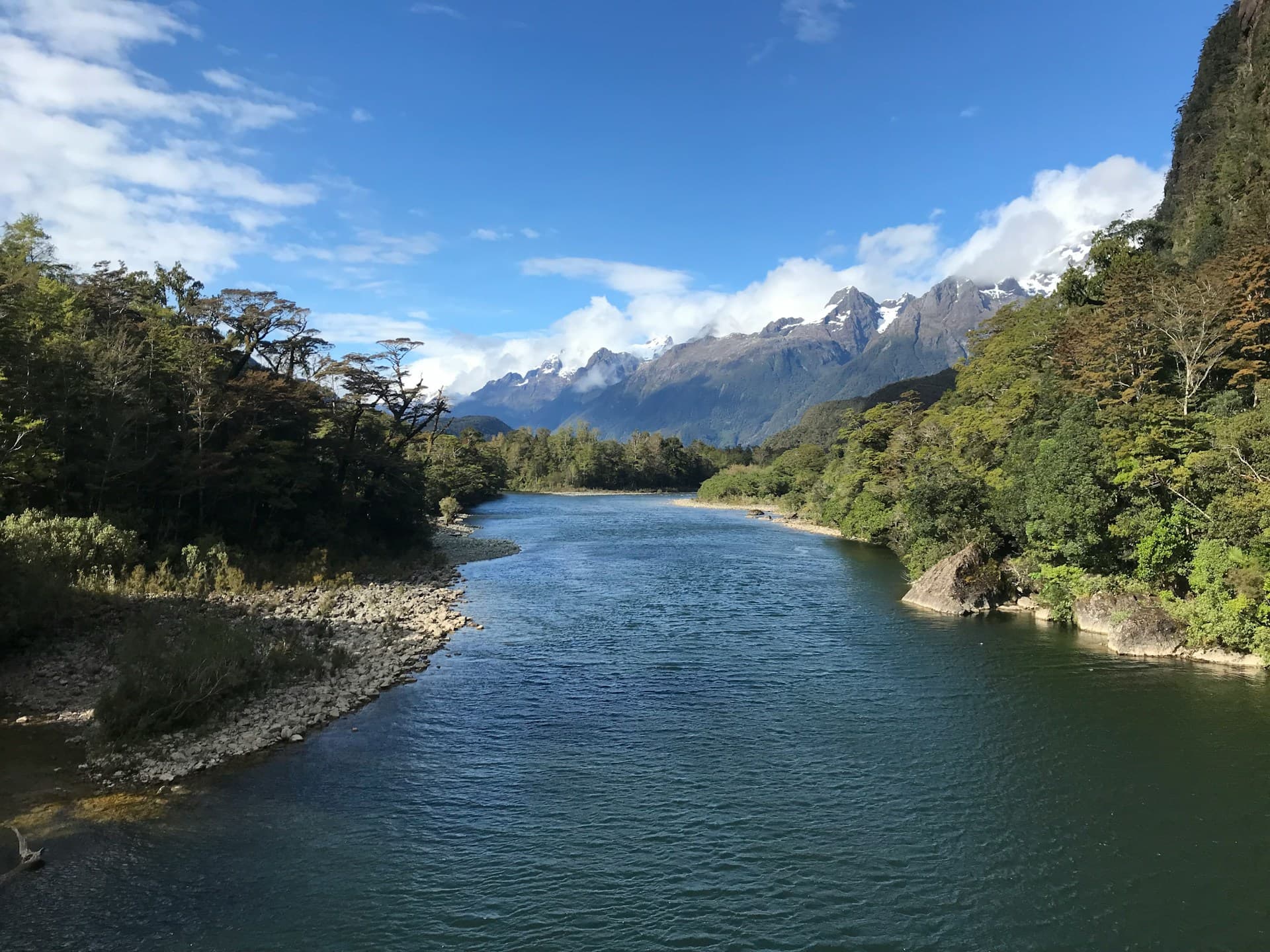
The Bogd River flows through a wooded corridor of birches and Siberian pines, rare in a country dominated by steppe. In summer, verdant banks welcome Ulaanbaatar families out for picnics. In autumn, the foliage turns gold. Local wildlife includes waterfowl, foxes, and occasionally red deer descending from the massif.
History and context
Bogd Khan Uul has been protected since 1778, making it one of the world's first officially designated nature reserves. The Bogd River is its principal hydrological artery. The massif was considered sacred by Mongols, with hunting and logging prohibited long before the reserve's formal creation. This spiritual dimension persists: ovoos (ritual cairns) dot the surrounding heights.
Highlights of a visit
The riparian forest
Along the banks, dense vegetation contrasts with the open landscapes of the Mongolian steppe. This micro-ecosystem harbors notable biodiversity for the region. Strolling along unmarked trails beside the watercourse remains the site's core experience.
The Bogd Khan Uul massif as backdrop
The river originates in this massif, which peaks at over 2,250 meters. From the banks, views of the wooded slopes create a striking setting, especially in late afternoon when angled light illuminates the ridges.
Combining with Manzushir Monastery
Manzushir Monastery, located in the neighboring valley of Bogd Khan Uul, is a natural complement to a day spent on the Bogd River. Both sites share the same protected natural setting.
Photography tips
Morning light filtering through birches is ideal for capturing reflections on the water. In autumn (September–October), warm foliage colors offer the most photogenic contrasts. Avoid midday in summer: light is harsh and the banks are crowded.
Location and access
The Bogd River lies on Ulaanbaatar's southern edge, at the boundary of the Bogd Khan Uul nature reserve. By car from downtown, access takes approximately 30 to 45 minutes depending on traffic. There is no direct public transport to the banks; a taxi or hired vehicle with driver remains the most practical solution. Accessibility for mobility-impaired visitors is limited due to the unmanicured natural terrain.
Nearby
Manzushir Monastery — ruins of a major 17th-century Buddhist complex nestled in the Bogd Khan Uul valley.
Bogd Khan Uul Nature Reserve — sacred massif offering hiking and diverse wildlife at the capital's doorstep.
Bogd Khan Winter Palace — residence of Mongolia's last theocratic sovereign, now a museum, south of Ulaanbaatar.
Zaisan Memorial — Soviet monument on a hilltop overlooking Ulaanbaatar and Bogd Khan Uul.
Frequently asked questions
Frequently asked questions
Summer (June–August) guarantees verdant banks and easy access. Autumn (September–October) offers the most spectacular colors. In winter, the river freezes and the site is rarely visited but accessible in clear weather.
The river is shallow with moderate current. However, it lies within a protected nature reserve; check local regulations with authorities before engaging in any water activities.
A full day allows for visiting the Bogd River in the morning, then Manzushir Monastery in the afternoon. The Bogd Khan Winter Palace and Zaisan Memorial can be added easily in an additional half-day.
Trails are not formally marked. Natural paths run along the banks and allow for an easy stroll. A local guide is recommended for venturing further into the massif.
Yes, flat banks and the riparian forest work well for families. Bring closed-toe shoes and supervise children near the water, especially during spring snowmelt.
Interested in this visit?
We can include it in your personalised itinerary.