Complete Mongolia Guide
Our team based in Ulaanbaatar has been exploring Mongolia for years, from the Gobi Desert to the Khövsgöl forests. The country covers 1.5 million km² with 3.3 million inhabitants, making it one of the world's least densely populated territories. In practice, you'll sometimes drive 200 km without spotting a village—just herds of horses and a few scattered gers across the steppe.
Four regions structure most of our itineraries. The Gobi in the south, with the red cliffs of Bayanzag and the singing dunes of Khongoryn Els. The Orkhon Valley in the center, once the heart of Genghis Khan's empire, where the ruins of Karakorum still stand. Lake Khövsgöl in the north, nicknamed the blue pearl, at 1,645 m altitude, with drinking water directly from the shore. The Altai in the west, homeland of Kazakh eagle hunters, with peaks over 4,000 m.
Two defining features mark any journey here: staying with a local family in a traditional ger, and the vast distances that impose a slow pace, often in a Russian 4x4 across remote tracks. If you have 12 to 15 days, combine the Gobi and Orkhon. Beyond that, add Khövsgöl or the Altai depending on your tolerance for long driving days.
The regions of Mongolia
Each region has its own personality: climate, landscapes, pace of life and ways of traveling. Our local team helps you choose the combination that suits you.
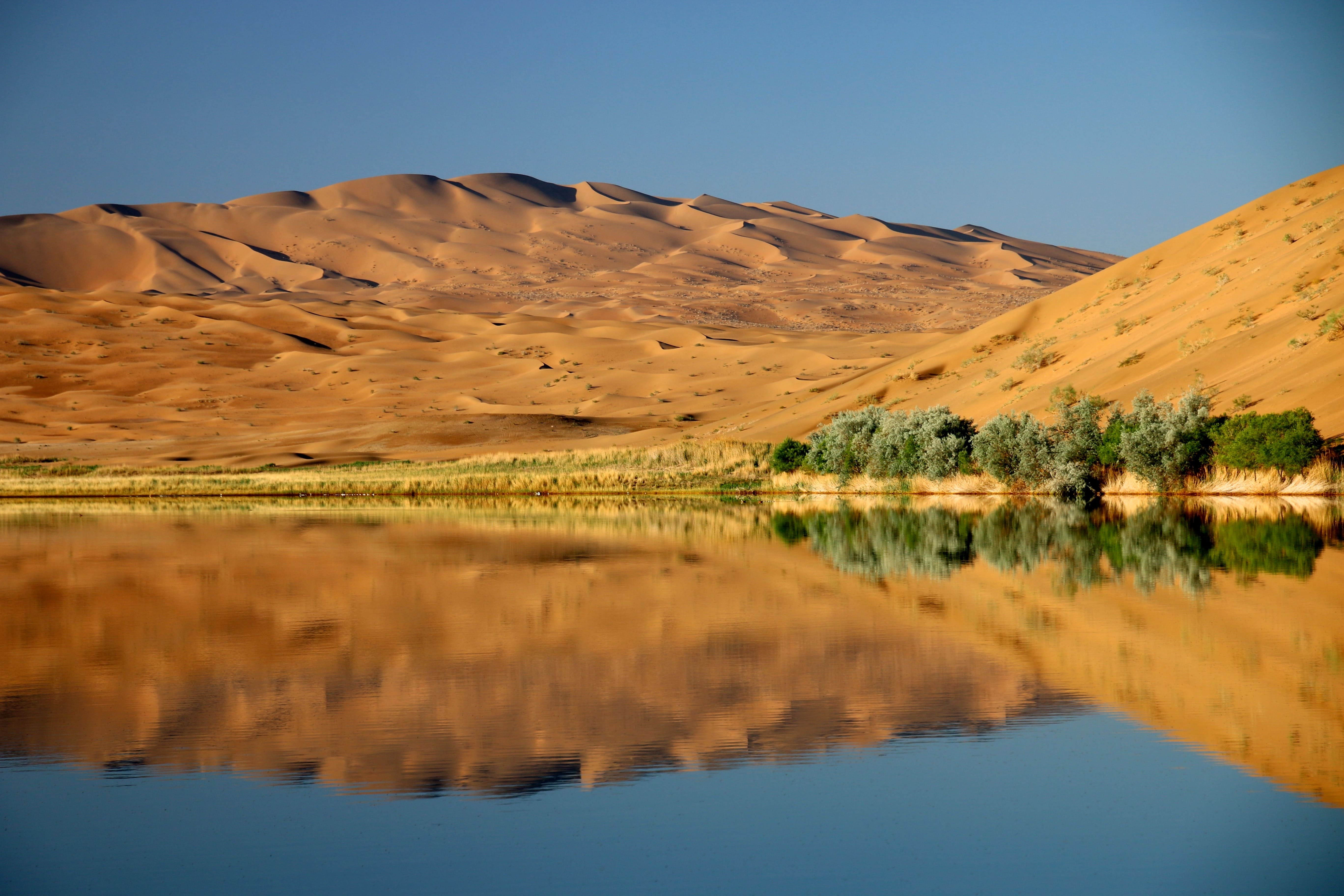
Gobi Desert
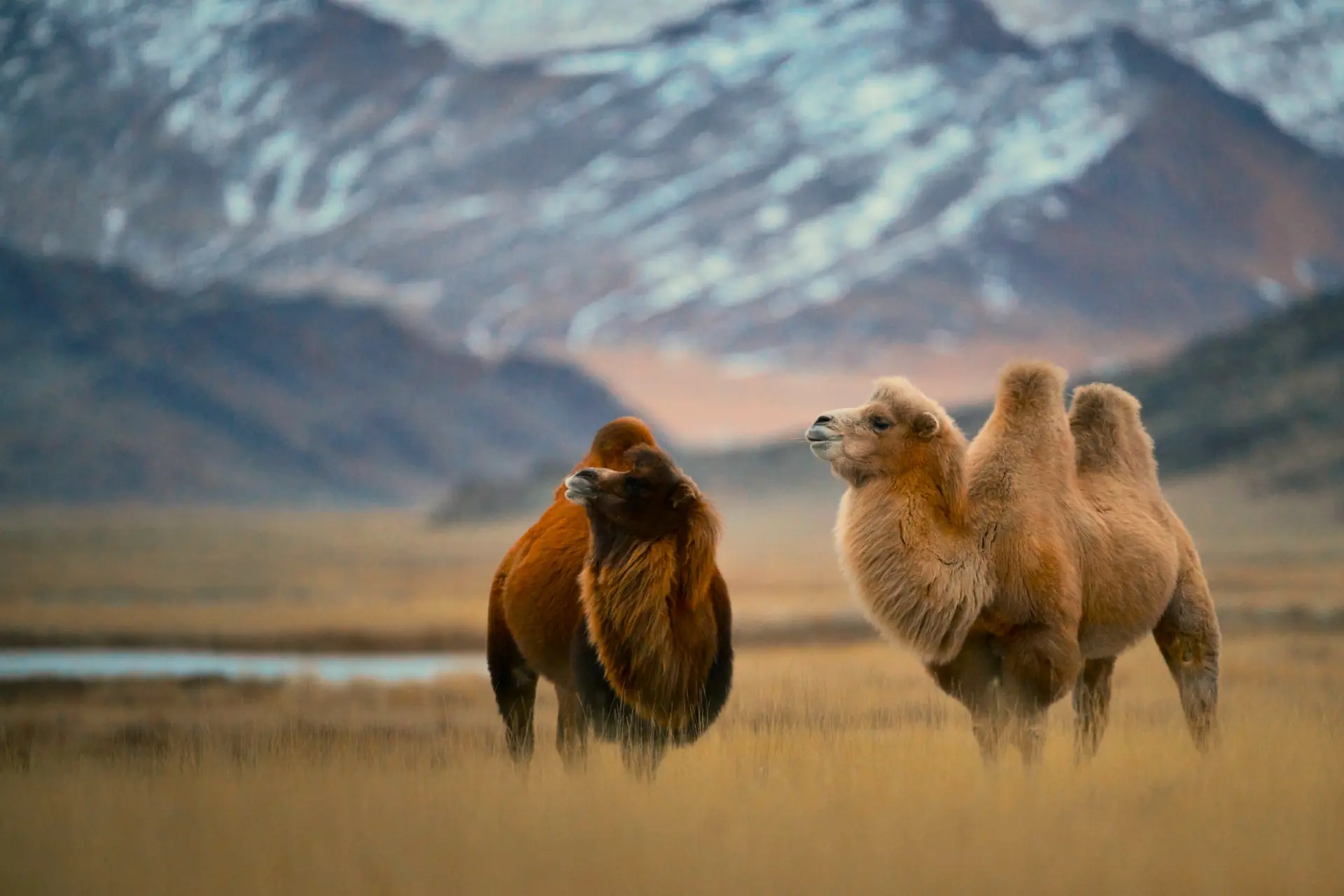
The Gobi is far more than a sea of sand: 95% of the territory is actually a semi-arid steppe dotted with rocky massifs. From Dalanzadgad, allow two days of driving to reach the dunes of Khongoryn Els, which rise 200 m high, where you can ride Bactrian camels at sunset. The cliffs of Bayanzag, where Roy Chapman Andrews uncovered the first dinosaur eggs in 1923, turn orange-red in the late afternoon. Prepare for extreme temperatures: up to 40°C in July, below freezing at night from September onwards. Nights spent in ger camps with Cashmere goat herding families.
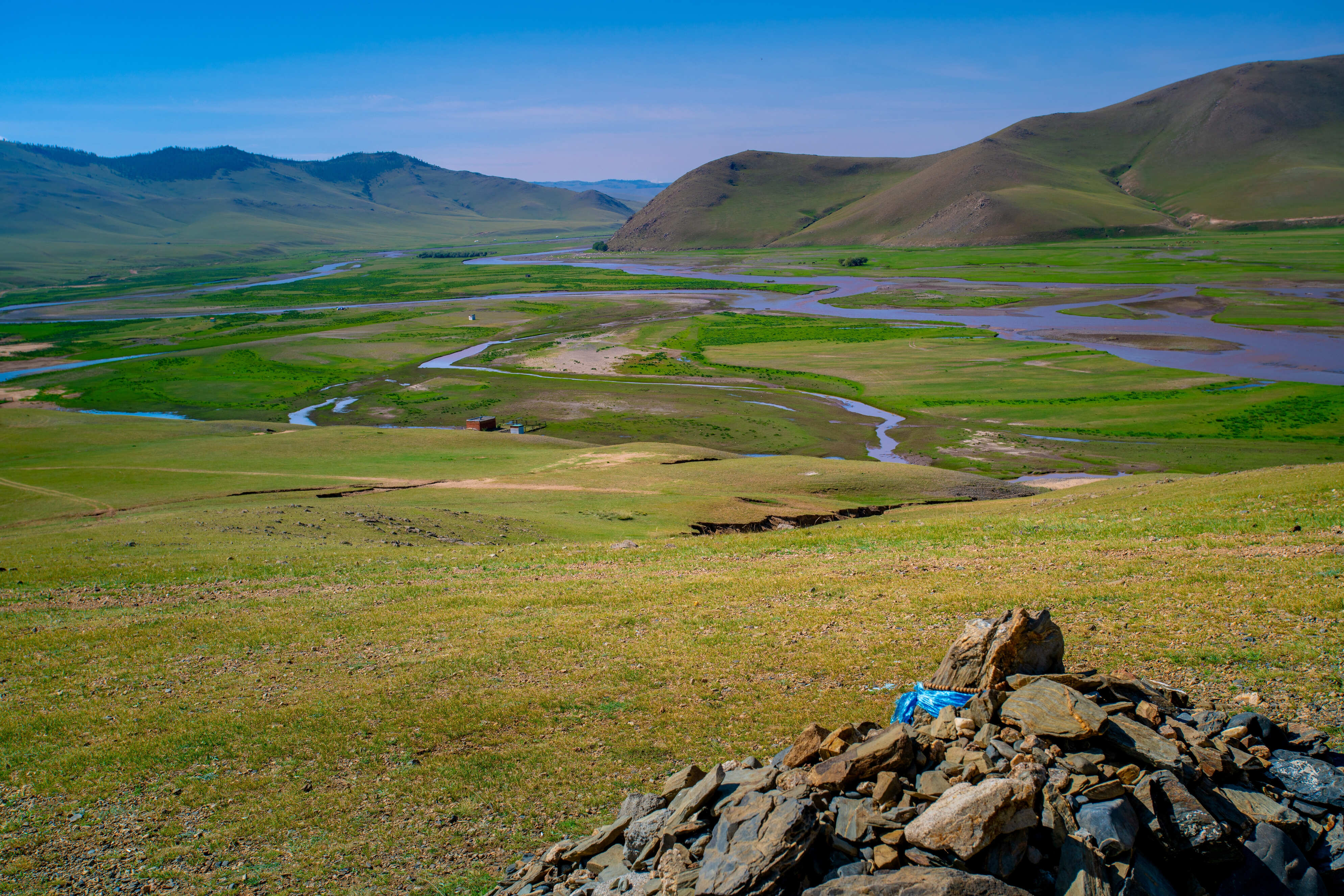
Orkhon Valley
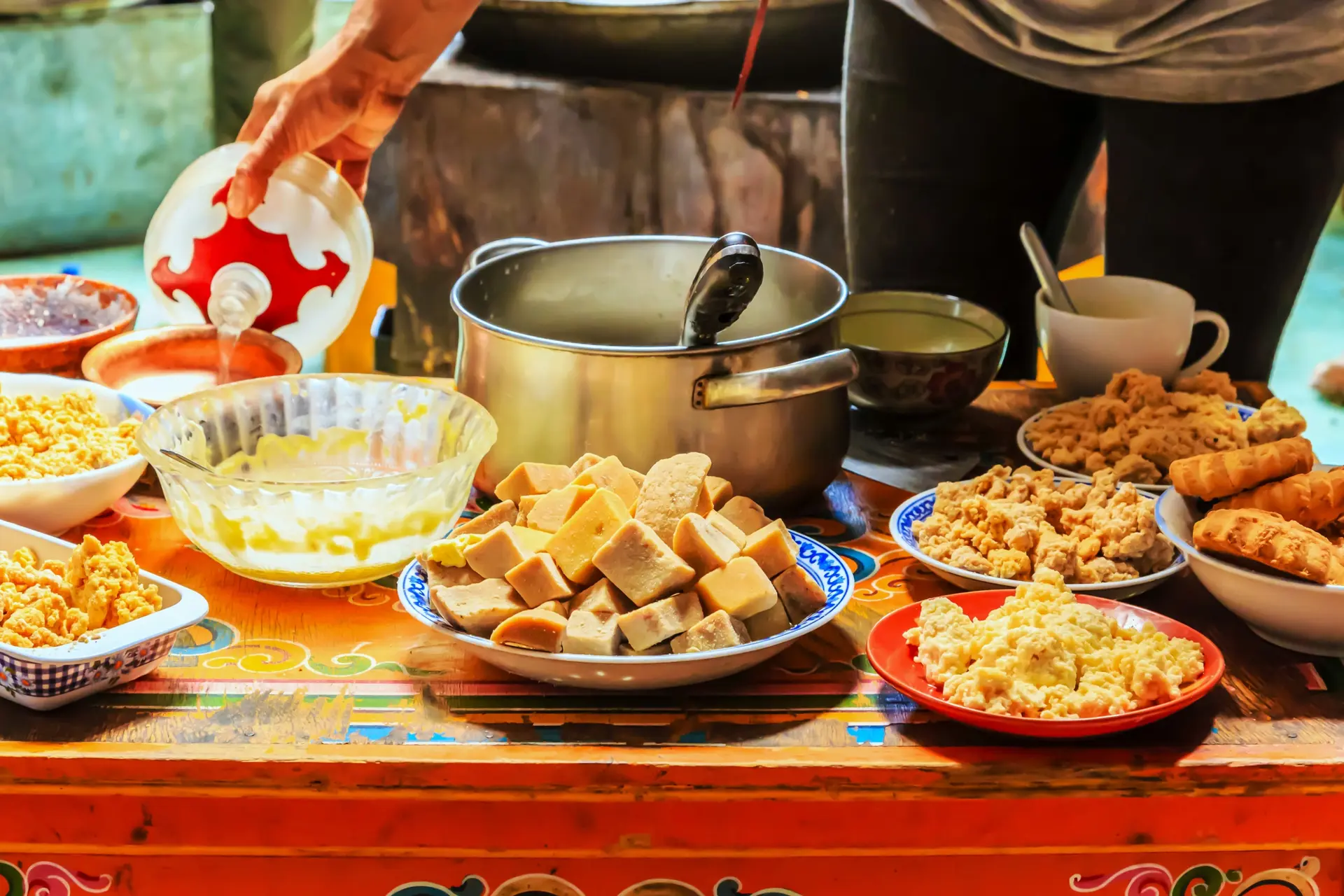
A UNESCO World Heritage site, the Orkhon Valley witnessed the birth of the Mongol Empire in the 13th century. The ruins of Karakorum, the former capital of Genghis Khan, gave way to Erdene Zuu Monastery, founded in 1586 and surrounded by 108 white stupas. Further south, the Ulaan Tsutgalan waterfalls plunge 24 m into a basalt gorge. The region is also the heart of horse breeding: visitors taste airag, fermented mare's milk, served in bowls in every ger. Average altitude 1,500 m, mild summers around 22°C, ideal for multi-day horseback treks between nomadic camps.
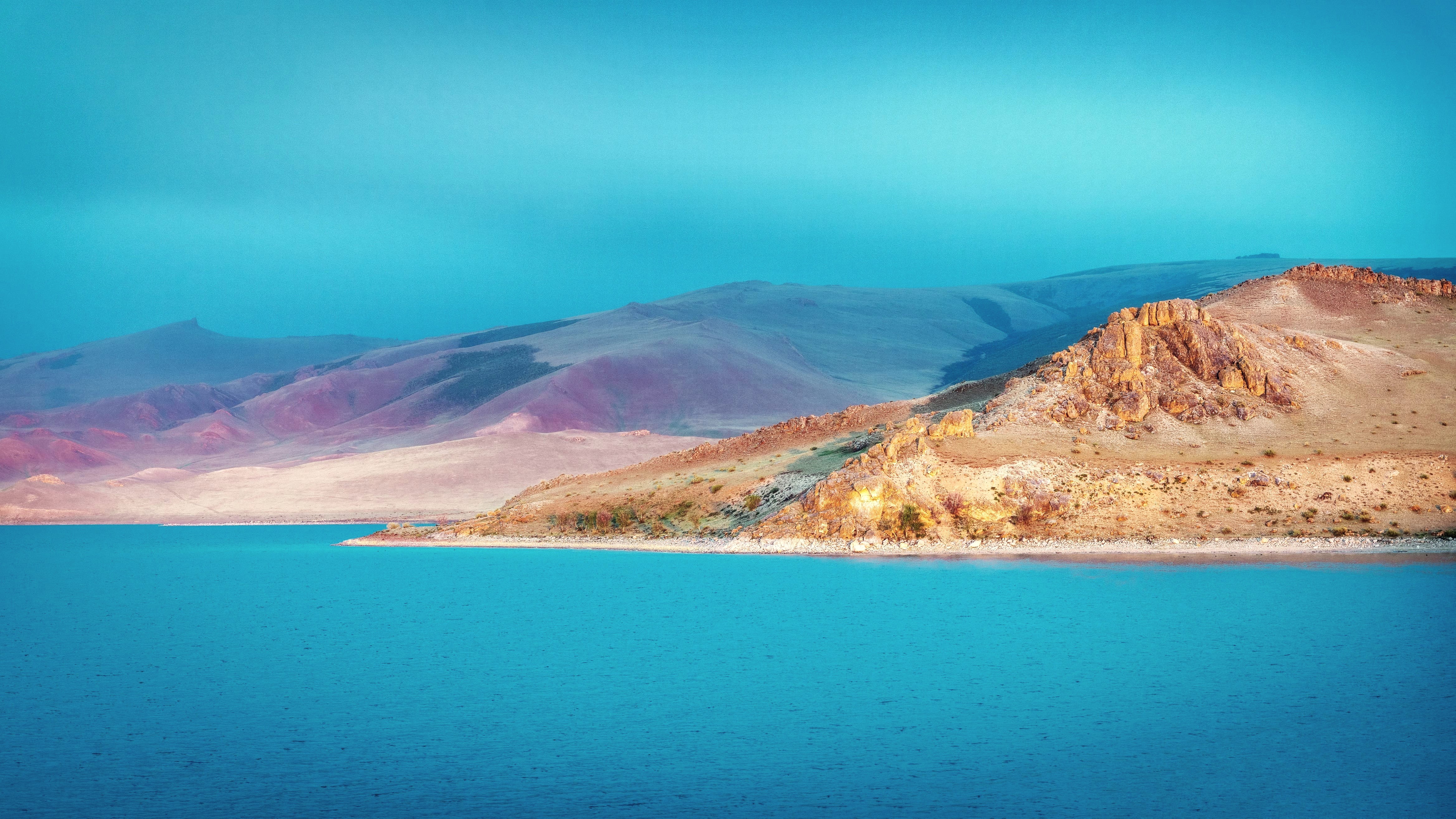
Khövsgöl Lake
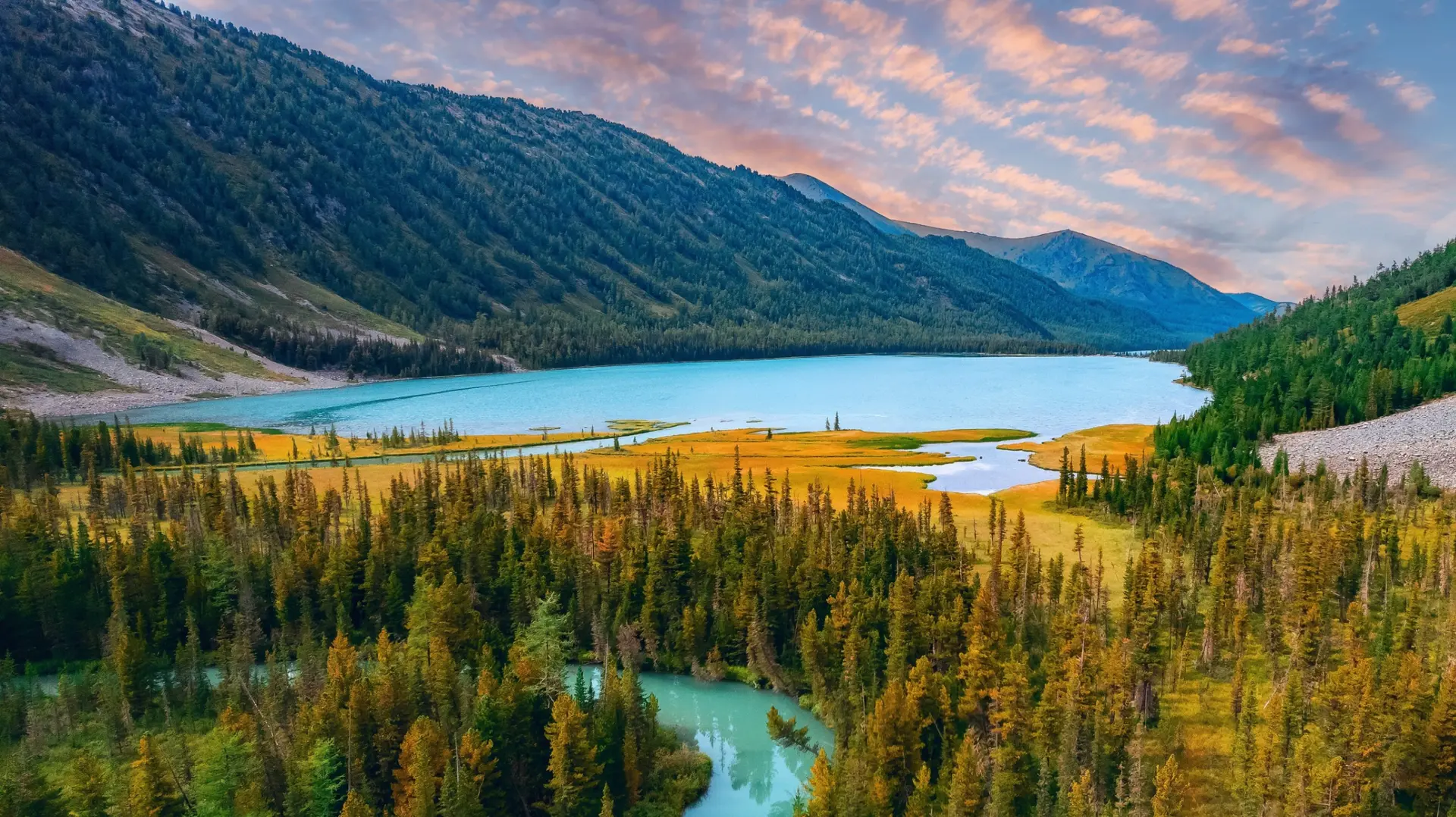
At 1,645 m altitude, Khövsgöl stretches 136 km along the Siberian border. Crystal-clear water drinkable directly, maximum depth 267 m, frozen from January to May. The east shore is covered with larch and pine forests, a landscape that contrasts sharply with the southern steppes. This is where the Tsaatans live, a reindeer herding people, in the taiga northwest of the lake. Reaching their camp takes two to three days on horseback from Tsagaannuur. Short useful season: June to early September. In July, the local Naadam festival brings together wrestling, archery and horse racing.
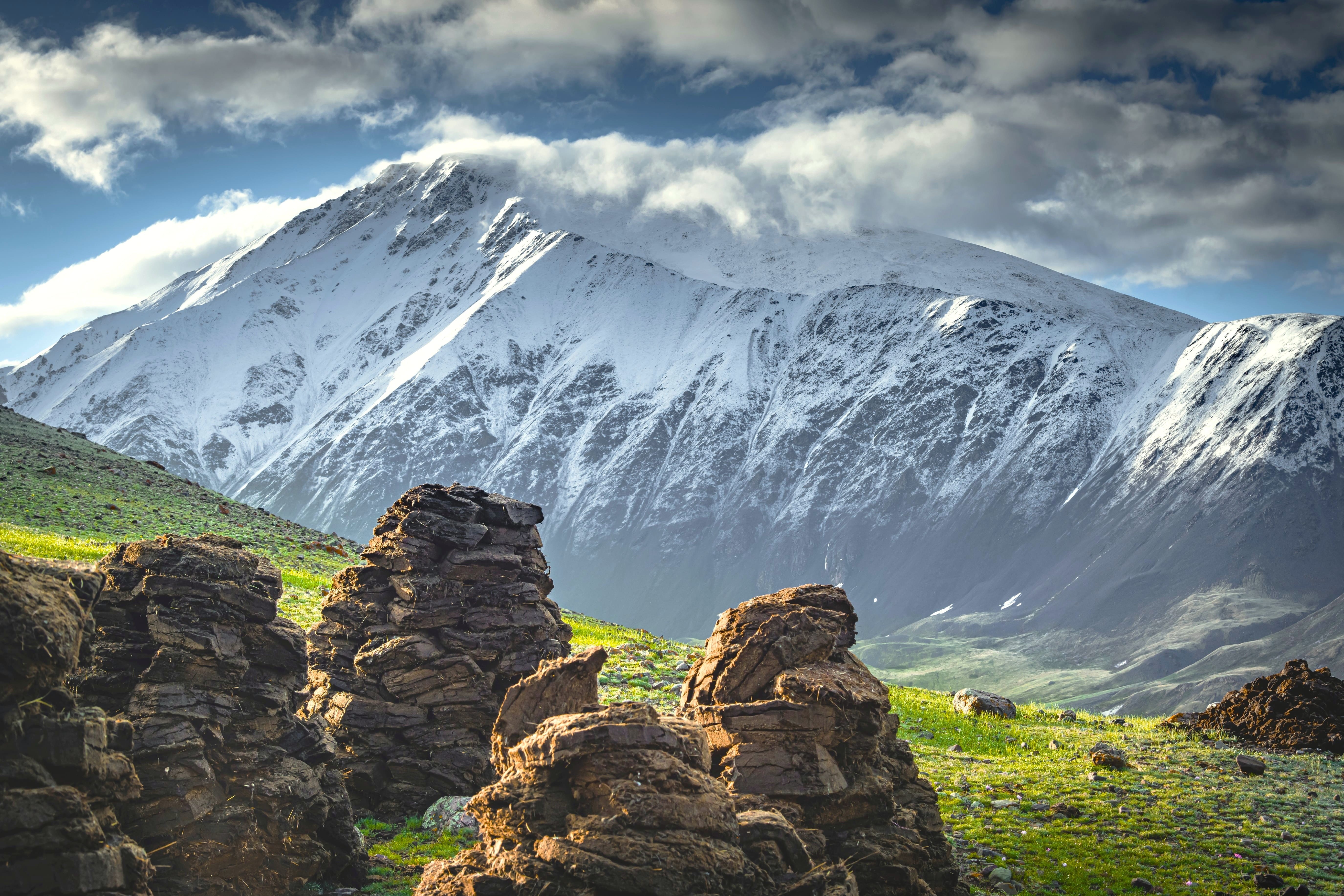
Altai Mongolia
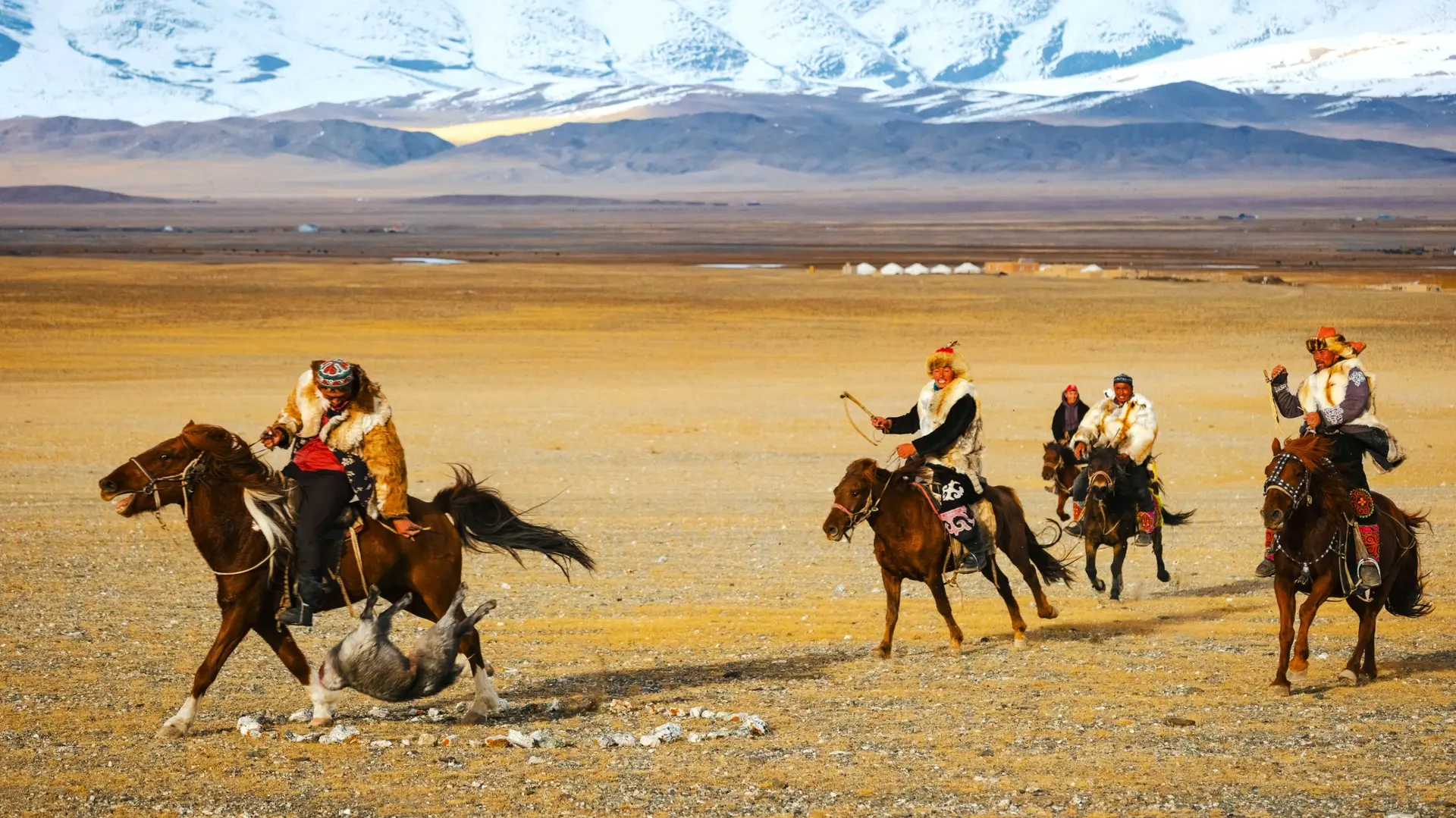
At the far west, the Altai peaks at 4,374 m at Khüiten and harbors the country's last glaciers. The region is predominantly inhabited by Muslim Kazakhs, of whom around 250 families still practice golden eagle hunting. The Golden Eagle Festival in Ölgii in early October brings together these berkutchis from across the province. Access from Ulan Bator by domestic flight (3 hours) to Ölgii, then 4x4. Tavan Bogd National Park offers treks of 4 to 7 days to the foot of the Potanin glaciers. Expect nights in tents, cool temperatures even in August (5 to 15°C), with snow possible from September onwards.
Central Steppe and Ulaanbaatar
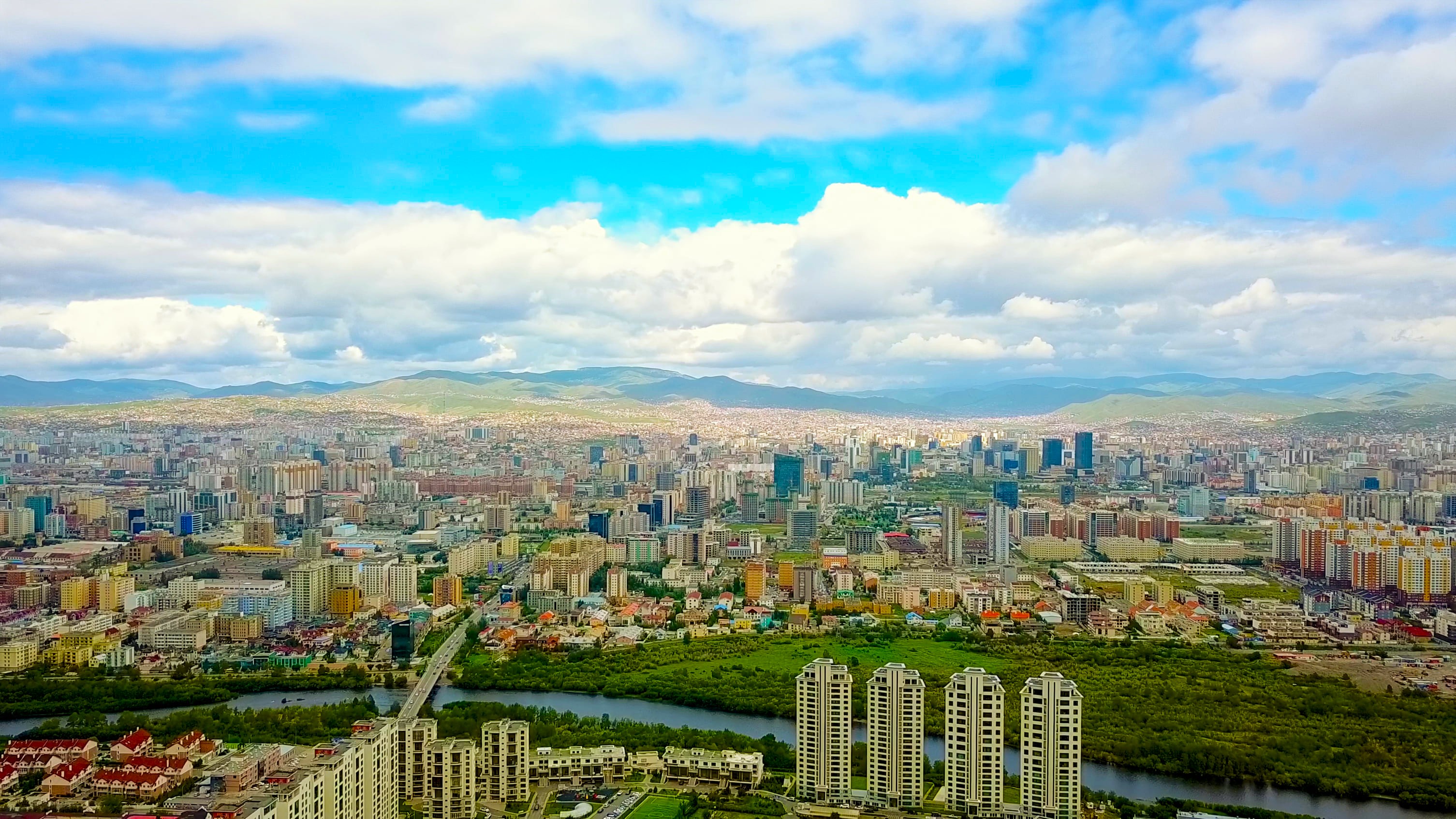
Ulan Bator concentrates 1.5 million inhabitants, nearly half the country's population. Our agency is based there, near the active Gandan Monastery. The National Museum and Zaisan Memorial provide essential insights into Mongolian history before setting off on your circuit. About 1.5 hours east by road, Gorkhi-Terelj National Park alternates between forests, granite rock formations, and yurts open to visitors. The equestrian statue of Genghis Khan, 40 meters high in stainless steel, can be visited along the way. A practical stop to acclimatize, manage logistics, and enjoy more varied cuisine before the long stages in remote regions.
Explore by theme
Unique experiences tailored to every traveler.
We use cookies to improve your experience and measure our site's audience. You can choose what you accept. Learn more.