Khagiin Tuul River
The Khagiin Tuul River winds through pristine valleys in Töv region, between birch forests and steppe meadows. Ideal for fishing, hiking, and immersion in Mongolian nomadic life.
The Khagiin Tuul River flows through Töv region in central Mongolia, not far from Gorkhi-Terelj National Park. A tributary of the larger Tuul river system, it winds through deep valleys lined with birch forests and steppe meadows. This waterway attracts travelers seeking unspoiled nature, trout fishing, and hiking away from conventional tourist circuits.
What to See
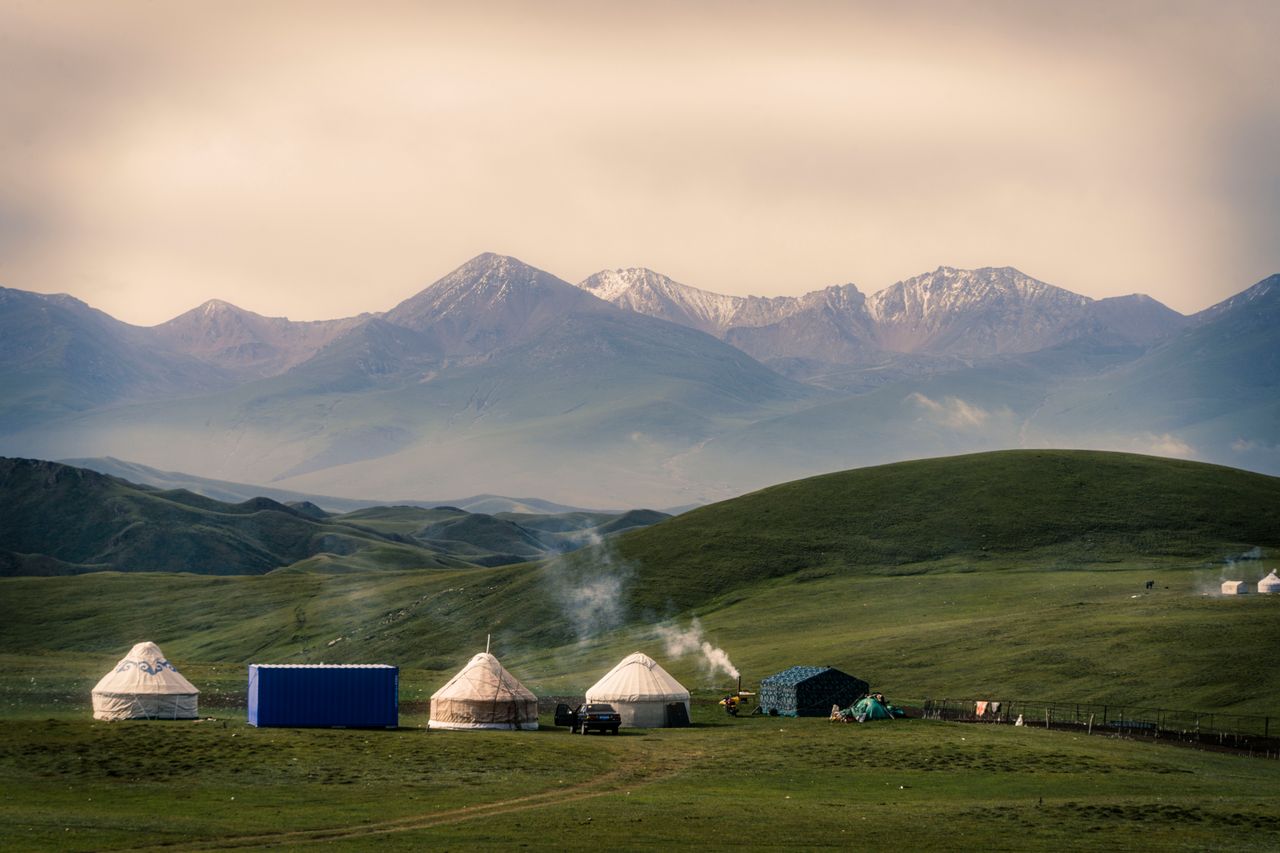
The landscape alternates between grassy banks, rocky rapids, and calm meanders. The riverbanks host diverse wildlife: cranes, wild ducks, and seasonal traces of foxes or wolves. Nomadic gers dot the surrounding valleys, offering a glimpse into Mongolian pastoral life.
History and Context
The Tuul River and its tributaries hold a central place in Mongolian sacred geography. The main river is mentioned in medieval chronicles linked to Genghis Khan's empire. The surrounding valleys long served as summer pastures for nomadic herders in the Töv region, a tradition that endures today.
Highlights of a Visit
Trout Fishing
The river is renowned for its trout populations. Fishing is practiced under strict conservation rules; a permit is required. The favourable season runs from spring through autumn.
Valley Hiking
Trails follow the riverbanks and lead to viewpoints overlooking the wooded hills beyond. No official trail markings exist: a local guide is strongly advised.
Ger Camp Stay
Several tourist camps operate nearby during summer. Sleeping in a ger beside the river constitutes the central experience of a stay in this area.
Photography Tips
Morning light, low across the meanders, offers the best conditions. Birch reflections in the water are particularly photogenic in autumn when foliage turns golden. No known photography restrictions apply at this natural site.
Location and Access
The Khagiin Tuul River lies in Töv region, east of Ulaanbaatar. Access is by 4x4 vehicle, essential on unpaved tracks. No regular public transport serves the area. Most travelers depart from Ulaanbaatar with a driver-guide. Wheelchair accessibility is very limited due to the natural terrain.
Nearby Attractions
- Gorkhi-Terelj National Park — the most accessible park from the capital, with its iconic rock formations and ger camps.
- Turtle Rock (Terelj) — natural granite formation shaped like a turtle, symbol of Terelj Park.
- Gunjiin Sum Monastery — ruins of an 18th-century monastery set within the forest of Terelj region.
Frequently asked questions
June to September offers mild temperatures and passable tracks. Spring (May) can be muddy after snowmelt. Winter makes access extremely difficult with extreme temperatures.
Yes, fishing in Mongolia is regulated and requires a permit. Your local agency or guide can help you obtain one before departure.
Yes, both sites are close geographically and combine naturally over a two- to three-day circuit from Ulaanbaatar.
Highly recommended. Tracks are unmarked, and a guide knows which passages are passable by season and which ger camps are available.
Waterproof hiking boots are essential. Pack warm layers even in summer: nights at altitude can be cool, and weather changes rapidly on the steppe.
Interested in this visit?
We can include it in your personalised itinerary.