Mungunmorit
Mungunmorit
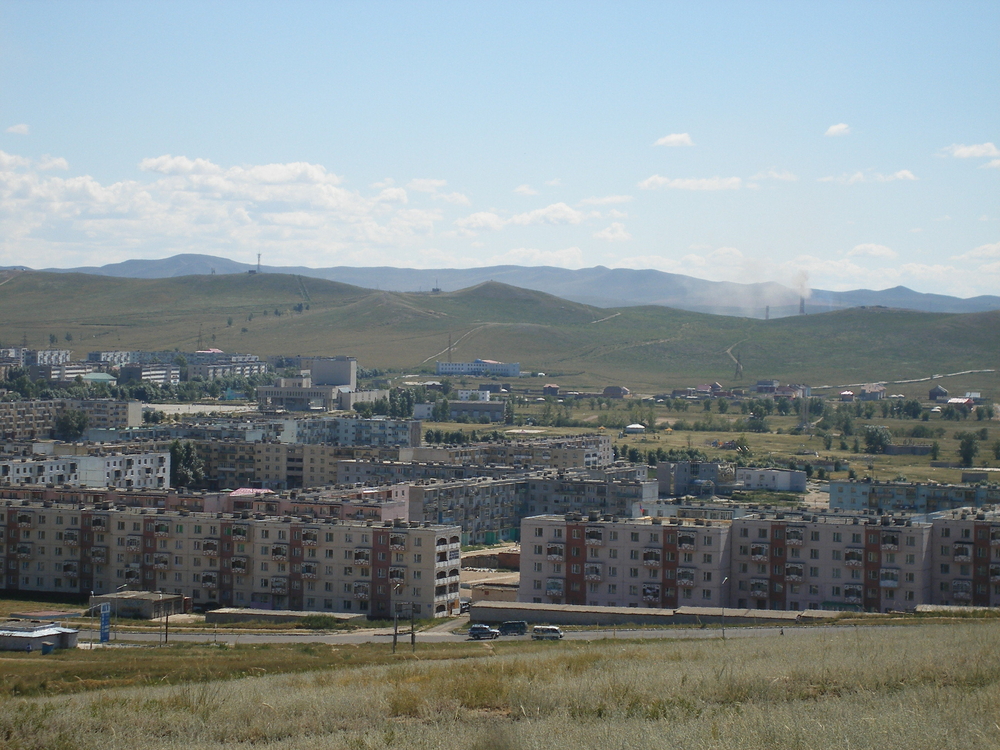
A rural district in Töv Province, Mungunmorit runs along the Kherlen River through landscapes of steppe and birch forests. Gers, horses, and wild nature just hours from Ulaanbaatar.
Mungunmorit is a rural district in Töv Province, a few hours' drive from Ulaanbaatar. Nestled in a valley traversed by the Kherlen River, it offers a landscape of steppe and birch forests typical of central Mongolia. It's a favored departure point for exploring wild nature away from conventional tourist circuits, with ger camps and nomadic families still very much present in the region.
What to see
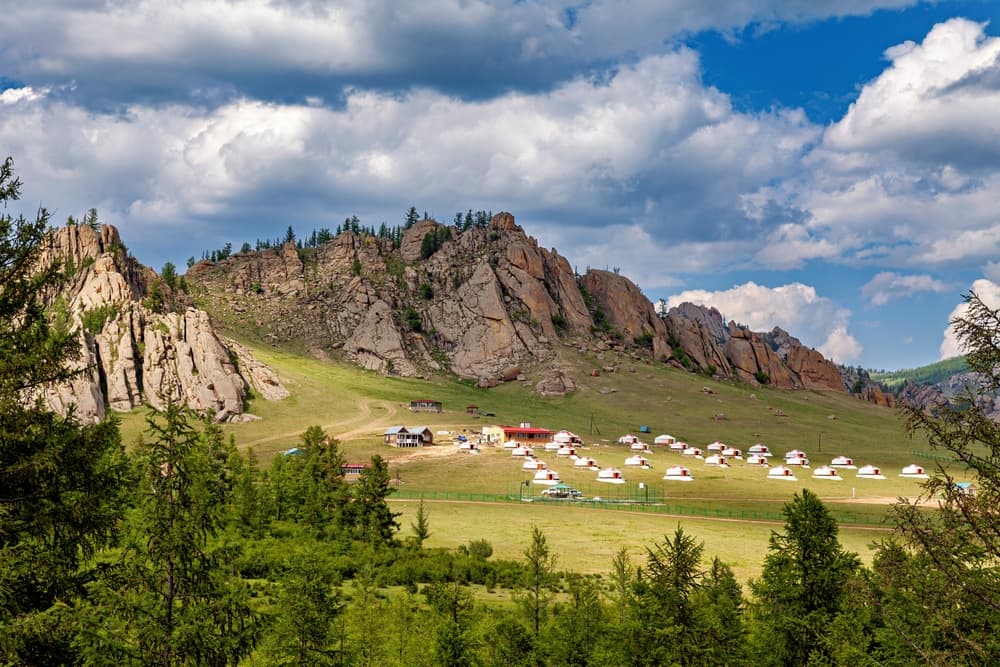
The district stands out for its open landscapes: gentle hills covered in steppe, shaded riverbanks, and herds of horses roaming free. The Kherlen River, one of Mongolia's longest, originates in mountains near Khentii. White gers of herders dot the horizon, offering an authentic image of Mongolian pastoral life.
History and context
Töv Province, of which Mungunmorit is a part, is historically linked to the great migrations of nomadic peoples across central Asia. The Kherlen River is mentioned in The Secret History of the Mongols, a foundational thirteenth-century text, as ancestral territory of Mongol clans. This symbolic proximity to the origins of Genghis Khan's empire gives the district particular historical resonance.
Highlights of a visit
The Kherlen River
The banks of the Kherlen are ideal for fishing, horseback riding, or simply observing local wildlife—migratory birds, marmots, and occasionally deer along the forest edges. The river remains little visited by foreign tourists.
Ger camp stays
Several nomadic families and small tourist camps welcome visitors. Sleeping in a ger, participating in mare milking, or learning to ride horses constitute the central experiences of a stay in this district.
Steppe landscapes and birch forests
The transition between open steppe and boreal forest (taiga) is visible in the surrounding hills. In summer, grasslands burst with wildflowers; in autumn, birches turn vivid yellow.
Photography tips
Golden light at sunrise and sunset is ideal for photographing gers with hills in the background. Herds of horses are most active early in the morning. Always ask permission before photographing people or the interior of a ger—it's a fundamental courtesy rule in Mongolia.
Location and access
Mungunmorit is located in Töv Province, east of Ulaanbaatar. The road from the capital is partly paved, then becomes a track. A 4×4 vehicle is recommended, especially after summer rains. Local agencies arrange transfers from Ulaanbaatar. There is no reliable regular public transport to this district.
Nearby attractions
Gorkhi-Terelj National Park — one of the most accessible parks from Ulaanbaatar, with its rock formations and ger camps.
Ulaanbaatar — Mongolian capital, main entry point for the entire Töv region.
Manzushir Monastery — ruins of a Buddhist monastery in the Bogd Khan mountains, west of Töv Province.
Frequently asked questions
Summer (June–August) is the most favorable season: mild temperatures, verdant grasslands, and access to ger camps. Spring and autumn are possible but tracks can be difficult after rain.
A 4×4 is strongly recommended. Unpaved tracks can be impassable for a regular vehicle, particularly during rainy periods or in spring when snow melts.
Yes, tourist ger camps and nomadic families offer accommodation. It's advisable to book through a local agency from Ulaanbaatar to ensure availability.
Yes: enter the ger from the left, do not step on the threshold, accept offered food or drink (even symbolically), and always ask before photographing.
Yes, both sites are in Töv Province and can be combined on a multi-day circuit from Ulaanbaatar, passing through the Kherlen valleys.
Interested in this visit?
We can include it in your personalised itinerary.