Ongon
Ongon
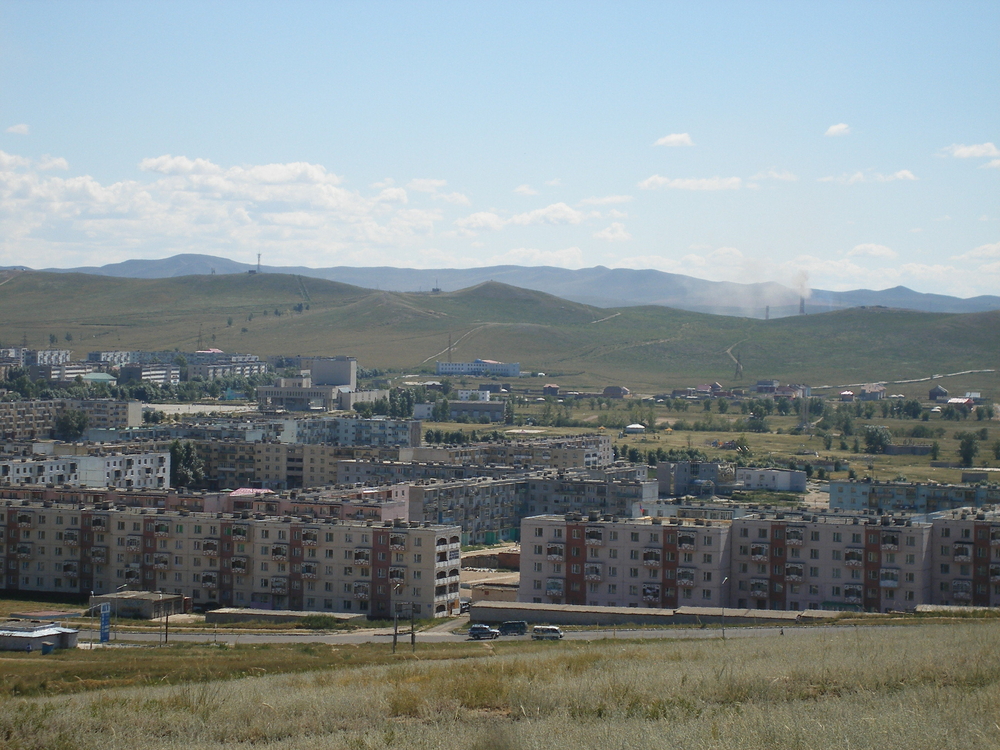
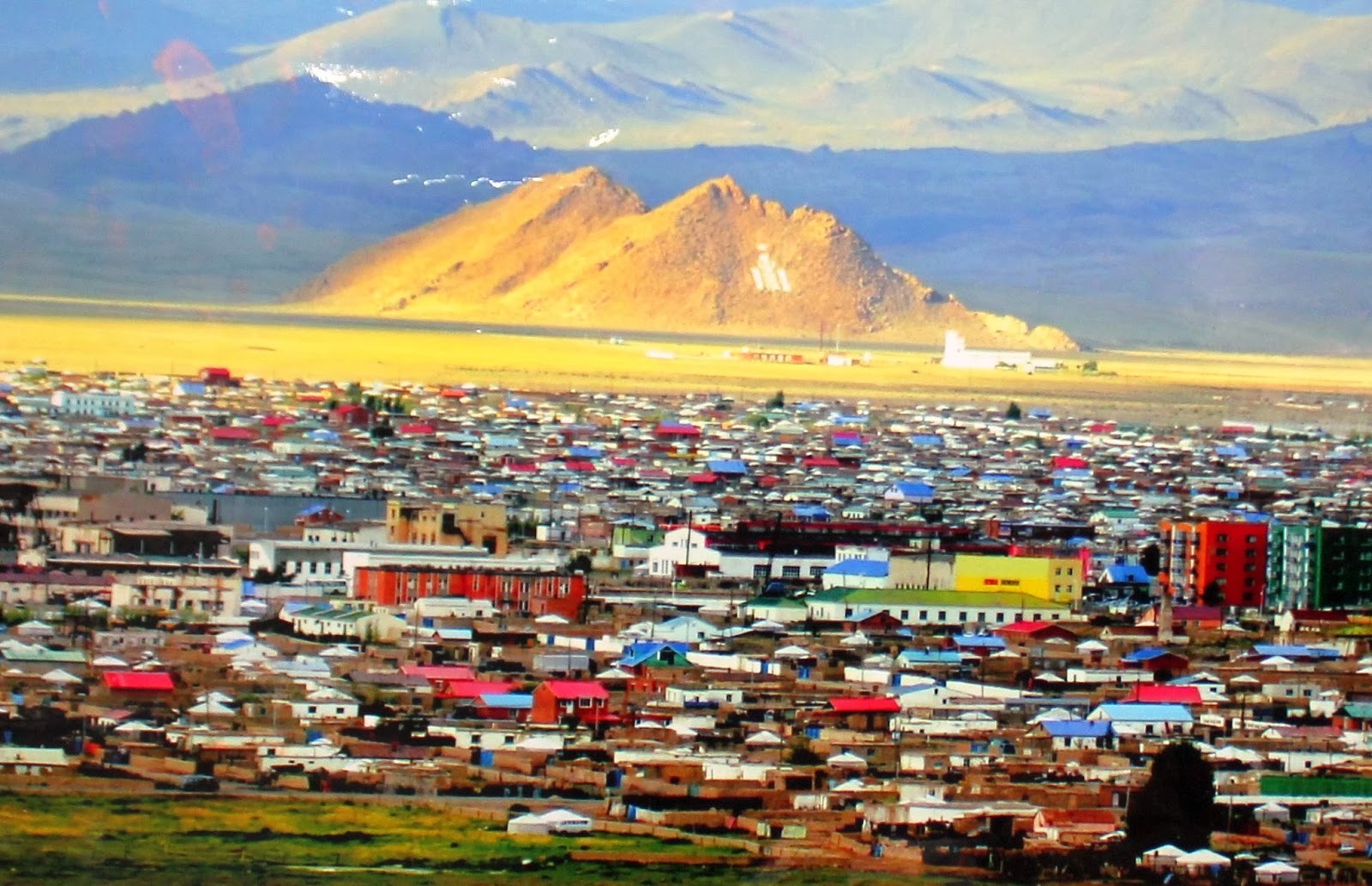
Ongon is a district (sum) in Sükhbaatar Province, southeastern Mongolia.
Ongon is a district (sum) in Sükhbaatar Province, southeastern Mongolia. Located at the edge of the steppes and semi-arid landscapes bordering the Eastern Gobi Desert, it draws travelers seeking wild nature, silence, and a rural Mongolia far from the beaten path. The region is known for its rock formations, vast pastures, and the nomadic way of life that persists here.
What to See
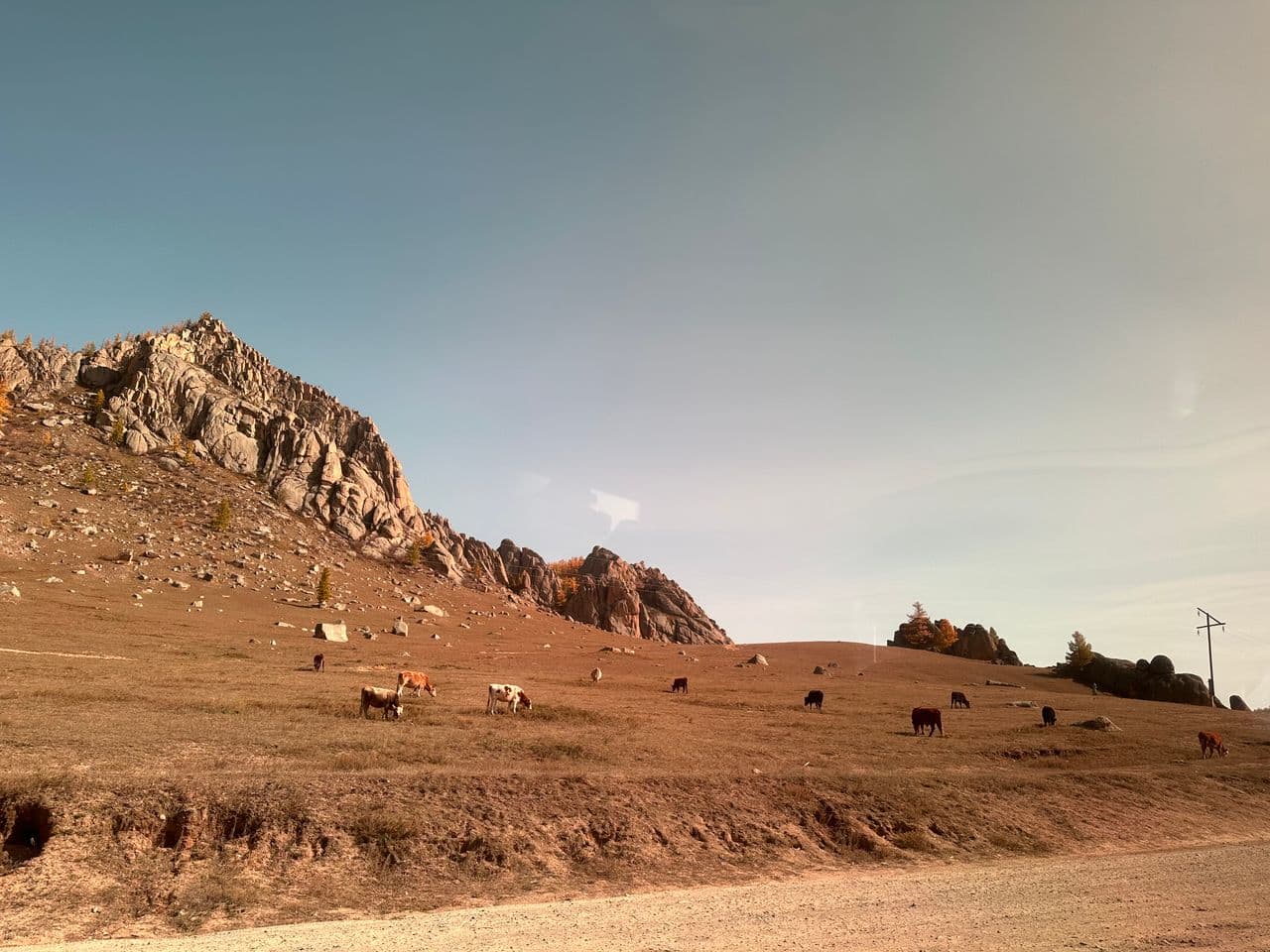
The dominant landscape is open steppe, punctuated by rocky hills and grassy valleys. You'll encounter herds of horses, goats, and sheep tended by nomadic families. Yurts (ger) scattered across the plains illustrate a pastoral lifestyle that remains unchanged. Wildlife—Mongolian gazelles, raptors, foxes—is regularly observable.
History and Context
Sükhbaatar Province, of which Ongon is part, is named after Mongolian revolutionary hero Damdin Sükhbaatar. The region has long been a transhumance territory for nomadic herders. Little industrialized, it has preserved its traditional structures better than areas near Ulaanbaatar.
Highlights of a Visit
The Steppe and Nomadic Life
Staying with a nomadic family remains the central experience. Hosts willingly share airag (fermented mare's milk) and meals based on mutton. Observing the milking of mares or the gathering of herds at sunset gives a tangible sense of this daily life.
Rock Formations
The area around Ongon contains granite outcrops and hills offering sweeping panoramas across the steppe. These sites, without tourist amenities, are discovered on horseback or on foot with a local guide.
Steppe Wildlife
The Mongolian gazelle (Procapra gutturosa) is present in considerable numbers in this part of the country. Seasonal gazelle migrations constitute a rare natural spectacle on a global scale.
Photography Tips
Golden light in the late afternoon across the steppe is ideal for photographing yurts and herds. Sunrises often offer clear, colorful skies. Always ask nomadic families for permission before photographing them—a gesture of respect that is systematic in Mongolia.
Location and Access
Ongon is located in Sükhbaatar Province, east of Ulaanbaatar. Access is primarily by 4x4 vehicle, as tracks are unpaved. Baruun-Urt, the provincial capital, serves as the nearest logistical base with services (fuel, basic accommodation). Local agencies organize circuits from Ulaanbaatar that include this region.
Nearby Attractions
Baruun-Urt — Capital of Sükhbaatar Province, a supply and accommodation point before exploring the region.
Eastern Gobi — The semi-desert landscapes of the Eastern Gobi are accessible from the south of Sükhbaatar Province.
Khalkh Gol — Site of the 1939 battle between Soviet-Mongolian and Japanese forces, rich in history, east of the province.
Frequently Asked Questions
Frequently asked questions
Summer (June–August) offers mild temperatures and verdant steppes. Spring (May) and autumn (September) are also pleasant, with fewer visitors. Winter is severe and not recommended without specialized equipment.
A local guide is strongly recommended. Tracks are poorly marked, and a guide facilitates contact with nomadic families and navigation off-road.
Yes. Nomadic hospitality is a deep-rooted tradition in Mongolia. Families readily welcome travelers into their yurts. A local agency can arrange these stays in respect of local customs.
A 4x4 with an experienced driver is essential. The tracks in Sükhbaatar Province are unpaved and can be difficult after rain.
Enter a yurt by stepping over the threshold with your right foot first. Do not refuse offered food or drink. Avoid pointing your finger and walking on the threshold. These simple gestures are greatly appreciated.
Interested in this visit?
We can include it in your personalised itinerary.