Orog Lake
Orog Lake
Orog Lake, or Orog Nuur, stretches across Bayankhongor province in southern Mongolia, at the foot of the Khangai Mountains.
Orog Lake, or Orog Nuur, stretches across Bayankhongor province in southern Mongolia, at the foot of the Khangai Mountains. This endorheic salt lake—with no outlet to the sea—attracts ornithologists and travelers seeking vast desert expanses. Its flat shores, shallow waters and ever-shifting reflections make it a natural stop on the road to the Gobi Desert.
Practical information at a glance
Access: track from Bayankhongor town, 4×4 vehicle essential
Entry: open natural zone, no formalized entry fee known
Recommended duration: half-day to full day depending on ornithological interest
What to wear: warm clothing even in summer (strong winds on the shores), sun protection mandatory
What you'll see
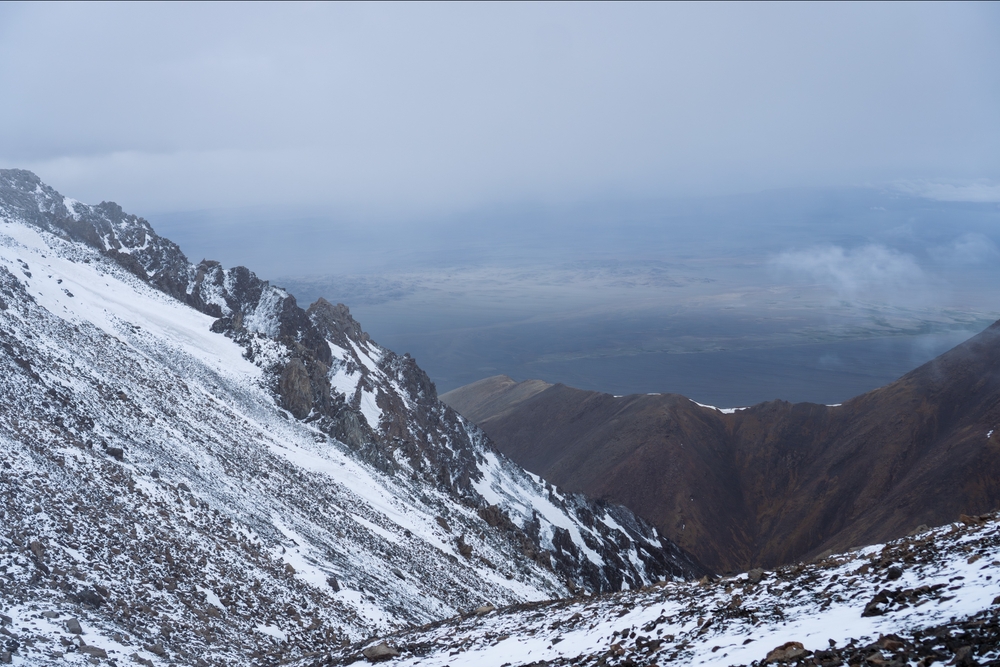
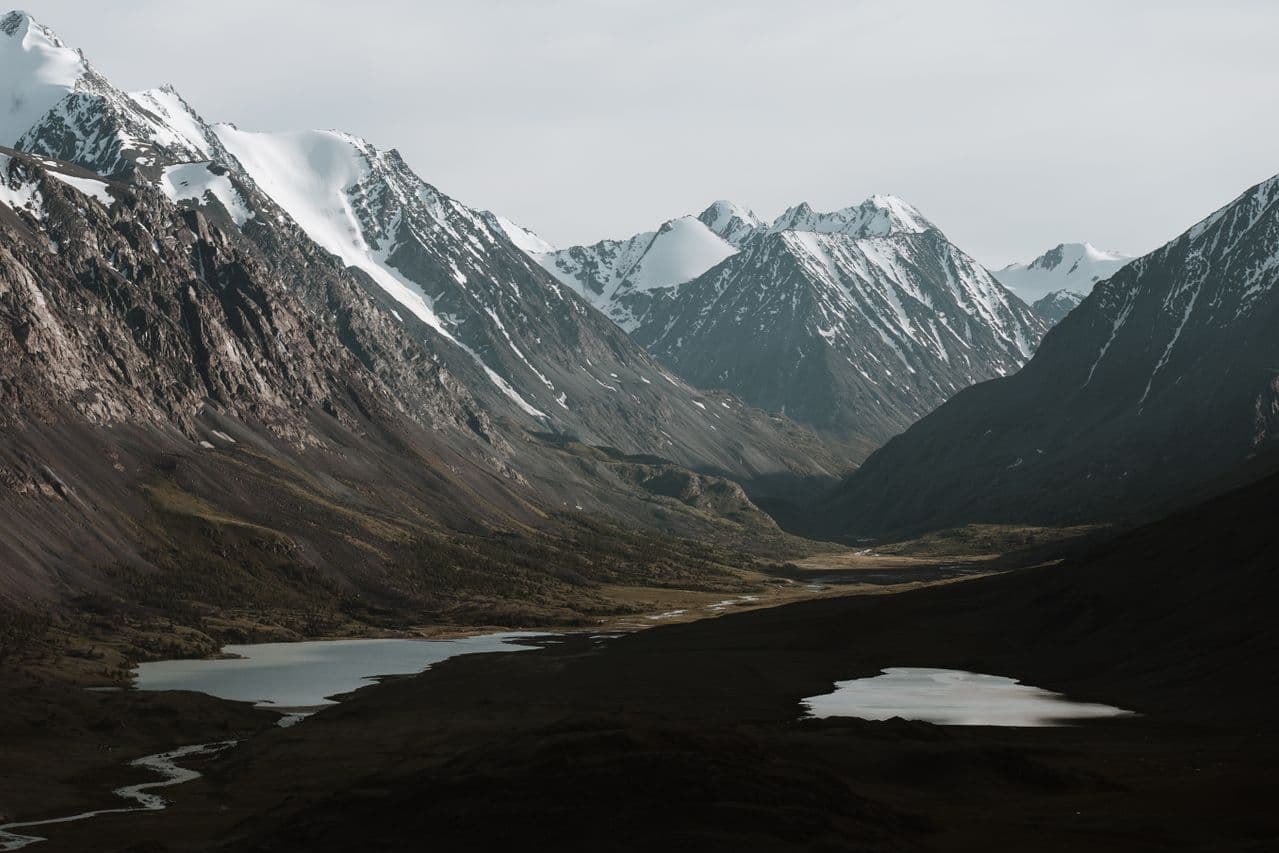
Orog Lake is a shallow salt water body whose level varies by season and year. The shores host colonies of migratory birds: cranes, geese, ducks and waders stop here during spring and autumn passages. The landscape alternates between dry steppe, wetlands and, in the distance, the snow-capped ridges of the Khangai.
History and context
Orog Lake is part of a hydrological system fed by the Tuin Gol river, which descends from the Khangai massif. Like many endorheic lakes of Central Asia, it undergoes significant fluctuations linked to climatic variations and agricultural water use upstream. Nomadic communities in the region have long used its shores as seasonal pastures.
Highlights of a visit
Observing migratory birds
Spring (April–May) and autumn (September–October) are the best periods. Thousands of birds make a stopover on the rarely frequented shores. Binoculars and a spotting scope are essential: birds often remain at a distance on the shallow waters.
Panoramas of the Khangai
On clear days, the peaks of the Khangai are reflected in the lake's calm waters. The absence of light pollution guarantees exceptional starry nights for those camping on site.
Nomadic life on the shores
Herding families set up their yurts near the lake in summer. An encounter with these communities, arranged through your English-speaking local agency, offers a concrete glimpse into Mongolian pastoral life.
Photography tips
Low-angle morning and evening light offers the best conditions: the lake then reflects the sky's golden tones. Photograph birds from the shore without approaching abruptly. A telephoto lens is highly recommended. Frequent wind can create ripples that break reflections at midday.
Location and access
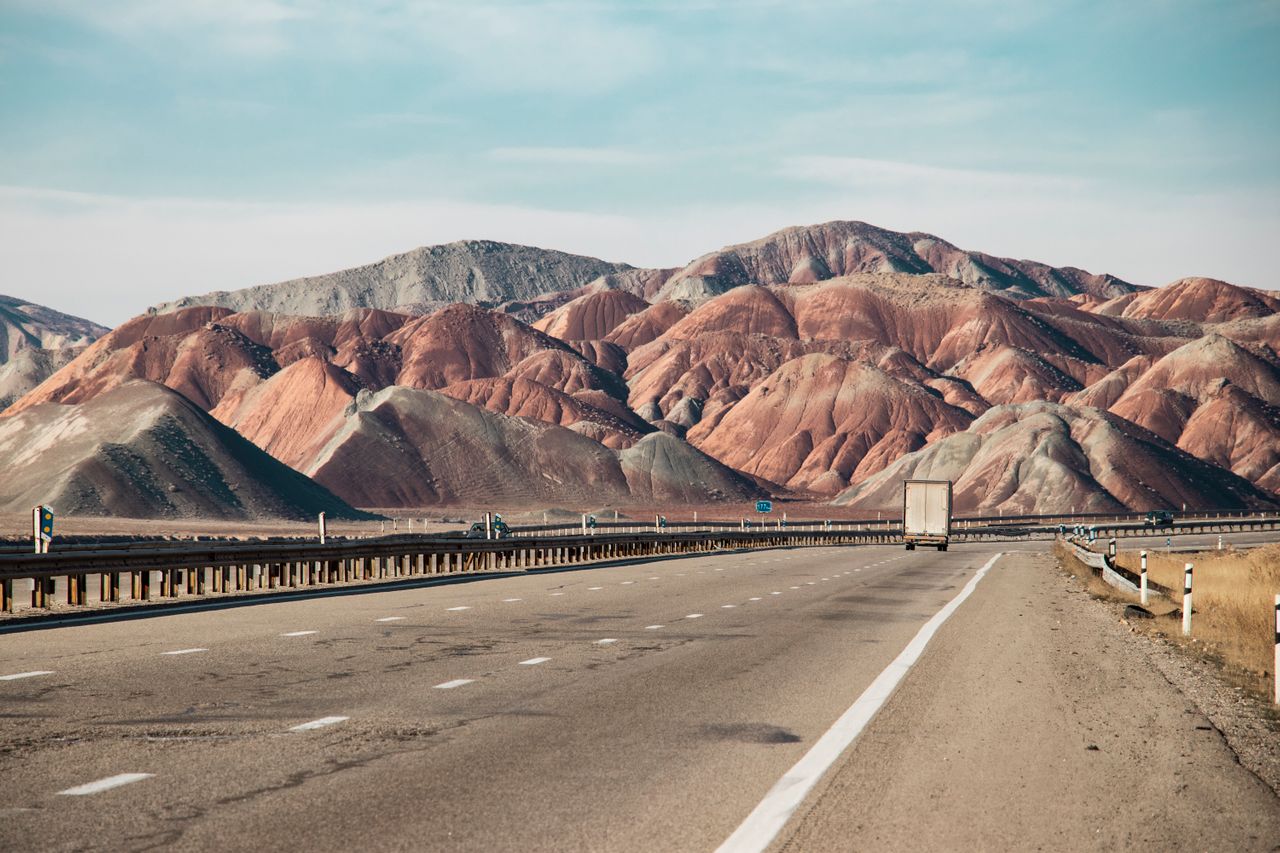
Orog Lake lies in Bayankhongor province, several hours' drive on track from Bayankhongor town. The asphalt road ends before the lake; a 4×4 vehicle with driver-guide is essential. No public transport serves the site. The lake is often part of an itinerary combining the Gobi Desert and Khangai valleys.
Nearby attractions
Gobi Desert — the dunes and arid landscapes of the Gobi lie to the south, accessible by continuing into the desert.
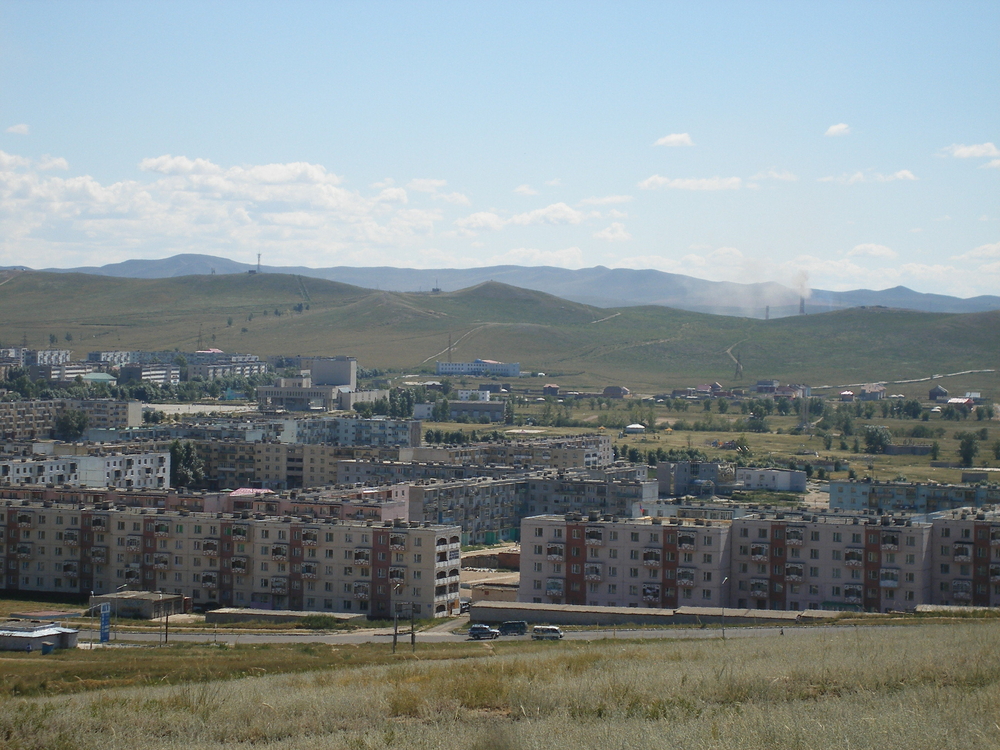
Bayankhongor town — the provincial capital and logistical starting point for supplies and accommodation.
Khangai Mountains — mountain range to the north, source of the rivers that feed the lake.
Frequently asked questions
Frequently asked questions
Spring (April–May) and autumn (September–October) are ideal for observing migratory birds. Summer is pleasant but the lake level may drop. Winter is very harsh and access is difficult.
Yes. The tracks are not marked and a local driver-guide familiar with the terrain is essential. Your Nomadays agency can arrange this transfer as part of a circuit.
Wild camping is possible on the shores. Plan for equipment suited to cold nights and wind, even in summer. No fixed tourist infrastructure is present on site.
No. This is a shallow salt lake whose waters are not conducive to swimming. The site's interest is primarily scenic and ornithological.
Yes, it's even the classic itinerary. Orog Lake naturally fits into a circuit connecting Bayankhongor to the Gobi, passing through highly varied landscapes over several days.
Interested in this visit?
We can include it in your personalised itinerary.