Ovorkhangai
Ovorkhangai
Övörkhangai combines the ruins of Karakorum, Erdene Zuu monastery and the Orkhon Valley (UNESCO) in a single circuit across Mongolia's vast steppe.
Övörkhangai is a province in central-south Mongolia, with Arvaikheer as its capital. It concentrates some of the country's most significant historical and natural sites: the ruins of Kharkhorin, former capital of the Mongol Empire, Erdene Zuu monastery, and the Orkhon Valley, inscribed on the UNESCO World Heritage list. It is an ideal destination for those wishing to combine imperial history, steppe landscapes and nomadic culture.
What to see
The province offers a remarkable diversity of sites within an accessible area:
Kharkhorin (Karakorum) ruins: remains of the capital founded by Ögedei Khan in the 13th century, now partially excavated.
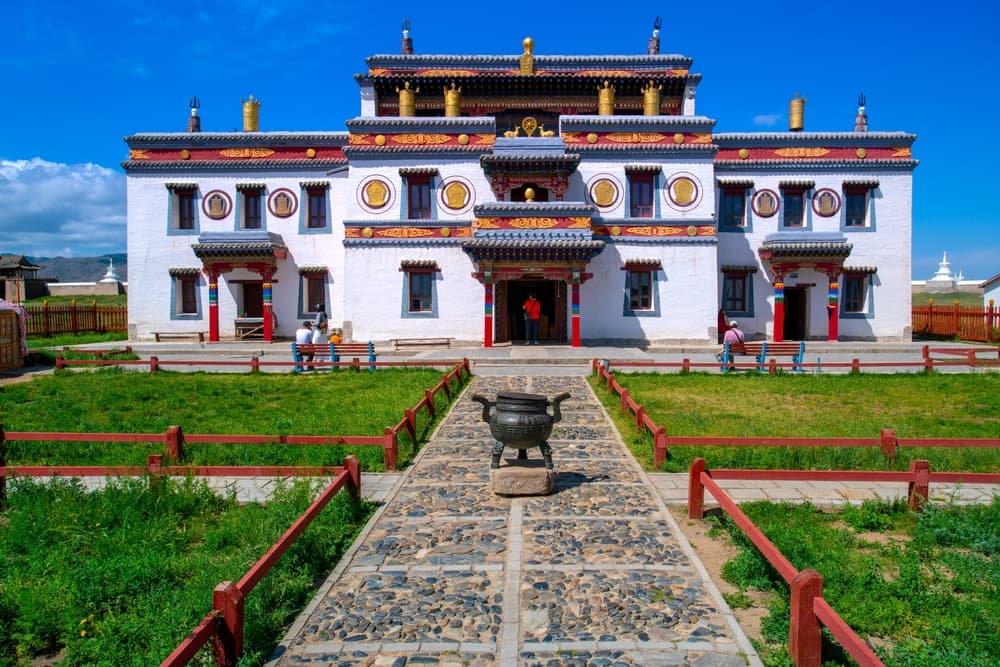
Erdene Zuu monastery: Mongolia's first major Buddhist monastery, built in 1586 using materials recovered from Karakorum's ruins.
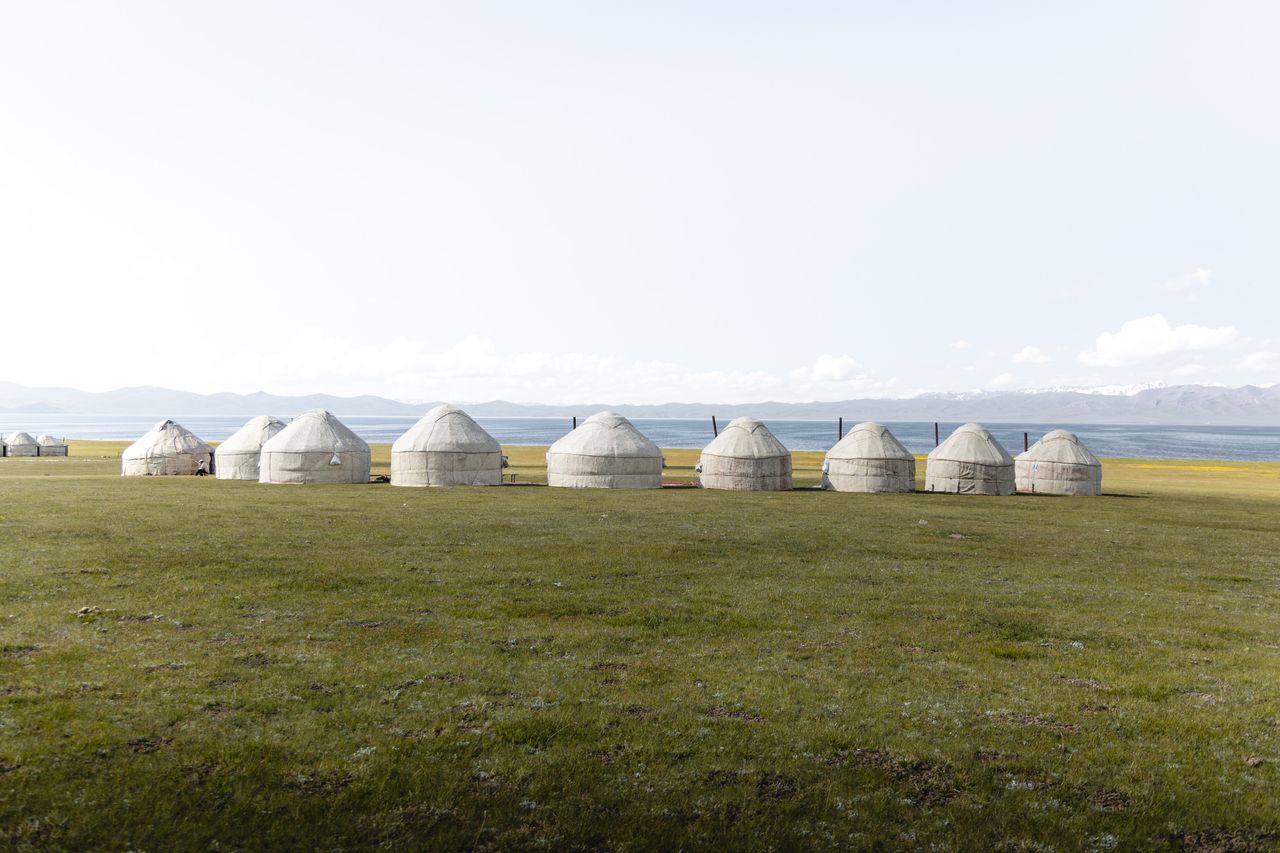
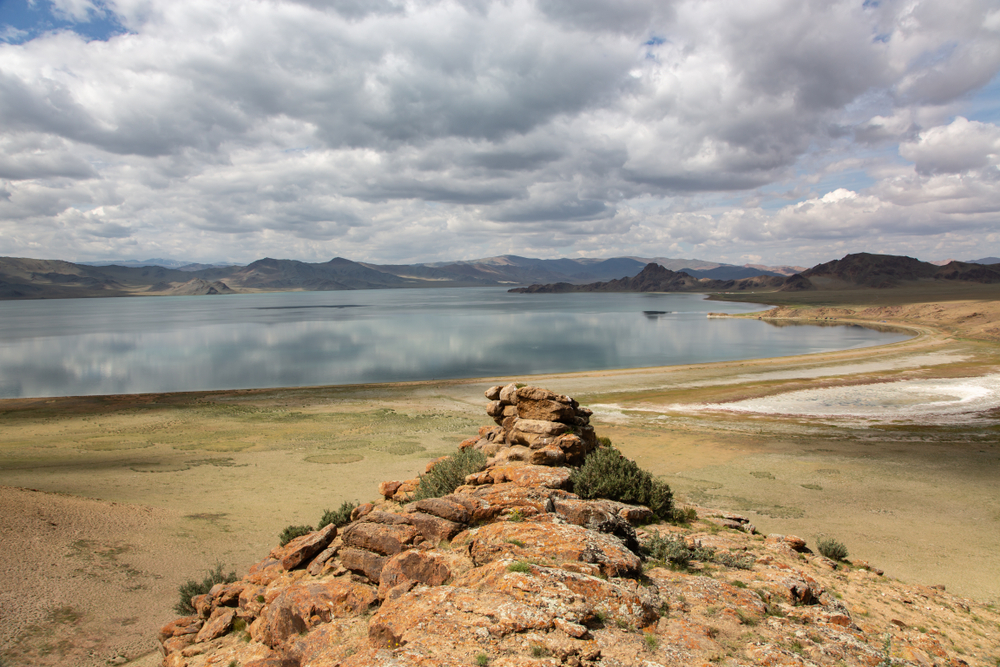
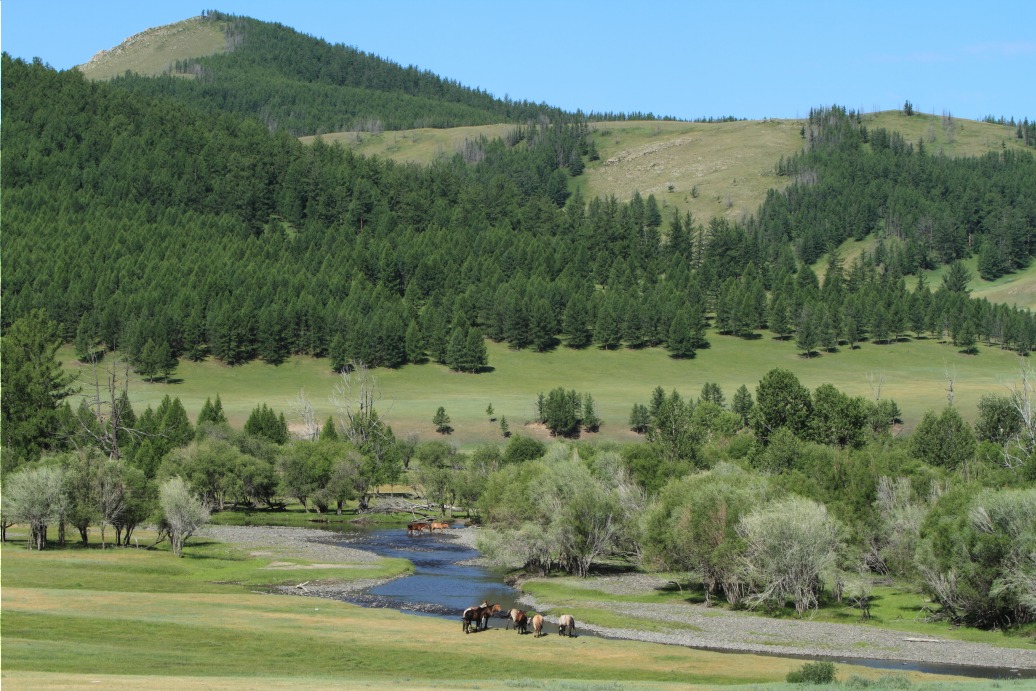
Orkhon Valley: a steppe landscape crossed by the Orkhon river, featuring waterfalls, volcanic gorges and nomadic camps.
Orkhon Waterfall (Ulaan Tsutgalan): a cascade formed by ancient volcanic eruption, surrounded by basalt cliffs.
Khöshöö Tsaidam stelae: 8th-century Turkic runic monuments, among the oldest written texts in the Turkic language.
History and context
The Orkhon Valley has been inhabited since antiquity and served as the political heart of several steppe empires. Eastern Turks erected their runic stelae here in the 8th century. Genghis Khan, then his son Ögedei, founded Karakorum around 1220–1235, capital of an empire stretching from China to Eastern Europe. After the Mongol decline, the site remained a spiritual centre: Erdene Zuu was built on its ruins and survived, despite Soviet-era destruction in the 1930s, as an active place of worship.
Highlights of a visit
Erdene Zuu monastery
Surrounded by a 400-metre wall punctuated by 108 white stupas, the monastery houses several temples with Chinese-style roofs. Some temples have been converted into museums displaying thangkas, statues and liturgical objects. The site remains an active place of worship: Buddhist ceremonies are held there regularly.
Karakorum ruins
The Kharkhorin museum presents objects unearthed during German-Mongolian excavations: ceramics, coins and everyday items that testify to the cosmopolitanism of the ancient capital. On the site itself, a large stone turtle (turtles stones) marks the former corners of the city.
Orkhon Valley and Ulaan Tsutgalan waterfall
The Orkhon river carves gorges through a volcanic plateau. The waterfall, some twenty metres high, is accessible from Kharkhorin by track. Around it, nomadic families offer stays in yurts, allowing close observation of pastoral life.
Photography tips
Golden morning light is ideal for photographing Erdene Zuu's white stupas with the steppe as backdrop.
The Ulaan Tsutgalan waterfall is most spectacular in summer (June–August) after snowmelt.
Photography inside temples may be restricted or require permission: check on site before shooting.
Steppe landscapes lend themselves to telephoto lenses for isolating yurts and herds in the vastness.
Etiquette and visiting rules
Remove your shoes before entering the temples of Erdene Zuu monastery.
Dress modestly (shoulders and knees covered) to access worship spaces.
Circulate clockwise around stupas and temples, in keeping with Buddhist tradition.
Do not touch statues and ritual objects displayed in the temple-museums.
Location and access
Arvaikheer, the provincial capital, is about 430 km south-west of Ulan Bator. Kharkhorin, the main site, is roughly 360 km from the capital. The main road is partially paved; tracks to the waterfall and secondary sites require a 4×4 vehicle. Domestic flights connect Ulan Bator to Arvaikheer. Most visitors organise trips as circuits with a driver-guide from Ulan Bator, combining Övörkhangai with Khustai National Park or the Gobi Desert.
Nearby
Erdene Zuu monastery — Mongolia's first major Buddhist monastery, at Kharkhorin.
Karakorum ruins — Remains of the former Mongol Empire capital and its archaeological museum.
Orkhon Valley — UNESCO site combining volcanic landscapes, river and nomadic life.
Ulaan Tsutgalan waterfall — Basalt cascade accessible from Kharkhorin by track.
Khustai National Park — Reserve home to wild Przewalski horses, to combine on the route from Ulan Bator.
Frequently asked questions
From June to September, the steppe is green, tracks are passable and the waterfall flows at maximum capacity. July coincides with the Naadam festival, also celebrated in Kharkhorin with wrestling, archery and horse racing.
Yes, to access Ulaan Tsutgalan waterfall and secondary sites in the Orkhon Valley. The Ulan Bator–Kharkhorin road is partially paved but local tracks require a 4×4 with an experienced driver.
Kharkhorin has guesthouses and tourist yurt camps. In the Orkhon Valley, nomadic families welcome visitors in yurts, offering direct immersion in pastoral life.
Two to three days allow you to visit Erdene Zuu, the Karakorum ruins, the museum and the waterfall. Add another day to explore the Orkhon Valley and meet nomadic families.
Exteriors and stupas are freely photographable. Inside temples, restrictions apply depending on the space; ask the custodians at the entrance to each building.
Buses connect Ulan Bator to Arvaikheer and Kharkhorin. However, to access sites scattered across the Orkhon Valley, hiring a vehicle with a driver-guide remains the most practical and safe solution.
Interested in this visit?
We can include it in your personalised itinerary.