Taatsiin gol
Taatsiin gol
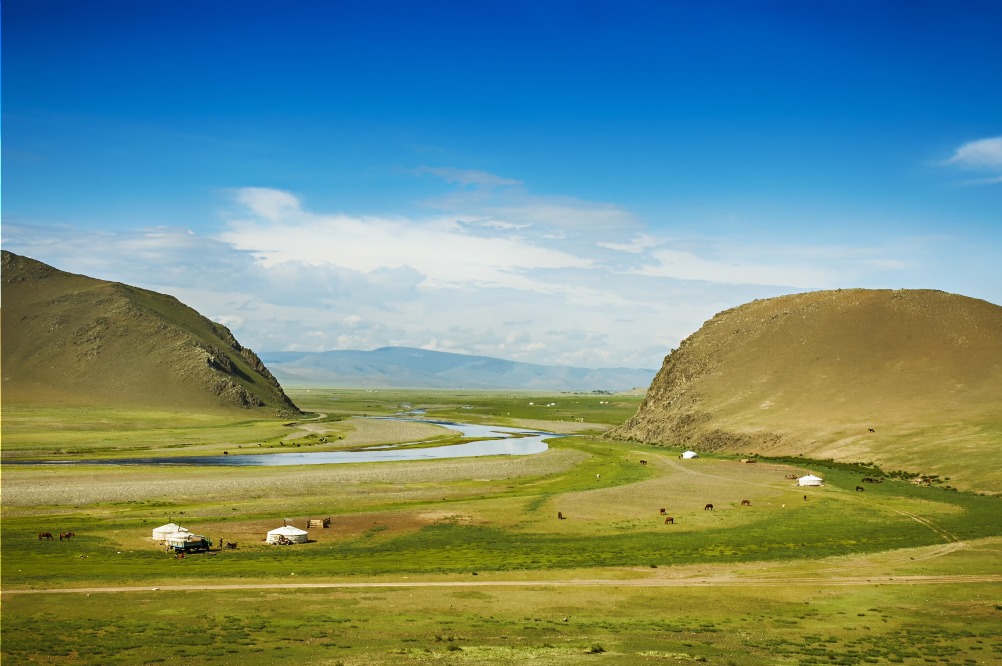
The Taatsiin Gol valley stretches across western Mongolia, between arid steppes and wetlands fed by the Taats River.
The Taatsiin Gol valley stretches across western Mongolia, between arid steppes and wetlands fed by the Taats River. This natural corridor is primarily known to paleontologists and naturalists: its sediments have yielded fossils of prehistoric mammals among the most significant in Central Asia. For the traveler, it is also a landscape of absolute solitude, far from any tourist circuit.
What to See
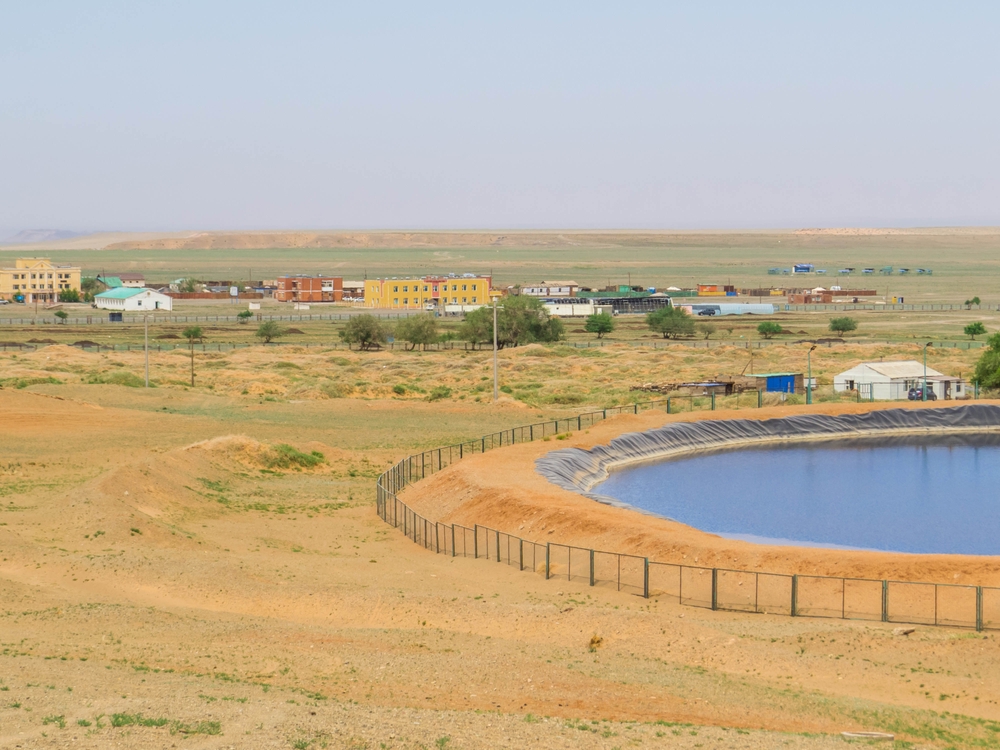
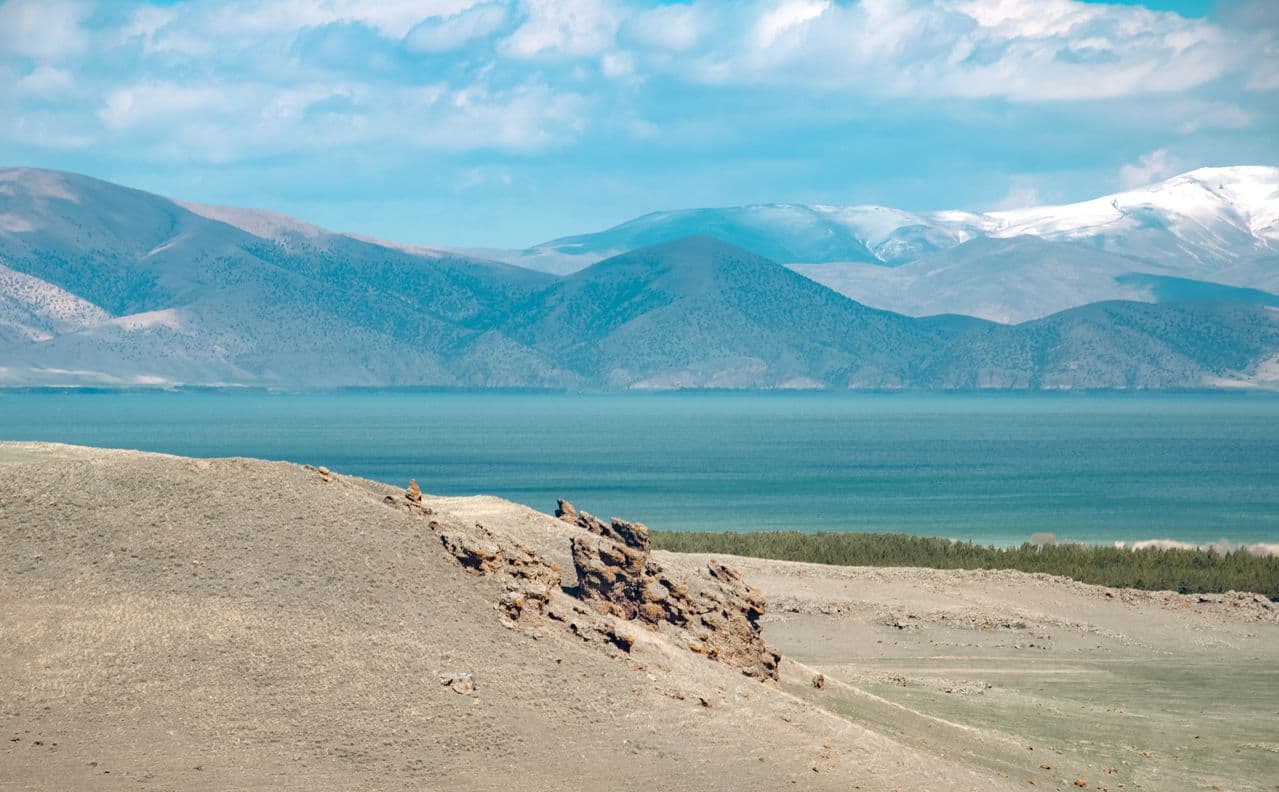
The Taats River traverses a semi-desert basin dotted with sedimentary hills in ochre and beige hues. Vegetation remains sparse — saxaul shrubs, steppe grasses — but the riverbanks attract varied wildlife: migratory birds, gazelles, and occasionally wolves on the periphery. Geological formations exposed at the surface bear witness to millions of years of continental deposits.
History and Context
The valley gained international scientific reputation through paleontological excavations conducted since the 1990s. Mongolian-American teams have uncovered remains of Eocene and Oligocene mammals, notably primitive rhinoceroses and creodonts. These discoveries have contributed to a better understanding of terrestrial fauna evolution in Central Asia following the extinction of dinosaurs.
Highlights of the Visit
Fossil-Bearing Outcrops
The sedimentary layers visible on hillsides allow you to observe, with the naked eye or a magnifying glass, bone and dental fragments. Collection is strictly prohibited: fossils are part of Mongolia's national heritage.
The River and Its Wetlands
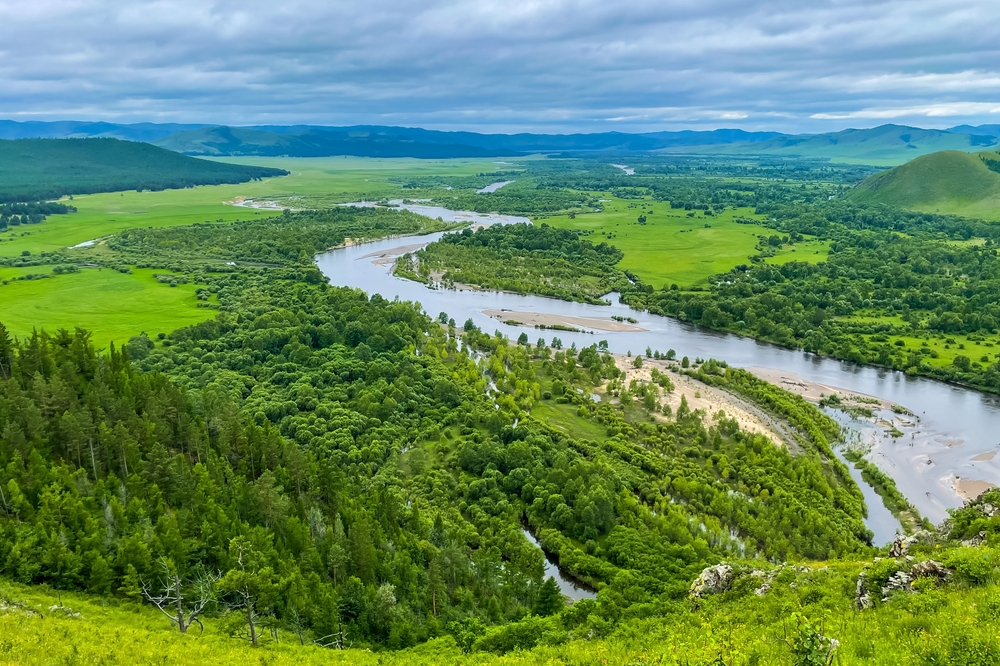
Along the banks of the Taats, temporary pools form according to the season. They serve as halting points for migratory birds — cranes, ducks, waders — making it a discreet yet interesting site for birdwatching.
The Desert Steppe Landscape
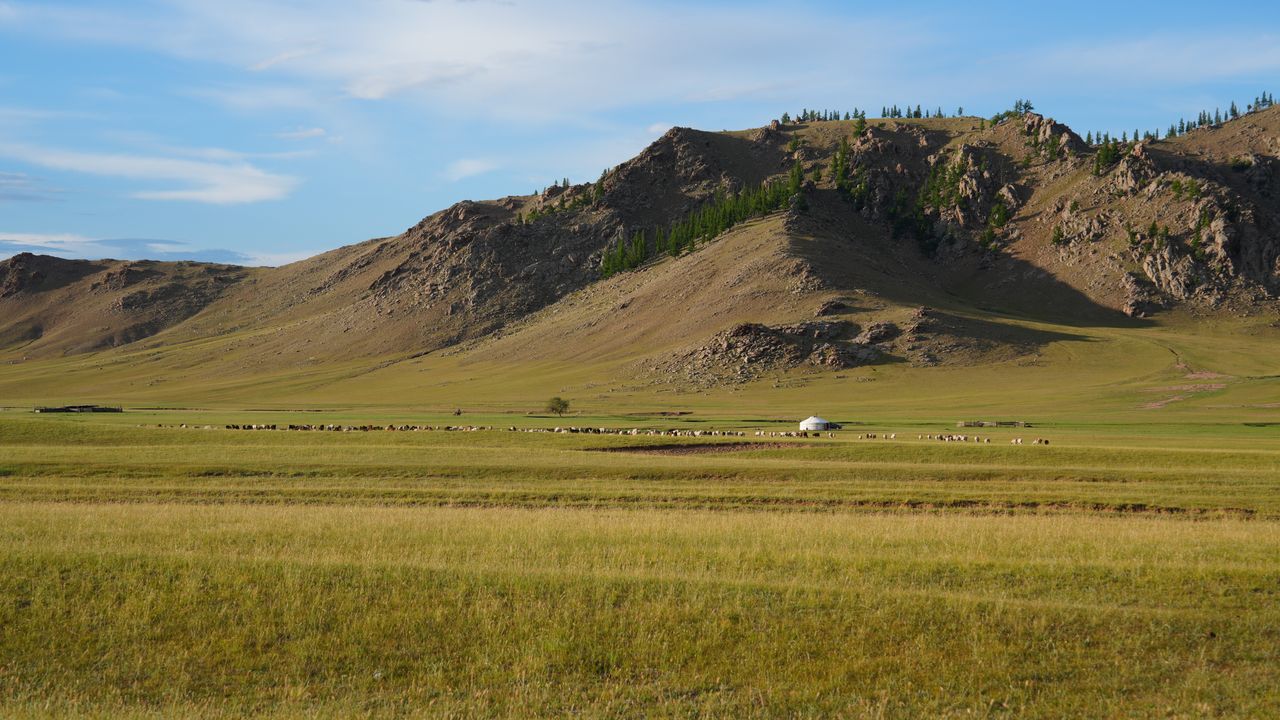
The near-total absence of human infrastructure gives the valley an end-of-the-world atmosphere. Nights are pitch-black, ideal for stargazing.
Photography Tips
Low-angle morning and evening light reveals the relief of sedimentary hills and accentuates the color contrasts of geological strata. Bring a wide-angle lens to capture the scale of the landscape. Avoid midday: light is flat and heat creates disturbing mirages.
Practical Information at a Glance
Access: unpaved track, 4×4 vehicle essential; no public transport.
Rules: fossil collection strictly prohibited by Mongolian law.
Recommended duration: half a day to a full day depending on natural history interest.
Accommodation: camping or yurt stays with local families; no hotels on-site.
Best season: June to September, before the first night frosts.
Location and Access
Taatsiin Gol is located in a remote zone of western Mongolia, several hours by track from the nearest urban centers. Access is exclusively by 4×4, ideally with a local guide familiar with the trails. No signage indicates the site. A GPS and offline topographic maps are essential.
Nearby Attractions
Ogii Nuur Lake — steppe lake renowned for migratory bird observation.
Orkhon Valley — UNESCO World Heritage site, historical heart of Mongolia.
Kharkhorin (Karakorum) — former capital of the Mongol Empire, home to Erdene Zuu Monastery.
Frequently Asked Questions
Frequently asked questions
No. Mongolian law formally prohibits fossil collection throughout the country. Any violation exposes offenders to criminal penalties and confiscation of materials.
June to September. Temperatures are manageable, tracks are passable, and birdlife is present. Avoid winter: temperatures drop well below freezing and trails become hazardous.
A local guide is strongly recommended. Trails are not marked, and an experienced driver familiar with the terrain avoids the risks of getting bogged down or lost.
None. No restaurants, structured accommodation, or gas stations. Plan for fuel, water, and food for several days of complete self-sufficiency.
Yes, as part of a multi-day 4×4 itinerary. The Orkhon Valley and Kharkhorin site are natural stops on a central and western Mongolia route.
Interested in this visit?
We can include it in your personalised itinerary.