Tsengel Sum
Tsengel Sum
Tsengel Sum is a district (sum) in Bayan-Ölgii Province, in the far west of Mongolia, at the heart of the Mongolian Altai.
Tsengel Sum is a district (sum) in Bayan-Ölgii Province, in the far west of Mongolia, at the heart of the Mongolian Altai. Populated predominantly by Kazakhs and a Tuva community, it is one of the rare places where the tradition of hunting with royal eagles is still practiced daily. The landscape—glacial valleys, turquoise rivers, and snow-capped peaks—makes it a base for exploring the wild Altai far from conventional tourist circuits.
What to see
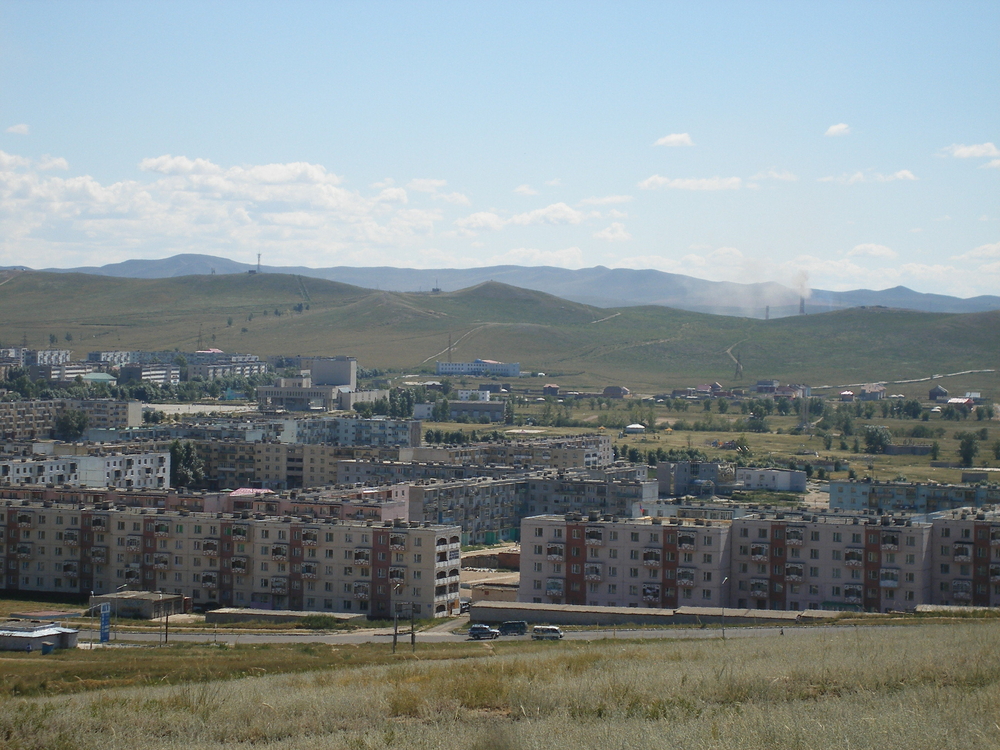
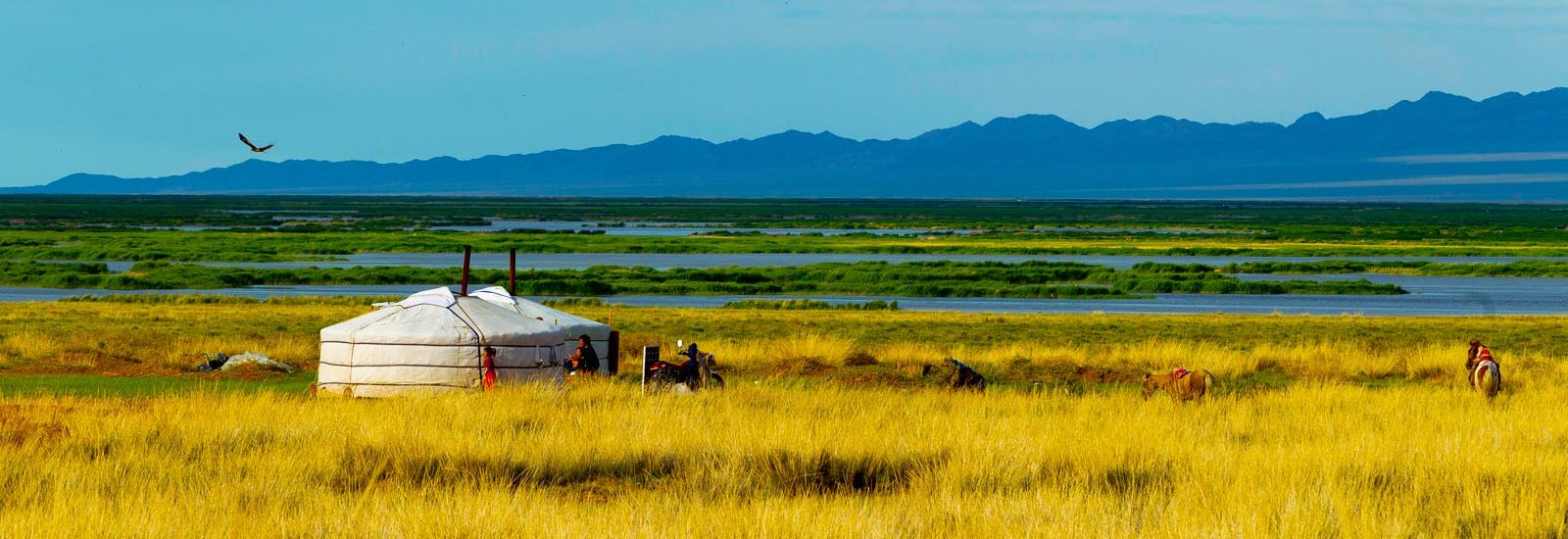
The district is centered on a modest town, a starting point for journeys into remote valleys. Yurts of Kazakh and Tuva families dot the pasturelands. The Tsengel Gol River and its tributaries flow through little-visited gorges. At higher elevations, the glaciers of the Mongolian Altai remain visible from several passes.
Tuva community: one of the most accessible in Mongolia, with its own musical traditions (overtone singing) and craftsmanship.
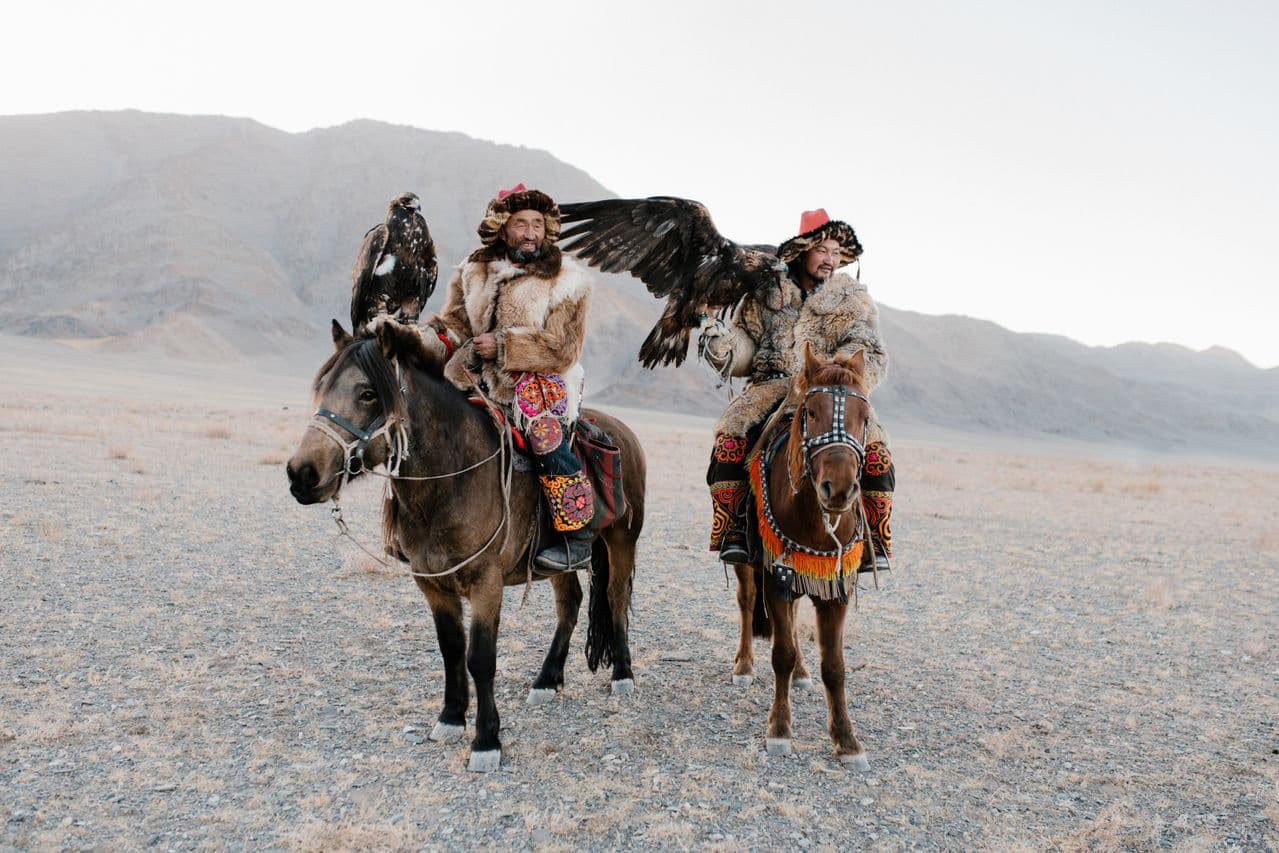
Kazakh eagle hunters: several families in the district practice royal eagle falconry; a meeting can be arranged through a local agency.
Altai landscapes: U-shaped valleys carved by glaciers, summer alpine pastures (jailloo), larch forests at altitude.
History and context
Bayan-Ölgii is Mongolia's only Kazakh-majority province, the result of migrations from present-day Kazakhstan in the 19th century. Tsengel Sum is also home to a Tuva minority, a Turkic-speaking people whose presence in Mongolia dates back centuries. These two communities have preserved distinct nomadic and semi-nomadic ways of life, lending the district a cultural richness rare in the region.
Highlights of a visit
Meeting eagle hunters
Kazakh families in Tsengel raise royal eagles for hunting foxes and hares. A visit to an eagle hunter's home—to be arranged through a local guide—allows you to observe bird training and learn about this tradition passed down from father to son.
Tuva villages
Tuva hamlets around Tsengel retain a wooden-log architecture distinct from the Kazakh yurt. Overtone singing (khoomei) is still practiced there. A respectful visit, accompanied by an interpreter, opens a window onto a little-documented culture.
Trekking in the Altai valleys
Valleys to the south and east of town offer horseback and hiking routes to glacial lakes and mountain passes. Conditions vary greatly by season; an experienced guide is essential.
Photography tips
Low-angle morning and evening light enhances the Altai's relief and yurt silhouettes. Always ask permission before photographing people, especially during ceremonies or in yurts. Royal eagles in flight offer striking images, but framing requires anticipation.
Location and access
Tsengel Sum is located in Bayan-Ölgii Province, west of the provincial capital Ölgii. The track from Ölgii is passable by 4×4; travel time depends on track conditions and season. No paved roads serve the district. The nearest airport is Ölgii, connected to Ulaanbaatar by regular flights. A guide and all-terrain vehicle are essential for reaching Tsengel Sum independently.
Accessibility for people with reduced mobility is very limited due to terrain and lack of adapted infrastructure.
Nearby
Ölgii — capital of Bayan-Ölgii, a logistical hub with Kazakh market and provincial museum.
Altai Tavan Bogd National Park — a border massif with Russia and China, featuring glaciers and prehistoric petroglyphs.
Lake Khoton — a glacial lake within Altai Tavan Bogd Park, wild setting and traditional fishing.
Frequently asked questions
Frequently asked questions
From June to September, tracks are passable and alpine pastures are verdant. In autumn (September–October), larch colors and the eagle-hunting season offer special appeal. Winter is severe and access is often cut off.
Yes. The lack of signage, unmapped tracks, and the language barrier (Kazakh and Tuva are dominant) make a local guide essential. An agency based in Ölgii can organize your stay.
Through a local agency or a guide from Bayan-Ölgii who maintains contacts with families. Impromptu visits are discouraged; a respectful, well-planned approach ensures a better experience for both parties.
Homestays (yurts or houses) are the main option. Some Ölgii agencies organize stays in yurt camps. There is no conventional hotel in the town.
Enter a yurt by passing to the right of the central pole, accept offerings of salted milk tea, and always ask before photographing. Avoid pointing your feet toward the hearth or elderly people.
Interested in this visit?
We can include it in your personalised itinerary.