Ulan Ude
Ulan Ude, capital of the Buryat Republic in eastern Siberia, blends Soviet heritage, Tibetan Buddhism, and Buryat culture. A key stop on the Trans-Siberian Railway, close to Lake Baikal and the Mongolian border.
Ulan Ude is the capital of the Buryat Republic in Russia, near the Mongolian border and Lake Baikal. A crossroads between Russian, Tibetan Buddhism, and Buryat culture, the city blends Soviet architecture, active monasteries, and vibrant markets. It stands as a natural stopover on the Trans-Siberian Railway and a gateway to Mongolia.
Practical Information at a Glance
- Access: railway station on the Trans-Siberian line, international airport serving Moscow and Ulan Bator.
- Recommended duration: one to two days for the city center and Ivolginsky Datsan.
- Dress code: covered clothing recommended when visiting Buddhist temples.
What to See
Soviets Square hosts the world's largest Lenin head, an iconic monument of the Soviet era. The historic quarter preserves wooden houses with sculptured windows, typical of Siberian architecture. The Museum of Buryat History displays collections on nomadic peoples, shamanism, and local Buddhism. The central market offers a vivid glimpse of Buryat daily life.
History and Context
Founded in the 17th century as a Cossack fortress under the name Verkhneudinsk, the city became a commercial hub on the route to China. Renamed Ulan Ude in 1934, it emerged as the capital of Soviet Buryatia. The Buryat people, a Mongolic ethnic group of Siberia, maintained a vibrant Buddhist tradition despite Soviet persecution.
Highlights of the Visit
The Lenin Head on Soviets Square
Erected in 1971, this bronze sculpture stands approximately 7.7 meters tall. It is often cited as the world's largest Lenin head. The surrounding square remains the civic heart of the city.
Ivolginsky Datsan
Located some 30 kilometers from the center, this Buddhist monastic complex is the seat of Russian Buddhism. Founded in 1945, it houses several temples, stupas, and the mummified remains of lama Itigelov, venerated by the faithful. A visit requires half a day.
The Wooden House Quarter
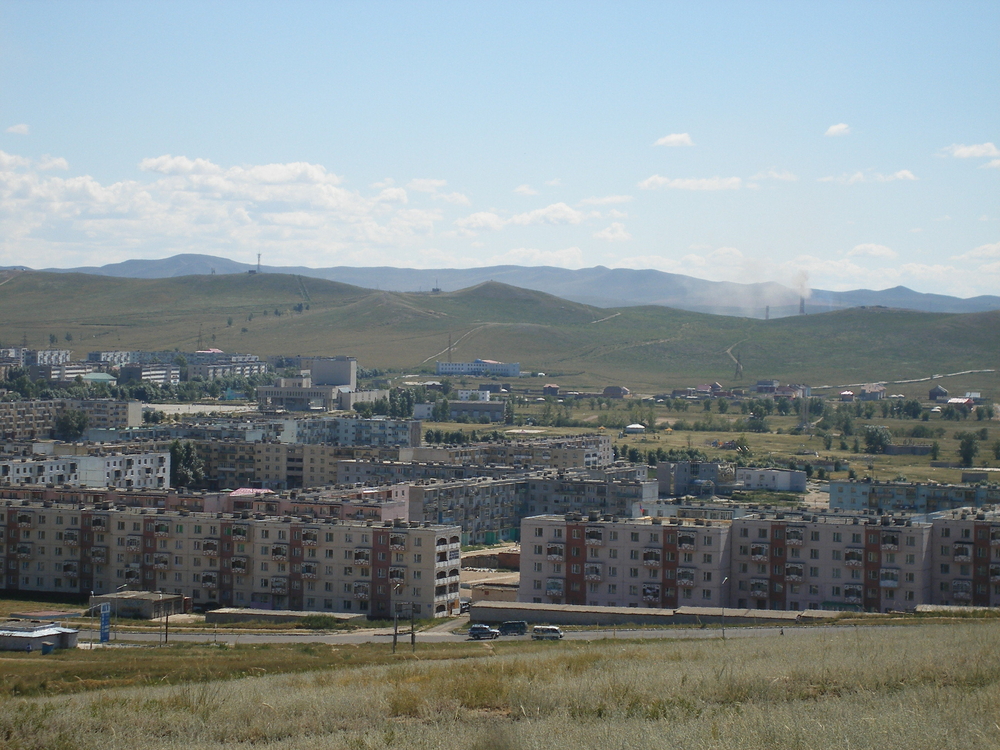
Streets around the historic center preserve isbas with intricately carved and painted window ornaments. This vernacular architectural heritage contrasts sharply with neighboring Soviet apartment blocks.
The Museum of Buryat History
Its collections span steppe archaeology, traditional Buryat costumes, shamanic instruments, and Buddhist thangkas. Among the best-equipped regional museums in eastern Siberia.
Etiquette and Visiting Rules
- Remove your shoes before entering prayer halls in the datsan temples.
- Walk around stupas and prayer wheels in a clockwise direction.
- Avoid photographing religious ceremonies without prior permission.
- Dress modestly (shoulders and knees covered) within the monastery grounds.
Photography Tips
The Lenin head photographs best in late afternoon, when raking light emphasizes the bronze's contours. For Ivolginsky Datsan, early morning offers soft light and fewer visitors. The wooden houses of the center are most photogenic under overcast skies, which soften contrast.
Location and Access
Ulan Ude sits in eastern Siberia, roughly 100 kilometers east of Lake Baikal and a few hours by train from the Mongolian border. The railway station is served by the Trans-Siberian (Moscow–Vladivostok line) and the Trans-Mongolian (route to Ulan Bator and Beijing). The airport offers flights to Moscow, Irkutsk, and Ulan Bator. Within the city, public transport (buses, marshrutkas) connect main sites.
Nearby Attractions
- Lake Baikal — the world's largest freshwater lake by volume, accessible by train or car from Ulan Ude.
- Ivolginsky Datsan — seat of Russian Buddhism, some 30 kilometers from the center.
- Ulan Bator — Mongolia's capital, connected by the Trans-Mongolian train in roughly one night.
Frequently asked questions
Summer (June–August) offers pleasant temperatures and long daylight hours. Winter is extremely cold, with temperatures dropping well below −20 °C, yet the atmosphere is striking.
Most Western nationals require a Russian visa. Check entry requirements with your country's Russian embassy before departure, as regulations change.
Yes. Irkutsk and Baikal's western shore are accessible by train from Ulan Ude. The eastern shore (Baikal-Baikalsk) is even closer. Plan at least two additional days.
The monastery is generally accessible throughout the year. Buddhist ceremonies follow the lunar calendar; check locally to attend a service.
One day suffices for Soviets Square, the wooden quarter, and the History Museum. Add half a day for Ivolginsky Datsan.
Interested in this visit?
We can include it in your personalised itinerary.