Khui Doloon Khudag
Khui Doloon Khudag
Khui Doloon Khudag, a steppe plain 40 km southwest of Ulaanbaatar, is the stage for the Naadam national horse races.
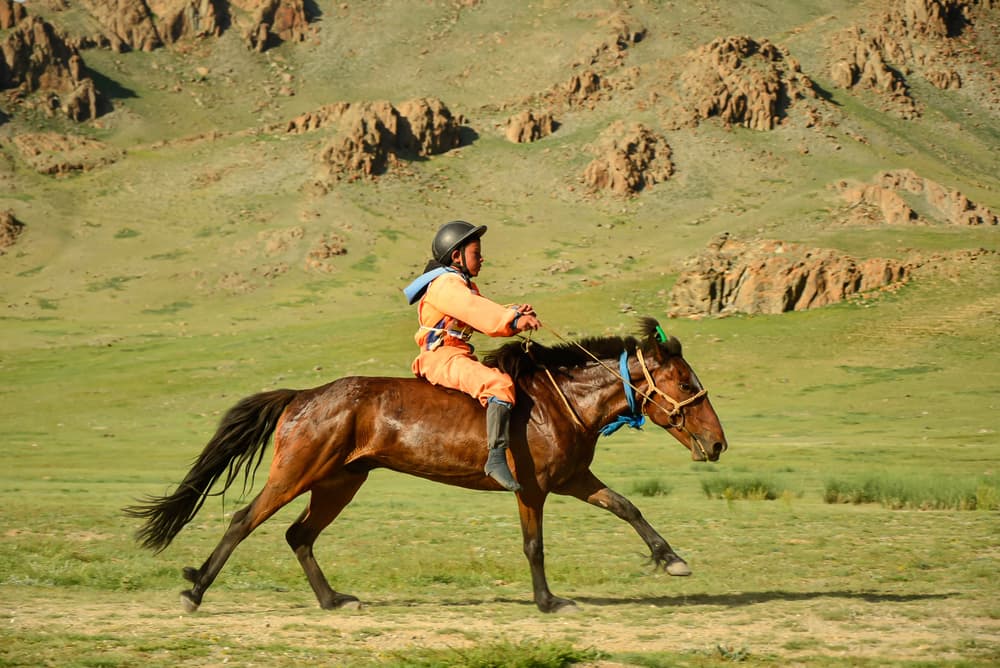
Khui Doloon Khudag is a vast plain located some forty kilometers southwest of Ulaanbaatar. This site hosts the national Naadam each year, the grand horse races that form the sporting heart of Mongolia's most important festival. Far from the city, the steppe unfolds for miles: here, riders—often children—cross the finish line after journeys covering dozens of kilometers.
Quick Facts at a Glance
Access: Special shuttles and buses from Ulaanbaatar during Naadam (early July); taxis and private vehicles available year-round.
Peak season: Naadam festival, typically July 11–13.
Recommended duration: Half-day to full day during the races.
Dress code: No restrictions, but bring warm layers—steppe winds can be brisk even in summer.
Accessibility: Grassy and dirt terrain; wheelchair access is challenging.
What You'll See
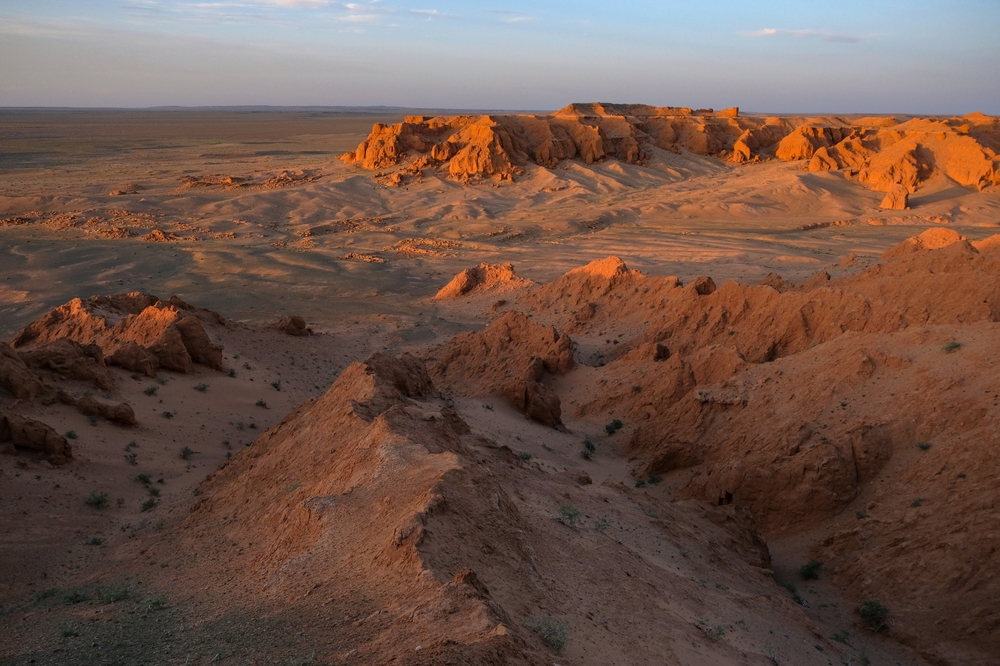
The site presents itself as an immense natural meadow framed by gentle hills. During Naadam, hundreds of gers line the track's edge, vendors offer airag (fermented mare's milk) and grilled meat. The finish line is surrounded by temporary grandstands and flags. Outside the festival, the plain reverts to its quiet steppe character, inhabited by nomadic herders.
History and Context
Naadam—"the three manly games" (wrestling, archery, horsemanship)—has been celebrated since the era of Genghis Khan. The races at Khui Doloon Khudag are the country's most prestigious. Horses cover distances ranging from 15 to 30 kilometers depending on their age category. Jockeys are children aged 5 to 13, selected for their light weight. The site was established as the national racecourse during the Soviet era and has remained the reference venue for Naadam ever since.
Highlights of Your Visit
The Arrival of the Horses
The most intense moment: the first horses burst from the steppe in a cloud of dust. The crowd surges forward, families searching for their young jockeys. The emotion is raw, without tourist staging.
Rituals Around the Horses
After each race, the top five horses receive sung blessings (giingoo). The horse finishing last in the foal category also receives a special song—a tradition wishing it better fortune in the coming year.
The Camp Atmosphere
The gers erected around the site form an ephemeral village. It's a chance to taste nomadic cuisine, observe traditional dress (deel), and chat with families from every province of Mongolia.
Photography Tips
Early morning light is ideal before dust clouds rise from the galloping horses. Position yourself along the track's sides rather than directly ahead: you'll capture the steppe's depth in your background. A telephoto lens is useful for capturing jockeys in action. No known photography restrictions apply to the general public.
Location and Access
Khui Doloon Khudag lies roughly 40 kilometers southwest of Ulaanbaatar, toward the steppe. During Naadam, organized buses and shuttles depart early each morning from various points in the capital. Outside the festival, a private vehicle or negotiated taxi remains the most practical option. The terrain is unpaved as you approach the site.
Nearby Attractions
Ulaanbaatar — the capital, your essential starting point for reaching the site and exploring museums and monasteries.
Gandantegchinlen Monastery — Mongolia's principal Buddhist monastery, worth visiting before or after Naadam.
Terelj National Park — valleys and rock formations east of Ulaanbaatar, easily combined into your itinerary.
Genghis Khan Statue at Tsonjin Boldog — an immense equestrian statue roughly fifty kilometers from the capital.
Frequently asked questions
The races typically run on July 11–12 as part of the national Naadam festival. The exact dates may shift slightly according to Mongolia's official calendar.
During Naadam, special buses and shuttles depart early each morning from several points in the capital. Outside the festival, a taxi or privately hired vehicle with driver is the simplest solution.
Access to the general viewing area around the track is often free during Naadam. Reserved seating in grandstands may require a ticket; check with your local operator before departure.
Yes, the plain is accessible year-round. Beyond festival season, the site is peaceful—open steppe and nomadic herders—with no special tourist infrastructure.
Dress in layers: the sun can be strong but steppe winds cool things quickly. Closed-toe shoes are recommended for grassy and dirt terrain.
No general restrictions are known for the public. However, respect families and post-race rituals by asking permission before photographing people at close range.
Want to discover this destination?
Our local advisors design your tailor-made trip.