Mankhan
Mankhan
Mankhan is a soum (district) of Khovd Province in western Mongolia. Nestled between semi-arid steppe and the foothills of the Altai, this rural settlement serves as a gateway
Mankhan is a soum (district) of Khovd Province in western Mongolia. Nestled between semi-arid steppe and the foothills of the Altai, this rural settlement serves as a gateway to explore a region off the beaten path, home to Kazakh and Khalkha families still living in gers. The economy relies on nomadic herding; daily life revolves around livestock, the seasons, and traditional celebrations.
What to see
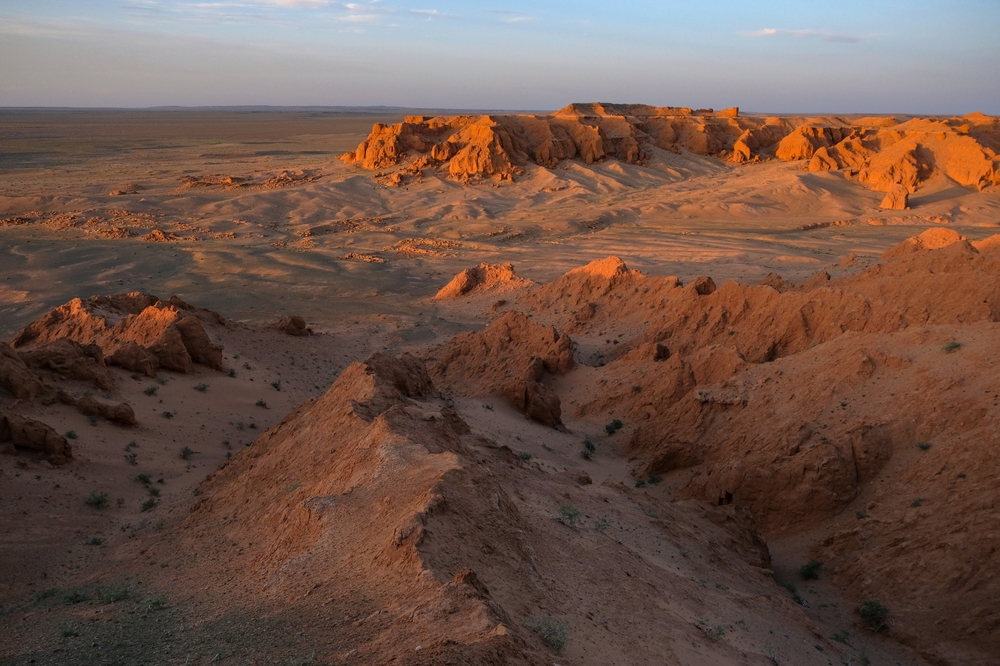
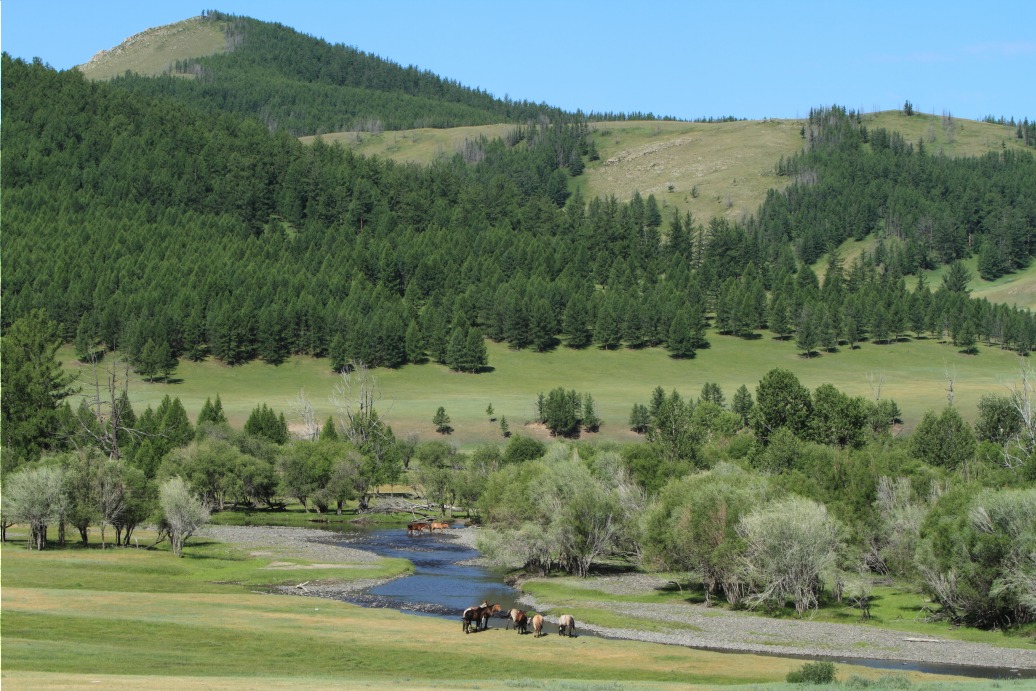
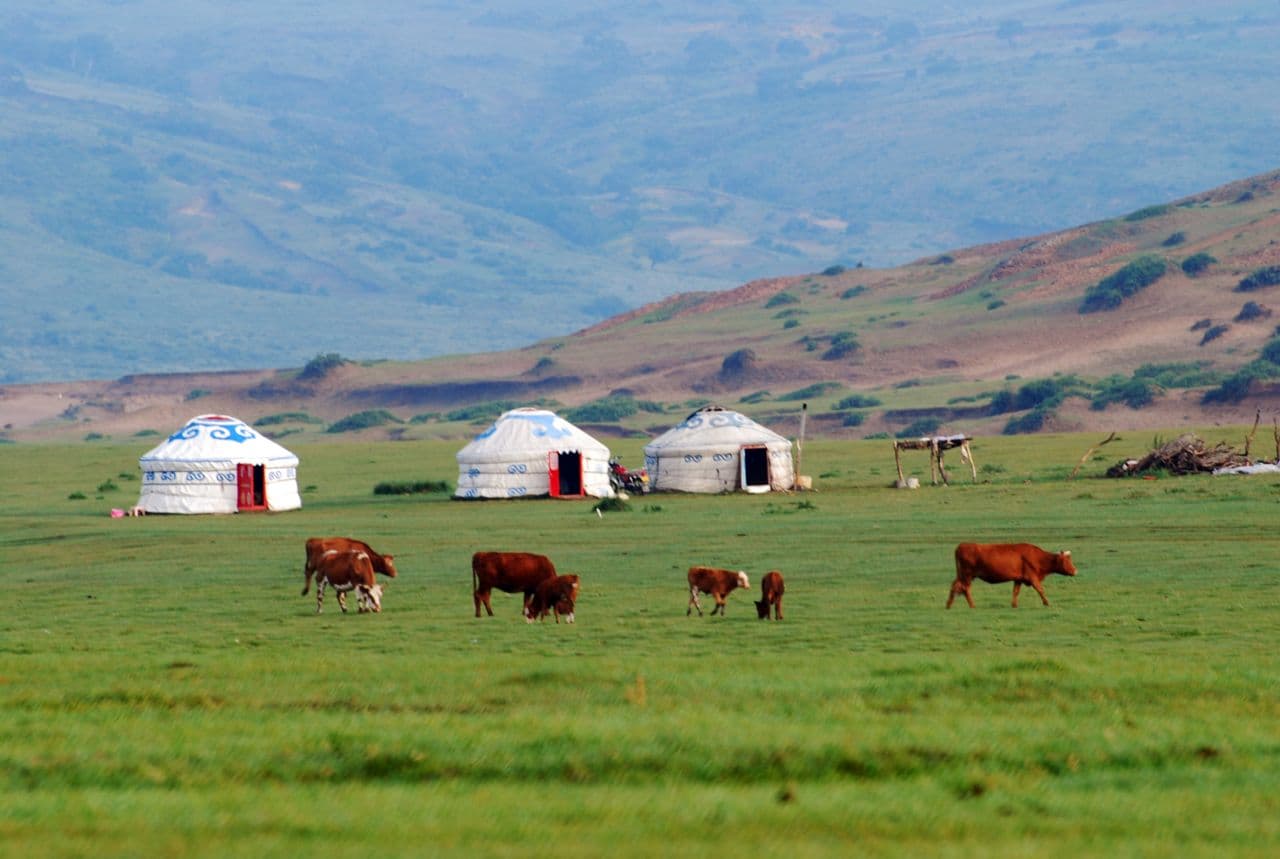
The landscape is dominated by open steppe dotted with rocky hills. Ger encampments move according to pasture availability. At the settlement's edges, a few Soviet-era buildings stand alongside modest dwellings. Nomadic life—mare milking, koumiss-making, wool felting—unfolds directly within host families' camps.
History and context
Khovd Province was long a strategic border zone between the Qing Empire and Central Asian khanates. Mankhan, like most soums in the region, took shape during the Soviet era around a livestock cooperative (negdel). After 1990, the privatization of herds restored traditional mobility to families. The Kazakh presence in this part of Khovd traces back to 19th-century migrations.
Highlights of a visit
Stay with a nomadic family in a ger
Accommodation with a nomadic family remains the central experience. You share meals (mutton broth, tsuivan, koumiss), observe herd management, and depending on the season, witness shearing or felting. Host etiquette—entering from the left, accepting a cup with both hands—should be respected.
Steppe and mountain landscapes
The surrounding area offers horseback and hiking trips to hills with sweeping views across the Khovd plain. Rocky formations and seasonal rivers structure a territory largely untouched by mass tourism.
Kazakh craftsmanship
Across the Khovd region, some Kazakh families still practice shirdak embroidery (colorful felts) and carpet-making. A stay in Mankhan can be an opportunity to observe or acquire these pieces directly from the artisans.
Photography tips
Low-angle morning and evening light is ideal for photographing gers and livestock against the steppe backdrop. Always ask permission before photographing people or the interior of a ger—any refusal must be respected without insistence. Windy days stir up dust that can obscure backgrounds.
Location and access
Mankhan lies in Khovd Province in western Mongolia. The town of Khovd (the provincial capital) is the logical entry point: it has an airport served from Ulan Bator. From Khovd, Mankhan is accessible by track in a 4×4 vehicle; distances and travel times vary depending on track conditions and season. No regular public transport is guaranteed—a private vehicle arranged through a local agency is recommended. Accessibility for people with reduced mobility is very limited due to the unimproved terrain.
Nearby attractions
Khovd — provincial capital, bustling market and regional museum showcasing Kazakh and Mongolian history of the Altai.
Khar Us Nuur Lake — major nature reserve in Khovd Province, an important wetland for migratory birds.
Mongolian Altai — a UNESCO World Heritage massif, accessible from Khovd Province, featuring petroglyphs and alpine landscapes.
Frequently asked questions
Frequently asked questions
Summer (June–August) offers mild temperatures and active pastures. The Naadam festival (July) is celebrated locally with wrestling, archery, and horse races. Spring and autumn are possible but tracks may be difficult after rains.
The usual route includes a flight from Ulan Bator to Khovd, then a 4×4 journey from Khovd to Mankhan. Book the vehicle and driver through a local agency specializing in western Mongolia.
No religious dress code is imposed, but modest, practical clothing is advised. Avoid very short shorts out of respect for local customs. Warm layers are essential, even in summer, as steppe nights are cool.
Yes. A logical itinerary pairs Mankhan with Khovd town, Khar Us Nuur Lake, and for travelers with more time, the petroglyphs of the Mongolian Altai. Plan for a minimum of five to seven days in the region.
Very little. Mongolian and, in some families, Kazakh are the languages of daily life. A local English-speaking guide is essential for communication and to facilitate exchanges with host families.
Want to discover this destination?
Our local advisors design your tailor-made trip.