Shiliin Bogd
Shiliin Bogd
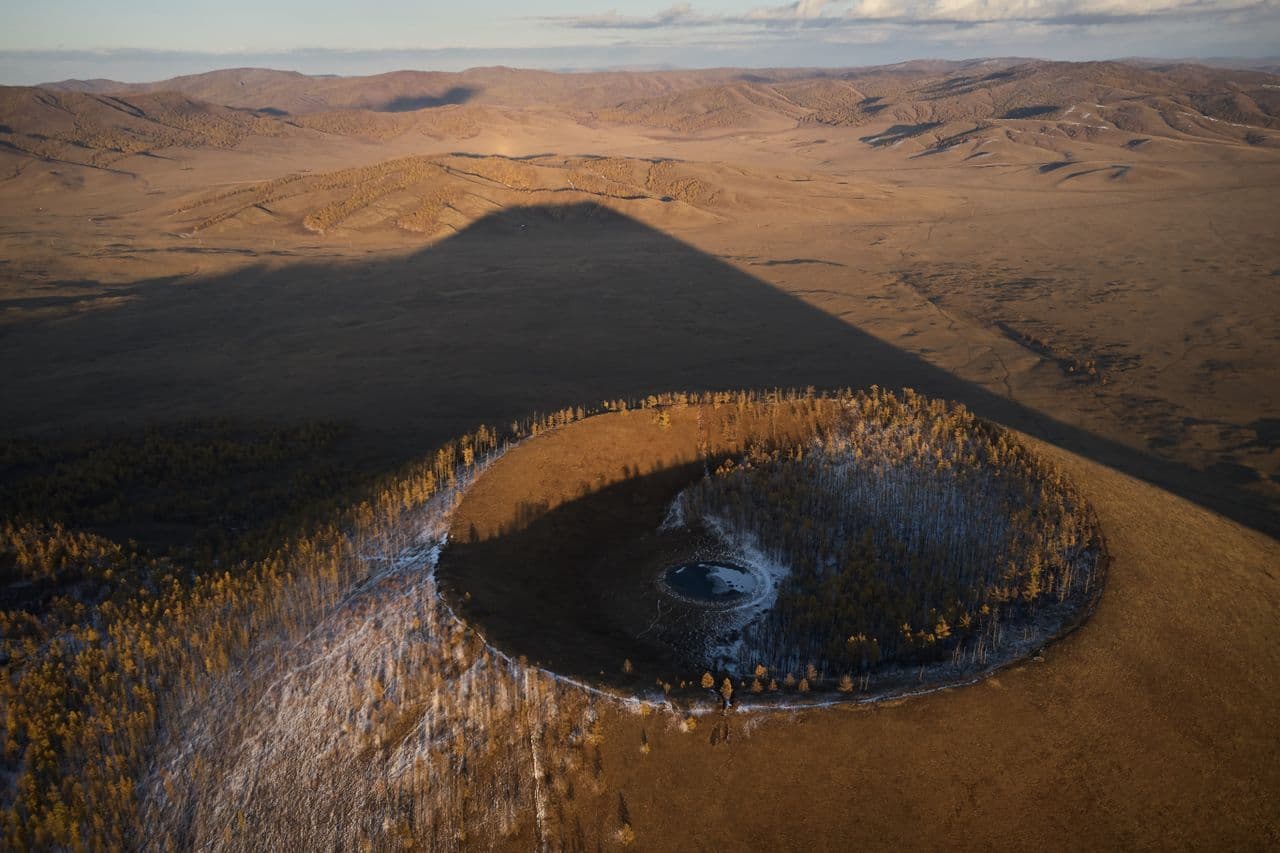
Shiliin Bogd Uul is an extinct volcano standing at approximately 1,778 meters in the steppes of Sükhbaatar Province in eastern Mongolia
Shiliin Bogd Uul is an extinct volcano standing at approximately 1,778 meters in the steppes of Sükhbaatar Province in eastern Mongolia. A sacred summit for Mongolian people, it marks the border with China and commands views across boundless grasslands. Its distinctive conical silhouette, visible from afar, makes it a major natural and spiritual landmark in the region's eastern steppes.
What to See
The well-preserved summit crater offers a 360° panorama across the Mongolian steppe and, on clear days, into Chinese territory. The volcano's flanks are blanketed in dark volcanic rock and low vegetation. An ovoo — a traditional Mongolian ritual cairn — stands at the peak, adorned with blue silk scarves (khadag) and offerings left by pilgrims.
History and Context
Shiliin Bogd literally means "saint of the steppes" in Mongolian. The site has been venerated for centuries as a sacred mountain (bogd uul). It is associated with local shamanist and Buddhist traditions. Its position on the frontier also gives it historical geopolitical significance: it long served as a landmark for nomadic tribes and territorial demarcations.
Highlights of Your Visit
Ascending the Crater
The climb from the base follows a rocky path across volcanic terrain. The ascent takes between one and two hours depending on pace. The shallow summit crater can be explored on foot in a few minutes.
The Ovoo and Rituals
The ovoo at the summit is an active place of prayer. Visitors traditionally circle it clockwise and leave behind a stone or symbolic offering. Observing this ritual is a sign of respect for local culture.
The Eastern Steppe Panorama
The Sükhbaatar steppe stretches endlessly from the summit. As one of the few elevated vantage points in this flat region, the view is particularly striking.
Etiquette and Visiting Rules
Ovoo: circle clockwise; do not step over the ovoo.
Offerings: leaving a stone or symbolic object is welcome; avoid leaving rubbish.
Behavior: the summit is a sacred place — speak softly and show respect.
Border: the site is near the Sino-Mongolian border; respect marked zones and local authority instructions.
Photography Tips
Morning and evening light is ideal for photographing the crater and ovoo with the steppe as backdrop. The eastern steppe's sky, often clear, favors long-lens shots toward the horizon. Ask pilgrims' permission before photographing them during rituals.
Location and Access
Shiliin Bogd Uul lies in eastern Sükhbaatar Province, near the Chinese border. The nearest town is Baruun-Urt, the provincial capital. Access is exclusively by four-wheel-drive vehicle (4×4) via unpaved tracks across the steppe — a local guide or experienced driver is essential. No public transport reaches the site. The journey from Baruun-Urt takes several hours depending on track conditions.
Nearby Attractions
Baruun-Urt — provincial capital of Sükhbaatar, the logistics hub for exploring the eastern steppe.
Eastern Mongolian Steppe — one of Asia's last great intact steppes, home to Mongolian gazelles.
Khalkh Gol — river and site of the 1939 battle (Khalkhin Gol), a historic memorial site in the region.
Frequently Asked Questions
Frequently asked questions
Summer (June-August) is the most accessible period: tracks are passable and weather conditions are favorable. Spring and autumn are possible but tracks may be muddy or snow-covered.
A local guide or driver is strongly recommended. The tracks are unmarked, the site is remote, and proximity to the border means knowing which areas are permitted.
The ascent is moderate, over rocky volcanic terrain. It is accessible to anyone in reasonable physical condition. Bring sturdy hiking boots.
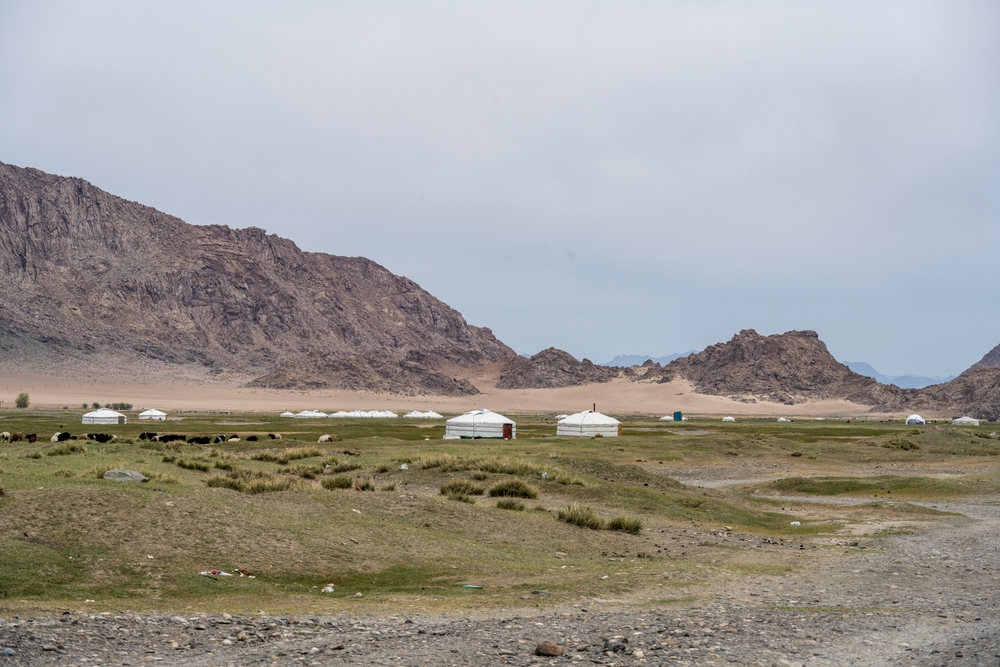
There are no lodging facilities at the volcano's base. Camping in a ger or tent in the surrounding steppe is the typical solution, arranged through a local operator.
The site is near the Sino-Mongolian border. Strictly observe marked zones and official instructions; a border zone permit may be required — check with your operator before departure.
Want to discover this destination?
Our local advisors design your tailor-made trip.