Terkhiin Tsagaan National Park
Terkhiin Tsagaan National Park
Formed by a lava flow, Terkhiin Tsagaan Lake and Khorgo volcano compose one of Mongolia's most singular volcanic landscapes, in the heart of Arkhangaï province.
Terkhiin Tsagaan Nuur National Park stretches across Arkhangaï province, in the heart of central Mongolia. It protects Terkhiin Tsagaan Lake—the "Great White Lake"—formed approximately 20,000 years ago by a volcanic eruption. Extinct volcanoes, open steppe and fish-rich waters compose a high-altitude landscape seldom visited, ideal for hiking, wildlife observation and immersion in nomadic culture.
Practical information at a glance
Entrance: national park entry fee (rate to be confirmed with local administration).
Access: track from Tsetserleg (Arkhangaï capital); 4×4 vehicle essential.
Recommended duration: 2 to 3 days to explore the lake and volcanic cones.
Clothing: warm clothes even in summer—altitude and frequent winds.
Optimal season: June to September; the lake may remain frozen until May.
What you'll see
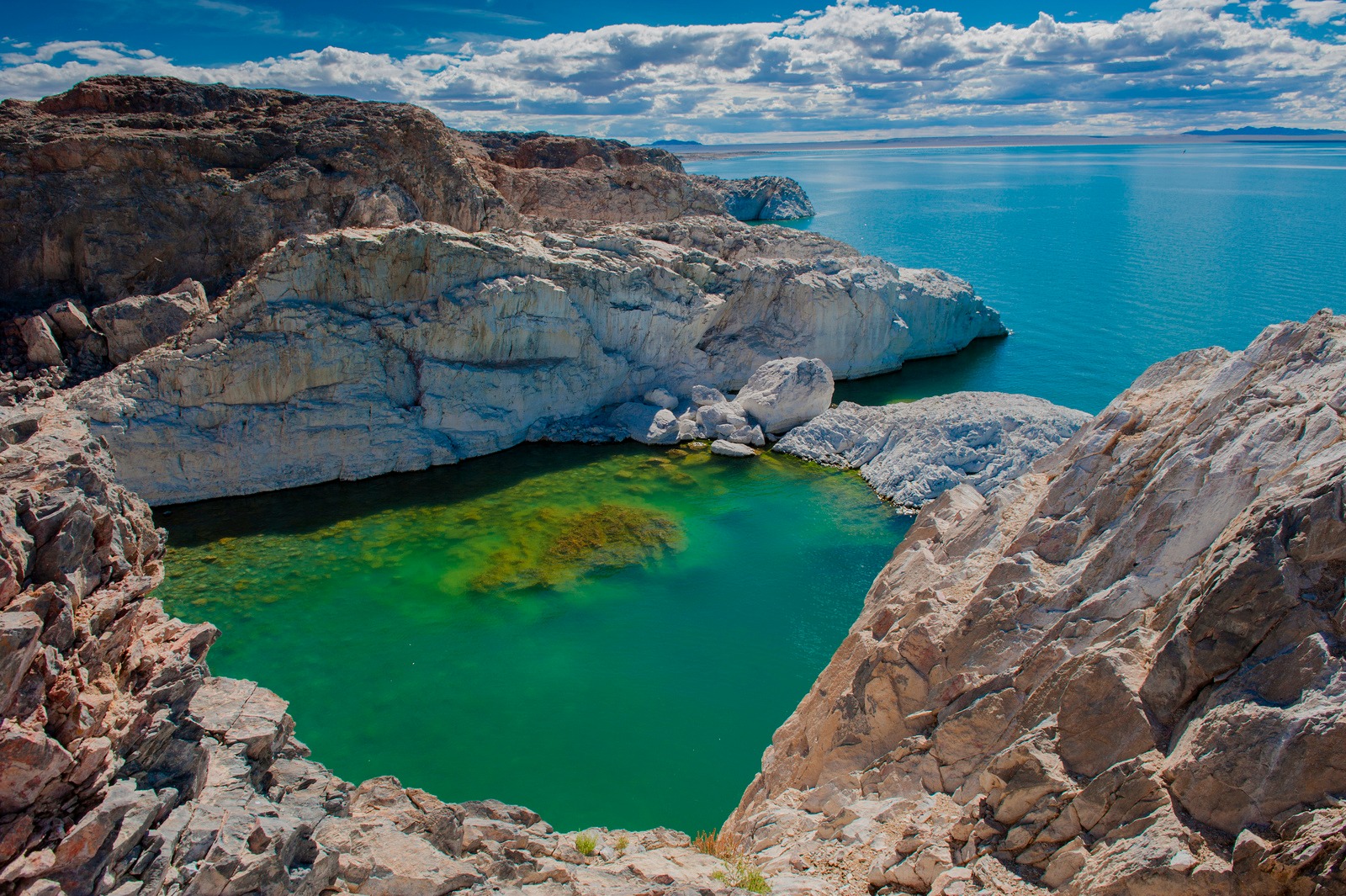
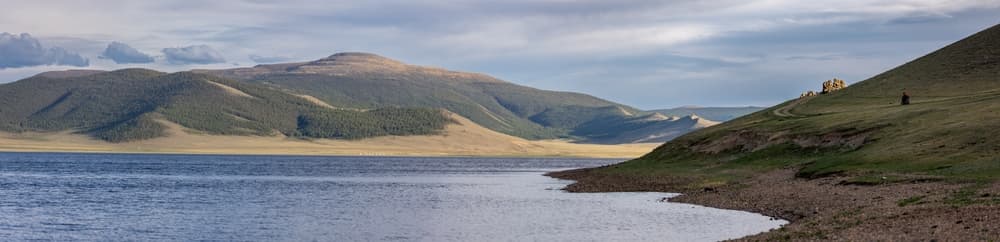
Terkhiin Tsagaan Nuur Lake stretches for approximately 16 km. Its shores welcome ducks, geese and cranes during migration. To the west, Khorgo volcano—extinct—offers a crater accessible on foot from the base. The solidified lava flows that blocked the valley to form the lake remain visible on the northern banks.
History and context
The lake owes its origin to a Quaternary volcanic eruption: lava obstructed the Terkh river, creating a natural basin. The site is mentioned in medieval Mongolian chronicles and remains a place of local legends. The national park was officially established to protect this unique volcanic ecosystem in central Mongolia.
Highlights of your visit
Khorgo volcano
The Khorgo volcanic cone peaks at approximately 2,965 m. The ascent from the base takes less than an hour. The well-preserved crater offers clear views over the lake and surrounding steppe. Partially collapsed lava tunnels line the southern flank.
Terkhiin Tsagaan Lake
The lake's shallow waters shelter pike and perch. Fishing is practised by nomadic families settled on the shores. At sunrise, the surface reflects the volcanic hills—a privileged moment for observing migrating birds.
Nomadic encampments
Herding families pitch their gers on the shores each summer. Some offer accommodation and traditional meals (airag, dried meat). This is one of the rare places where such contact remains spontaneous and unorganized for mass tourism.
Photography tips
Low-angle light at dawn and dusk enhances reflections on the lake and lava textures. From the edge of Khorgo's crater, a wide-angle lens captures both the lake and steppe simultaneously. Avoid midday: light is flat and wind can be strong. No known photography restrictions within the park.
Location and access
The park is located in Arkhangaï province, approximately 80 km west of Tsetserleg by track. From Ulan Bator, allow a full day's drive via Tsetserleg. No regular public transport serves the park: a 4×4 vehicle with English-speaking driver-guide is necessary. Accessibility for visitors with reduced mobility is very limited due to volcanic terrain and unimproved tracks.
Nearby
Tsetserleg — Arkhangaï capital, logistical starting point with market and provincial museum.
Taikhar Chuluu Rock — granite monolith covered in ancient inscriptions, on the route between Tsetserleg and the lake.
Orkhon Valley — UNESCO World Heritage site, accessible from Arkhangaï by continuing south.
Frequently asked questions
June to September. In July-August, the shores are green and migrating birds present. Before June, the lake may still be partially frozen and tracks difficult after snowmelt.
No regulatory requirement, but a local English-speaking driver-guide is strongly recommended: tracks are unmarked and breakdowns in isolated areas are risky without assistance.
Yes. Nomadic families offer ger accommodation on the lake shores in summer. It is also possible to camp with your own equipment, subject to park regulations.
No. The ascent is short and accessible to any hiker in reasonable fitness. The volcanic terrain is uneven: hiking boots are recommended.
Yes. Tsetserleg, Taikhar Chuluu rock and Orkhon Valley fit naturally into a 7 to 10-day circuit from Ulan Bator.
Want to discover this destination?
Our local advisors design your tailor-made trip.