Zuun Lake
Zuun Lake
Zuun Nuur Lake (meaning 'Lake of the East' in Mongolian) lies in Zavkhan Province, in western Mongolia.
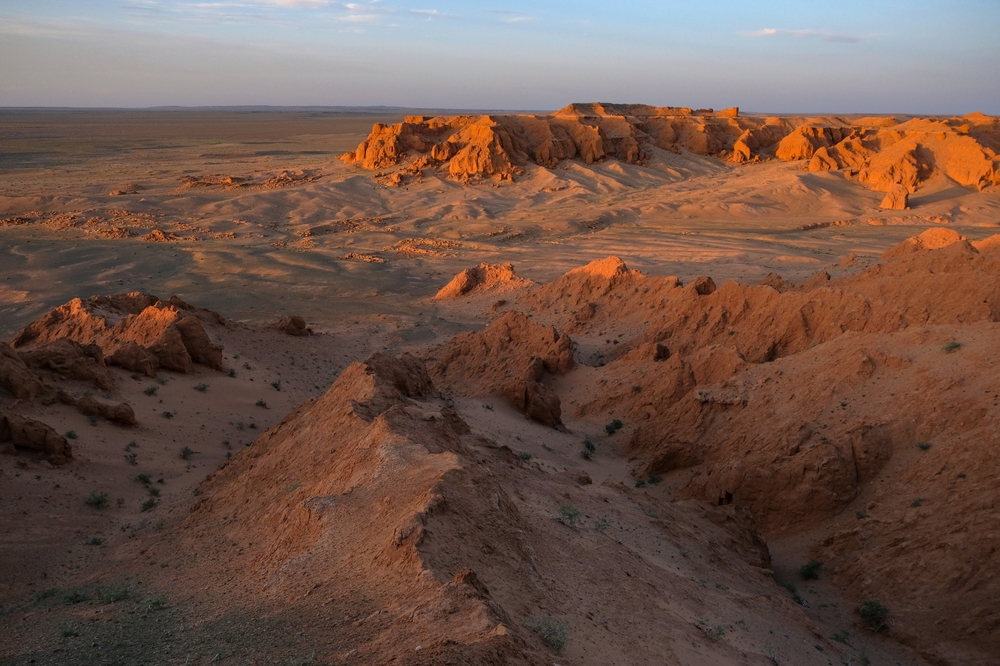
Zuun Nuur Lake (meaning 'Lake of the East' in Mongolian) lies in Zavkhan Province, in western Mongolia. This steppe lake, rarely visited by mainstream tour circuits, draws travelers seeking unspoiled nature and solitude. Its flat shores, bordered by grasslands, offer a landscape typical of Mongolia's vast open spaces, regularly graced by migratory birds and nomadic herds.
What to see
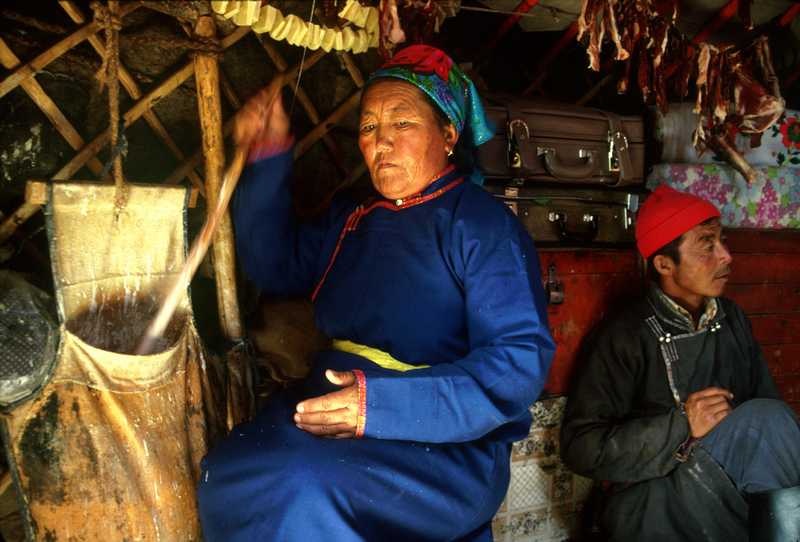
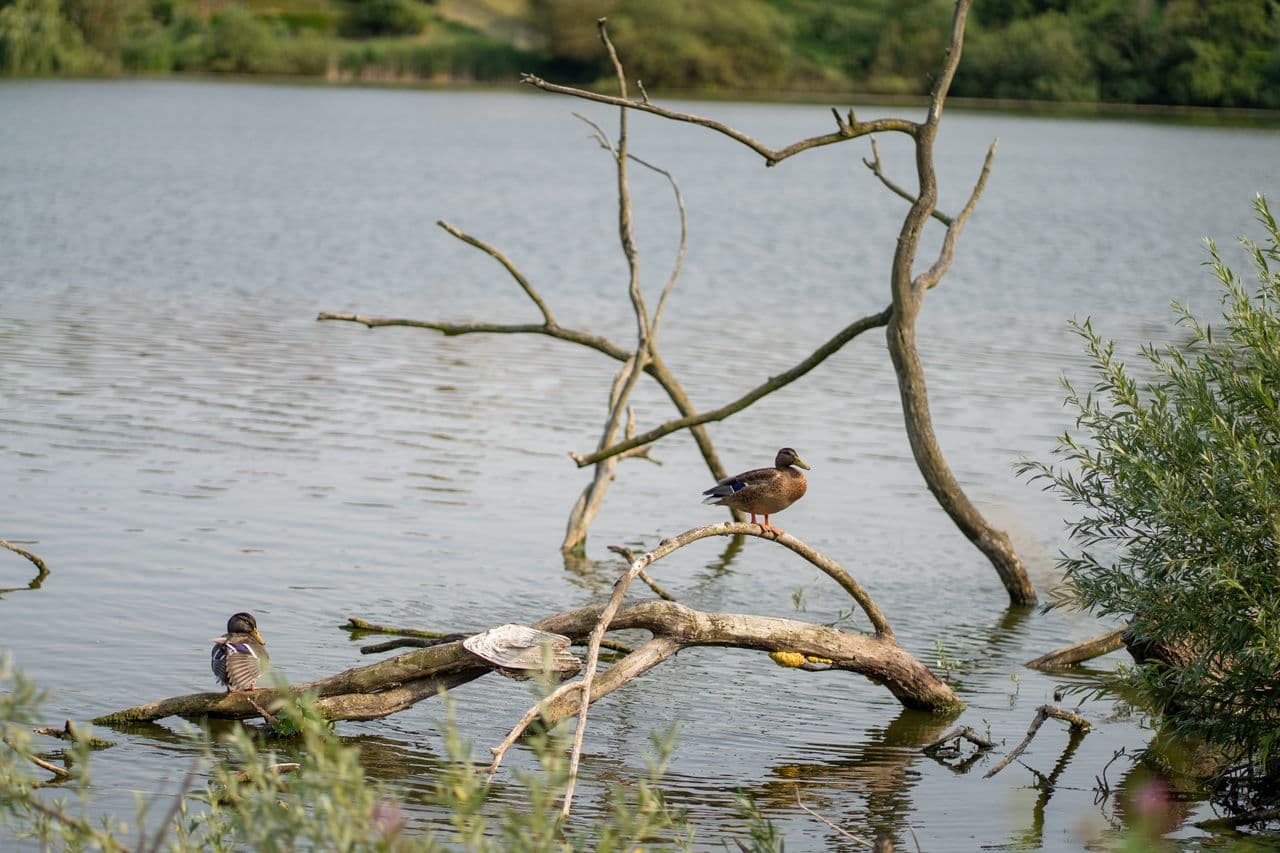
The lake stretches across open steppe landscape, with gentle terrain. Shallow waters attract colonies of waterfowl, notably cranes and wild ducks during spring and autumn migrations. Nomadic families pitch their yurts near the shoreline during the warm season, offering an authentic glimpse into Mongolia's pastoral lifestyle.
History and context
Like most Mongolian steppe lakes, Zuun Nuur is embedded in a territory of ancestral seasonal migration. Herders from Zavkhan Province drive their herds of horses, sheep, and goats to these waters each summer. The region remains off the beaten tourist path, preserving its untouched character.
Photography tips
Morning and evening light sweeps across the steppe, creating golden reflections on the water. Bird migrations (spring, autumn) offer the most animated scenes. Photographing yurts and herds requires seeking permission from nomadic families beforehand — a fundamental courtesy in Mongolia.
Location and access
Zuun Nuur Lake is located in Zavkhan Province, western Mongolia. Access is by 4×4 vehicle from Uliastai, the province's capital. Steppe tracks are passable in summer; outside this season, conditions can make travel difficult. No regular public transport serves the lake. A local guide or an agency based in Uliastai is strongly recommended to organize the journey.
Nearby attractions
Uliastai — Zavkhan's capital, the logistical hub for exploring the region.
Telmen Lake — Another steppe lake in Zavkhan Province, renowned for its waterfowl populations.
Khangai Mountains — A mountain range east of the province, with forests and river valleys.
Frequently asked questions
Frequently asked questions
Summer (June to August) is the most accessible season: tracks are passable and nomadic families are present on the shores. Spring and autumn suit birdwatchers interested in migratory species, but road conditions may be more challenging.
Yes. The lack of signage and public transport makes a local guide or driver essential. An agency based in Uliastai can arrange the journey and facilitate meetings with nomadic families.
Wild camping is common practice in Mongolia on steppe land. It's best to set up at a respectful distance from yurts and leave the area clean. No fixed tourist facilities are available on-site.
In Mongolia, it's customary to ask permission before photographing people or yurts. If invited inside, remove your shoes and accept what is offered — refusing can be perceived as disrespectful.
The site suits travelers comfortable with independent travel in remote settings. The lack of infrastructure (lodging, facilities, nearby rescue services) requires careful planning, especially with young children.
Want to discover this destination?
Our local advisors design your tailor-made trip.