The Ruins of Khar Balgas
The Ruins of Khar Balgas
A forgotten capital of the Uyghur empire, Khar Balgas reveals its ramparts in the heart of the Orkhon Valley, a UNESCO World Heritage site.
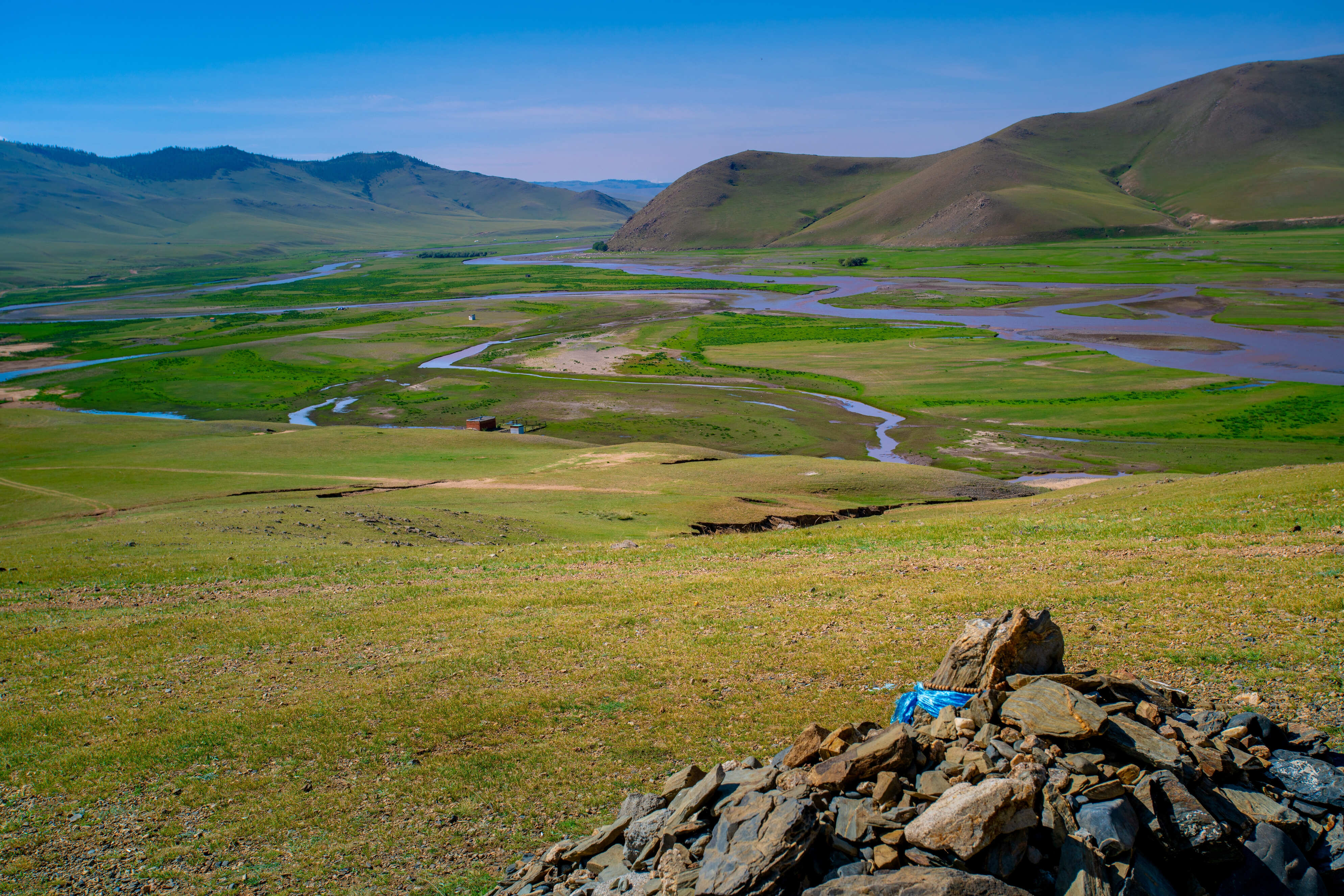
Nestled in the lush plains of Talal-khain-dala stands Ordu-Baliq, precisely situated on the western bank of the Orkhon River in Arkhangai province, not far from the ancient capital Kharkhorin.
Known by the names Mubalik and Karabalghasun, Ordu-Baliq—meaning "the city of armies"—served as the capital of the Uyghur Khaganate. Its ruins are called Kharbalgas, "the black city," and form an integral part of the World Heritage site: "The Cultural Landscape of the Orkhon Valley."
Ordu Baliq was established as a capital in 744. Sprawling across 32 square kilometers, this ancient city was divided into three sections, with a central quarter dedicated to the royal residence and temples. This fortified settlement Ordu-Baliq functioned not only as a military stronghold but also as a commercial warehouse, given its strategic location on the Silk Road. In 840, the city fell to the invasion of the Yenisey Kyrgyzes, a Turkic people, and was destroyed.
Archaeological discoveries reveal that certain districts were devoted to craftsmanship and trade. Today, visitors can observe the ruins of fortifications and remnants of administrative and merchant buildings on the site.
Russian archaeologist Nikolay Yadrintsev made the remarkable discovery of a monument featuring a dragon statue, with a runic inscription at its base honoring the Mongol khans and kings.
Want to discover this destination?
Our local advisors design your tailor-made trip.