Khovd
Khovd
At the foot of the Mongolian Altai, Khovd opens the door to a lesser-known Mongolia: Kazakh eagle hunters, salt lakes, and endless steppes.
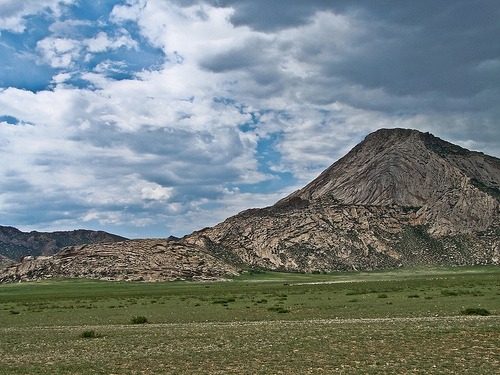
The city of Khovd is the capital of the province of the same name. It sits at 1,405 meters altitude in the Buyant River valley, at the foot of Yamaat Ulaan mountain. The city is home to approximately 28,000 inhabitants, with numerous ethnic minorities represented: Öölds, Khalkhs, Zakhchins, Torguuds, Uriankhais, Myangads, Dörvöds, Bayads, Kazakhs, Chantuus (Uzbeks), and Üzemchins.
Khovd is separated from the capital, Ulaanbaatar, by 1,400 kilometers. The journey takes approximately 40 hours by road. A regular airline also connects the two cities; the flight takes about 2.5 hours.
There is a one-hour time difference between Khovd and Ulaanbaatar.
History
The city was founded by Khan Galdan Boshogt of Züün Gar in the 17th century. It was initially located on the banks of the Khovd River, in what is now Erdenebüren sum. Agriculture developed around the city, drawing expertise from prisoners (primarily Muslim peasants) from Central Asia and Xinjiang.
After 1757, following the destruction of the Züngar Khanate, the city was relocated to the banks of the Buyant River by Qing administration.
On August 7, 1912, Mongolian troops, under the joint command of Manlai Baatur Damdinsuren, Khatanbaatar Magsarjav, and Ja Lama Dambiijantsan, took control of the city, destroyed all Manchu and Chinese garrisons, and abolished Qin power.
Climate
Khovd has a cold desert climate with long, harsh and dry winters and short, warm summers. Precipitation is very low and concentrated during the summer months.
Want to discover this destination?
Our local advisors design your tailor-made trip.