The Mongolian Yurt
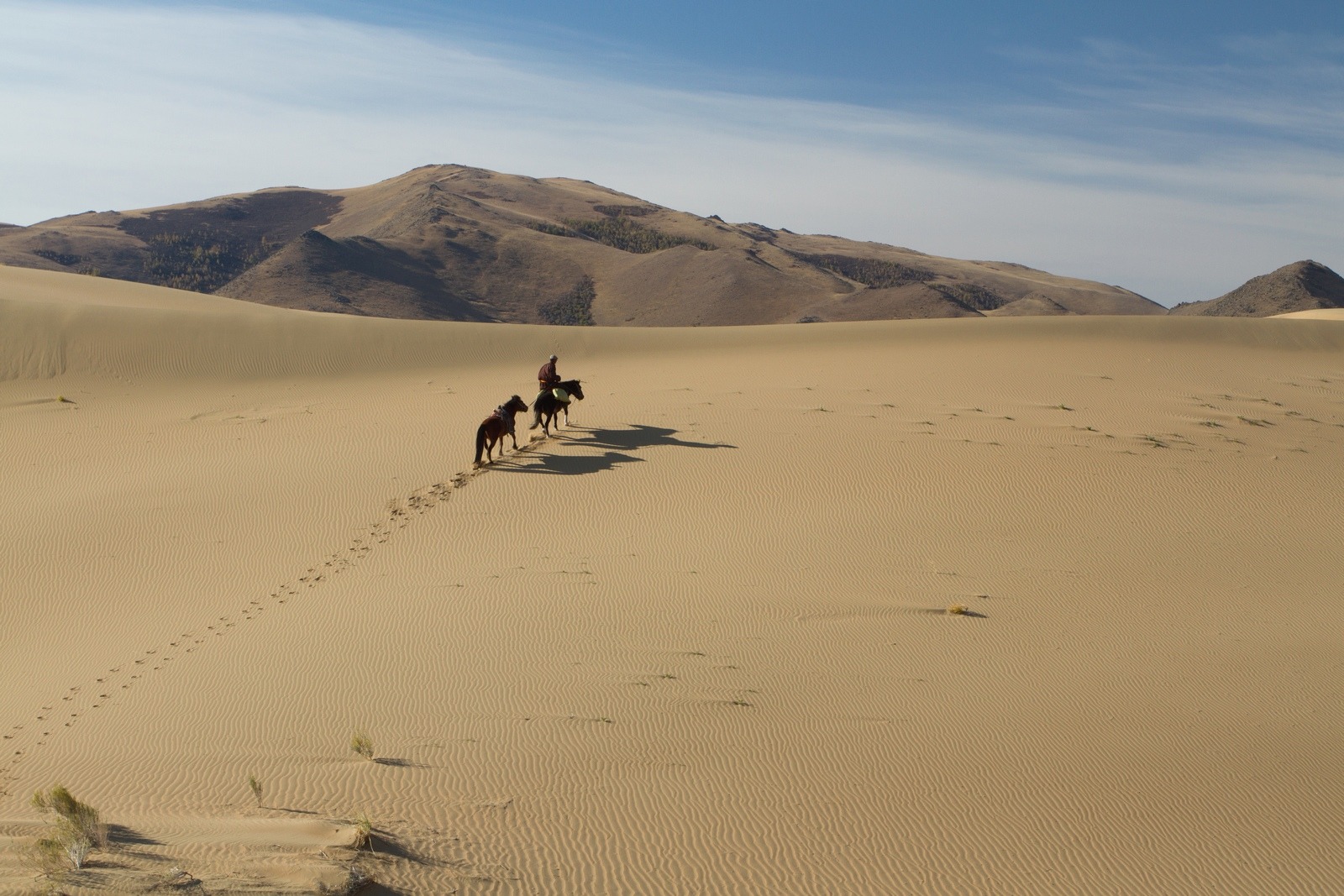
The traditional dwelling of Mongolian people, the yurt—also called a ger—is undoubtedly the symbol of nomadic life in Mongolia.
The traditional dwelling of Mongolian people, the yurt—also called a ger—is undoubtedly the symbol of nomadic life in Mongolia.
When embarking on a trip to Mongolia, travelers hope to discover the fabulous steppes, the Gobi Desert, and other geographical wonders of the country, but they also expect to experience at least one night in a Mongolian yurt in the company of nomads.
Although Mongolia underwent significant urbanization during the second half of the 20th century, more than half of Mongolians continue to live in their traditional dwellings, whether they are nomads in the countryside or permanent residents of towns and villages.
A Brief History of the Mongolian Yurt
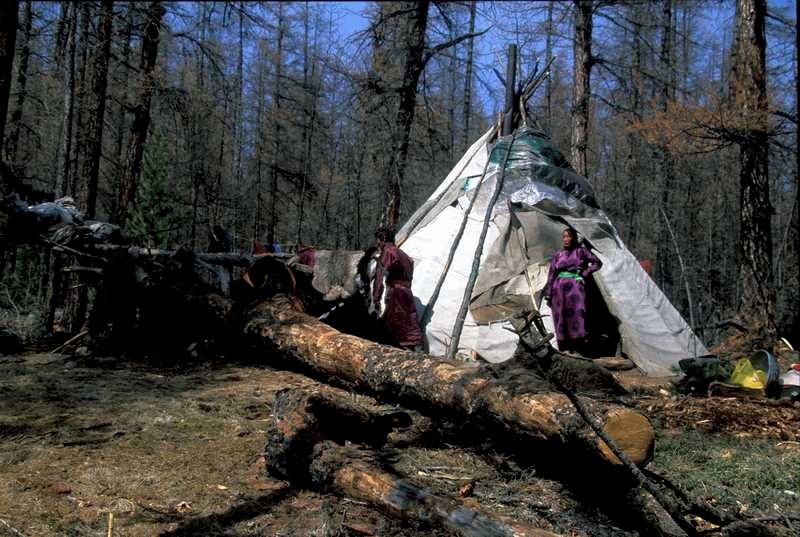
The Mongolian yurt appeared approximately 2,000 years ago and has evolved substantially over the centuries. The yurt almost certainly descends from the orts, a simple shelter still used by the Tsaatans (reindeer herders), consisting today of a kind of tipi covered with animal hides.
The discovery of felt allowed the early Mongols to insulate their dwellings easily and effectively, laying the foundations for what would become the first yurts. Images of gerlugs, or yurt carts, have been found on more than fifty murals dating to the Bronze Age. William of Rubruck, a French traveler who visited Mongolia in 1253, describes the Mongolian yurts of his time in his book Journey to the Land of the East:
"They set their houses on wheels, and woven branches serve as walls for the house. The walls are joined at the top forming the neck of the house. They are covered with white felt, and the latter is often coated with lemon powder or bone powder to make it sparkle. They sometimes place a black felt decoration over the roof opening, adorned with beautiful designs on various themes. At the entrance of the house, they hang a felt covered with colorful fabrics, and vines, trees, birds, and animals are reproduced in colored felt."
The mobile yurts of the 13th century were spacious, with the width between the wheels of a wagon cart reaching up to six meters: Rubruck counted 22 oxen pulling a yurt cart. The largest yurts in history were the palaces of the khans (orda ger), used to receive foreign representatives, for important meetings, and so forth. The palace yurts were decorated with valuable animal hides (tiger, lion, etc.). The pillars and frame parts were adorned with gold. A replica of the yurt of Abtai Sain Khan, which had fifteen walls and 150 branches, is displayed in Ulaanbaatar along the Selbe River.
From the Middle Ages onward, nomads modified the yurt somewhat, making it lighter and more mobile to facilitate transport. The most noticeable structural change occurred in the roof. It once had a tall, pointed neck that was quite contrary to the dome-shaped roof of the modern yurt.
To learn more: nomadism in Mongolia
Several important technological changes were introduced in the 20th century:
- The replacement of the tulga (fire on the ground) with a closed stove, allowing smoke to be evacuated more easily from the house;
- The replacement of the felt flap at the entrance with a solid wooden door;
- The use of beds instead of animal hides or felt padding;
- The introduction of a white cotton shell on the outside of the yurt, improving the appearance of the house…
What Makes Up a Yurt?
The base of the yurt is formed by several wall sections composed of a foldable lattice made of cedar wood. These sections are typically 4 or 5 in number. Then, some important elements are added to these sections to complete the yurt:
- A low wooden door,
- Two central columns supporting the yurt,
- The tono, a cylindrical roof frame consisting of approximately 80 branches.
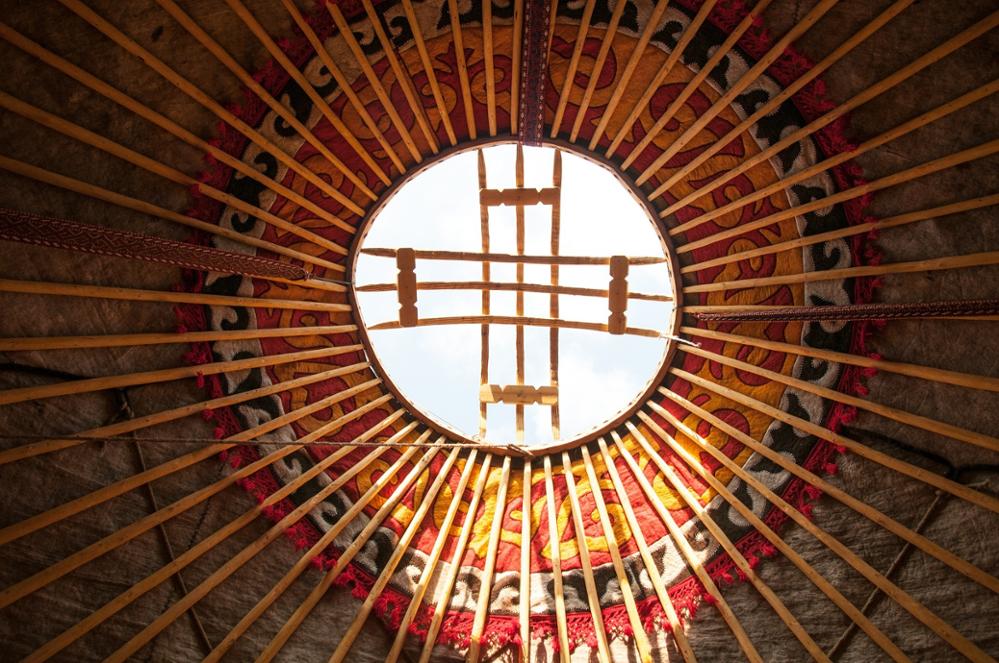
To assemble the yurt, the wall sections are unfolded and attached together to form a cylinder. The door is then attached to the framework formed this way using straps running along the walls. Next, the roof is fixed to the two support posts and raised to the center of the yurt. The branches are then fitted between the roof frame and the walls. Several large pieces of felt are attached together on the outside of the yurt for insulation, and finally, it is covered with a white cotton shell.
To learn more: How is a yurt assembled?
Traditional Layout of the Mongolian Yurt
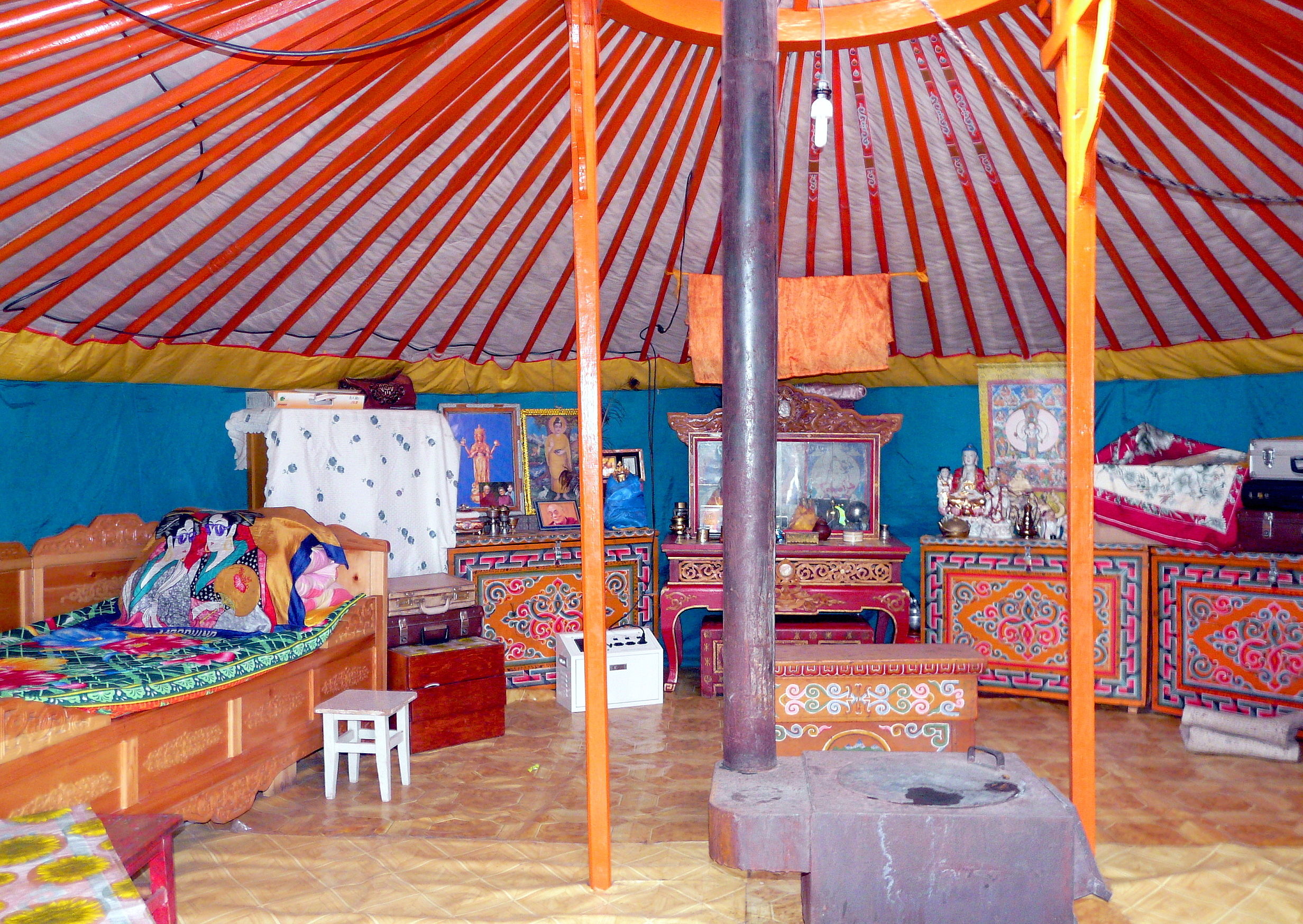
The modern yurt has the advantage of retaining heat in winter, thanks to the excellent insulation properties of felt, and of being highly portable. A yurt can be assembled or dismantled in just 30 minutes. The yurt is always assembled and decorated in strict accordance with traditions:
- The yurt door must always face south (or slightly southeast), toward the sun.
- The stove, used for heating and cooking, is placed directly in the center of the yurt, with its opening facing east.
- A basket of fuel and tongs are kept in front of the stove.
The yurt is divided into two parts, with men occupying the western side and women the eastern side. Thus, all equipment associated with male activities—including the airag sack (kumiss), saddles, branding irons, and hunting rifles—are kept on the left side of the house near the door, while the tools of women's work—kitchenware, water barrels, and the teapot—are kept on the right side of the entrance.
Beds are placed on each side of the yurt, to the north of the storage area. The family's valuables are kept at the back of the yurt, the part associated with respect.
Each family owns one or several wooden chests at the back of their yurt. Clothes, money, and other valuable items are stored there, and religious icons, books, family photographs, and so forth are displayed above.
Your stay in Mongolia will be a wonderful opportunity to experience a night with a local family in a yurt. You will then discover the daily life of nomads as well as all the customs surrounding the yurt. To get a first glimpse of the rules to follow in a yurt, visit our article: Staying in yurts: 5 rules to follow.