Equestrian Statue of Genghis Khan
Equestrian Statue of Genghis Khan
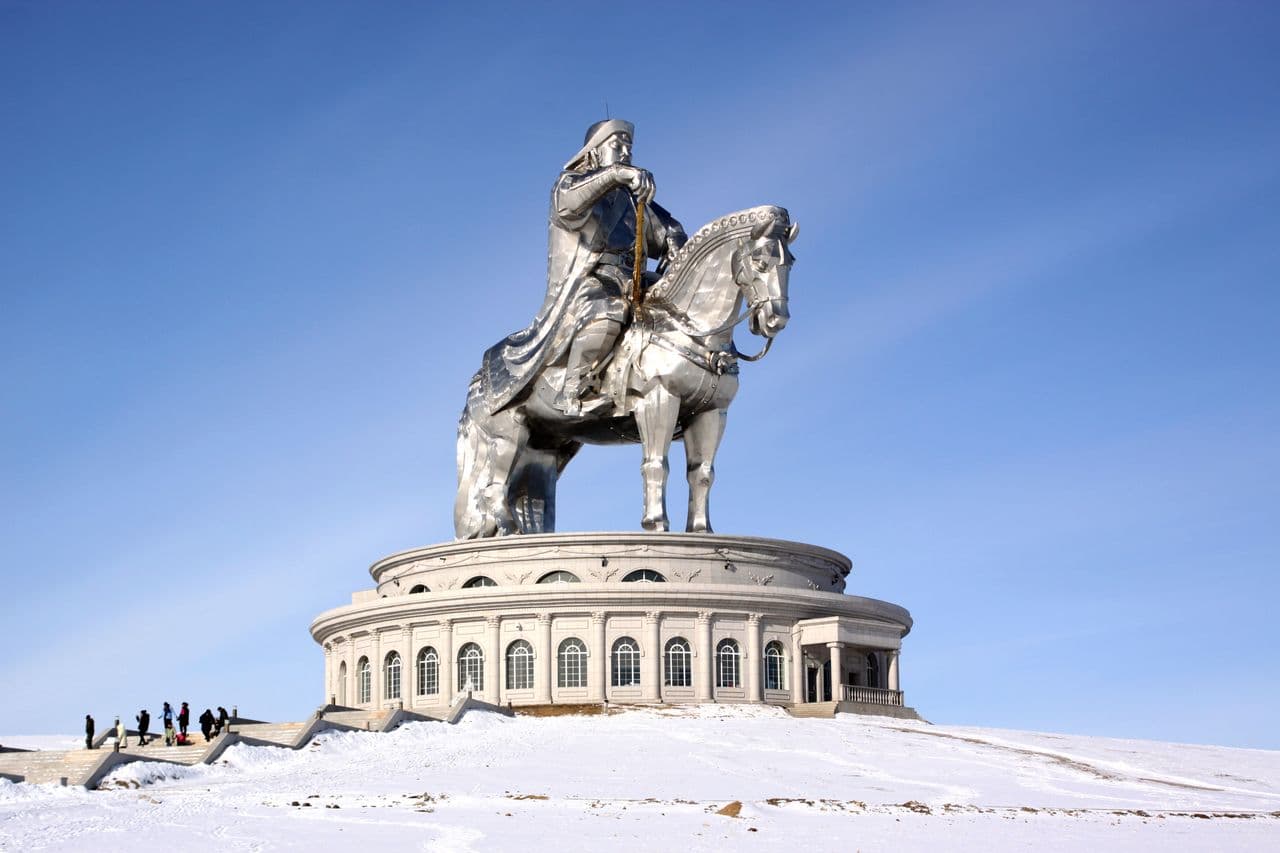
At Tsonjin Boldog, on the banks of the Tuul River, a colossal equestrian statue of Genghis Khan rises above the Mongolian steppe.
At Tsonjin Boldog, on the banks of the Tuul River, a colossal equestrian statue of Genghis Khan rises above the Mongolian steppe. Standing 40 meters high and entirely clad in stainless steel, it ranks among the world's largest equestrian monuments. Inaugurated in 2008 to mark the 800th anniversary of the founding of the Mongol Empire, it commemorates the legendary spot where the young Temüjin is said to have discovered a golden whip—an omen of his future greatness.
Quick Facts at a Glance
Admission: paid entry (ticket includes access to the base museum and the statue's head)
Recommended duration: 1.5 to 2 hours on-site
Access: car or taxi from Ulaanbaatar (paved road, approximately 54 km east); no direct public transport
Dress code: no specific restrictions
Accessibility: the ground floor and museum are accessible; climbing to the head involves stairs and a partial elevator
What to See
The statue rests on a 10-meter cylindrical base housing a museum devoted to the era of Genghis Khan: armor, saddles, objects from nomadic life, and reconstructed gers. An elevator followed by an interior staircase leads to the horse's head, converted into an observation deck. From there, views sweep across the steppe and Tuul Valley in all directions.
History and Context
Temüjin, born around 1162, unified the Mongol tribes and founded the Mongol Empire in 1206—the largest contiguous empire in history. The statue was commissioned by the Genco Tour Bureau and inaugurated on November 26, 2008. Its location at Tsonjin Boldog is not arbitrary: Mongol chronicles place the discovery of the golden whip here, a symbol of imperial destiny. The stainless steel cladding reflects the light of the steppe and evokes the modernity of independent Mongolia.
Highlights of Your Visit
The Observation Deck in the Horse's Head
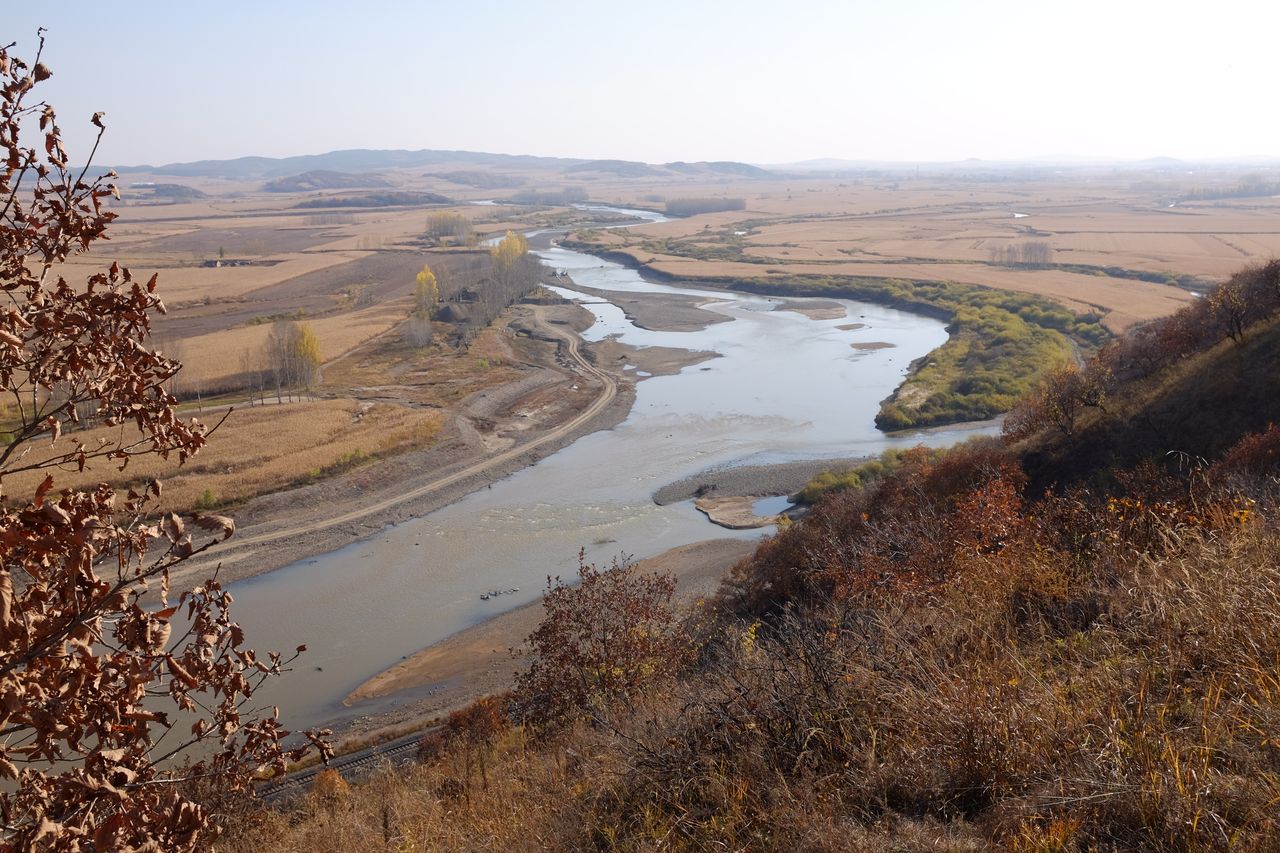
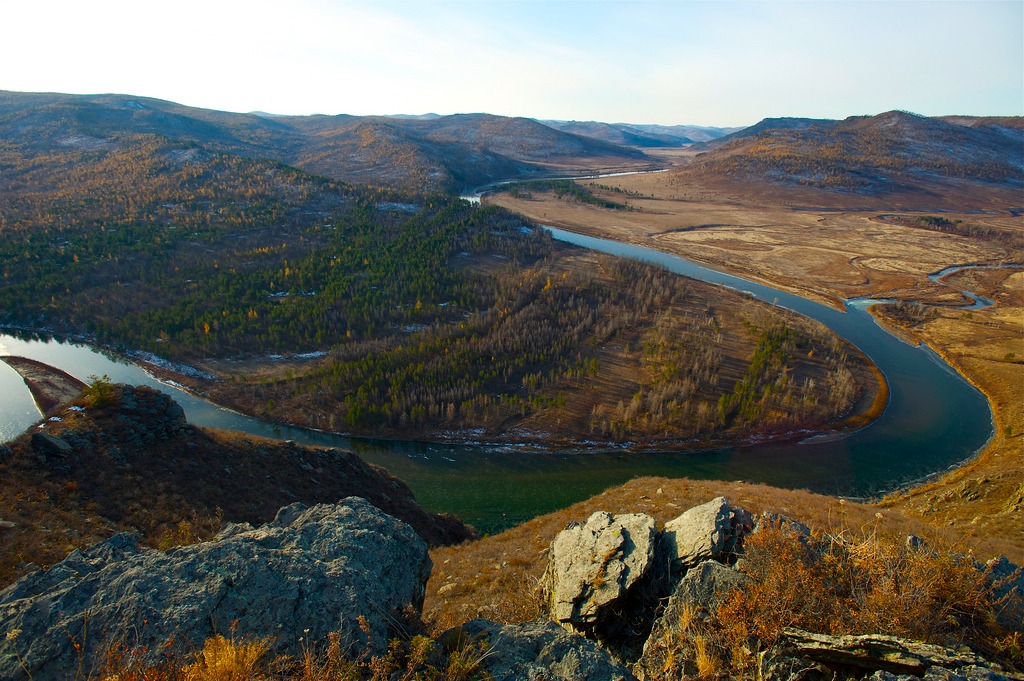
After the elevator and a few steps, you emerge onto a panoramic terrace 40 meters above ground. The steppe stretches endlessly; the Tuul River winds below. This is the site's most striking vantage point, especially in late afternoon when low-angled light gilds the grass.
The Base Museum
The ground floor showcases objects tied to medieval nomadic culture: cavalryman's boots, composite bows, mail coats. Explanatory panels appear in Mongolian and English. The visit takes roughly 30 to 40 minutes.
The Surrounding Ger Camp Complex
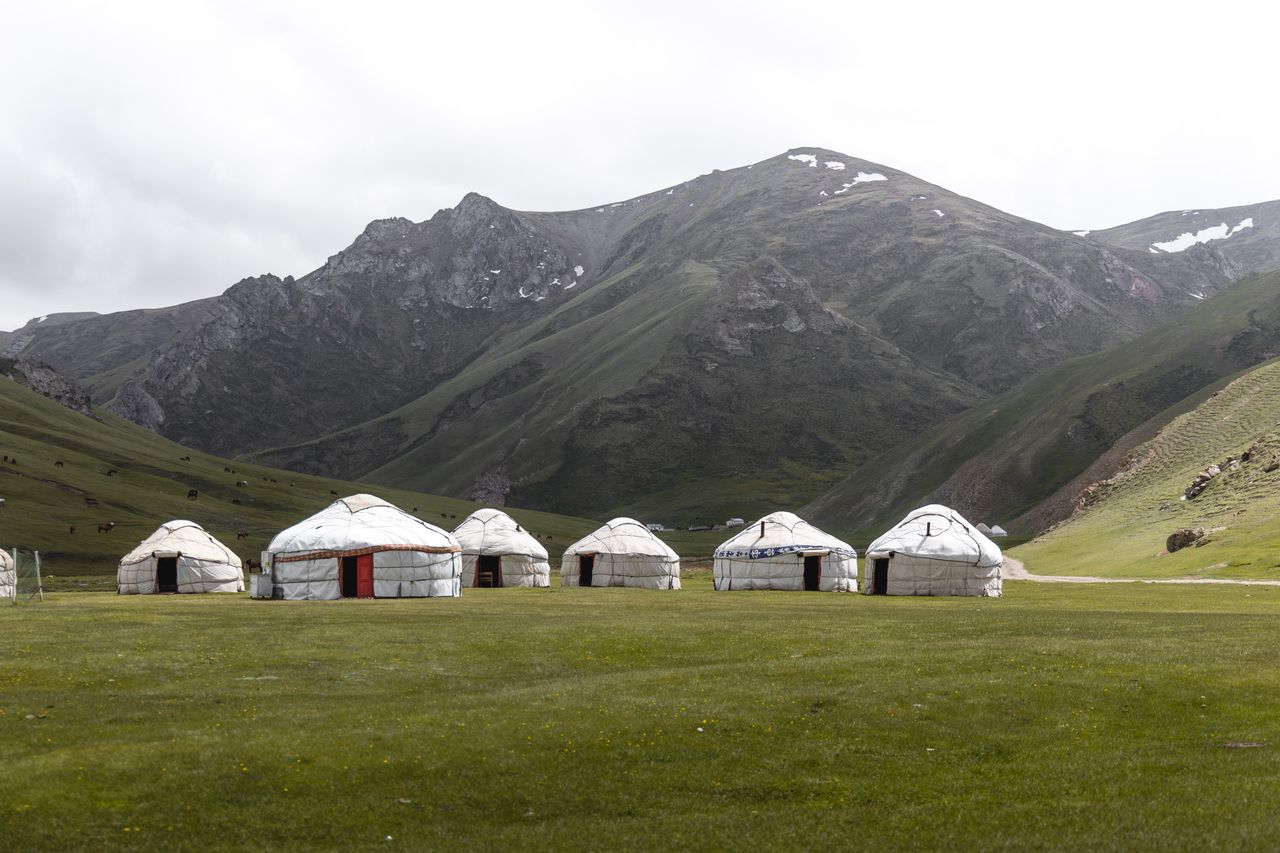
Several tourist gers around the statue offer meals and lodging. It's an opportunity to taste khorkhog (lamb cooked on hot stones) or tsuivan (stir-fried noodles) in an authentic setting without leaving the site.
Photography Tips
The statue faces east—morning light illuminates it head-on, ideal for portraits with the statue in the background. At day's end, the sunset to the west creates dramatic backlighting on the steel. For a full framing including the base and steppe, step back a hundred meters toward the parking area. From the horse's head, a wide-angle lens captures the Tuul Valley. No photography restrictions are noted inside the museum.
Location and Access
The site stands at Tsonjin Boldog, in Töv District, roughly 54 km east of Ulaanbaatar via the main road toward Nalaikh. Most visitors arrive by taxi or rental car from the capital. No regular bus service runs directly to the site. Allow approximately one hour from downtown Ulaanbaatar depending on traffic. Local agencies offer day trips combining the statue with other attractions in the Tuul Valley.
Nearby Attractions
Gandan Monastery (Ulaanbaatar) — Mongolia's foremost Tibetan Buddhist monastery, home to a 26-meter-high Migjid Janraisig statue.
Sukhbaatar Square (Ulaanbaatar) — the capital's civic heart, surrounded by Parliament and the National Museum of Mongolia.
National Museum of Mongolia (Ulaanbaatar) — archaeological and ethnographic collections spanning Mongolian history from prehistory through the Soviet era.
Gorkhi-Terelj National Park — granite landscapes and forests about 80 km from Ulaanbaatar, often combined with the statue on a two-day excursion.
Frequently Asked Questions
Frequently asked questions
May through September offer green steppe and pleasant temperatures. The site remains open in winter, but temperatures can drop below −20 °C and roads may become icy.
Yes, access to the horse's head is included with admission. An elevator serves part of the height, then an interior staircase leads to the observation platform.
The easiest option is to arrange a taxi for the day from Ulaanbaatar or book an organized tour through a local agency. No direct public bus service exists.
Yes, both sites lie east of Ulaanbaatar in the same direction. Many travelers pair them on a full day or weekend trip with an overnight stay at a ger camp.
No, the statue is not an active place of worship. No particular attire is required. Wear comfortable shoes for the interior stairs.
Plan 1.5 to 2 hours to tour the base museum, climb to the observation deck, and walk around the statue's exterior. Add more time if you dine at one of the ger camps nearby.
Interested in this visit?
We can include it in your personalised itinerary.