Tonyukuk
Tonyukuk
Some fifty kilometers east of Ulan Bator, in the steppe of Nalaikh district, stand two stone stelae carved with ancient Old Turkic runes.
Some fifty kilometers east of Ulan Bator, in the steppe of Nalaikh district, stand two stone stelae carved with ancient Old Turkic runes. Erected in the early 8th century, they commemorate Tonyukuk, military adviser and strategist to the Second Eastern Turkic Empire. These inscriptions rank among the oldest known texts in the Turkic language and stand as direct testimony to steppe civilization before the rise of the Mongol Empire.
What you'll see
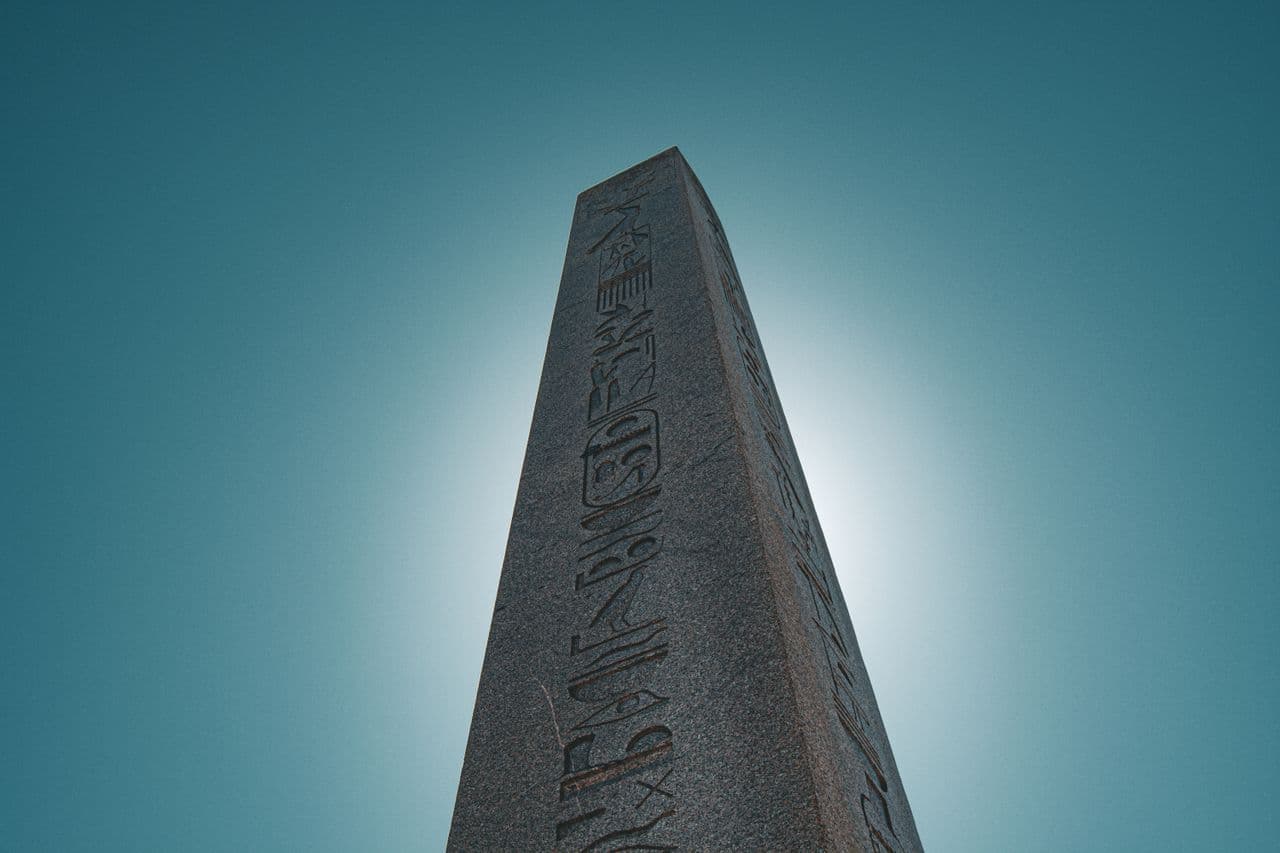
The site comprises two grey stone stelae, covered in ancient Turkic runic inscriptions. A small site museum houses reproductions and explanatory panels. The setting is that of open steppe, without heavy tourist development, which reinforces the raw and authentic character of the visit.
Runic stelae: autobiographical text of Tonyukuk, written in the first person—rare for the period.
Site museum: a modest structure presenting historical context and casts of the inscriptions.
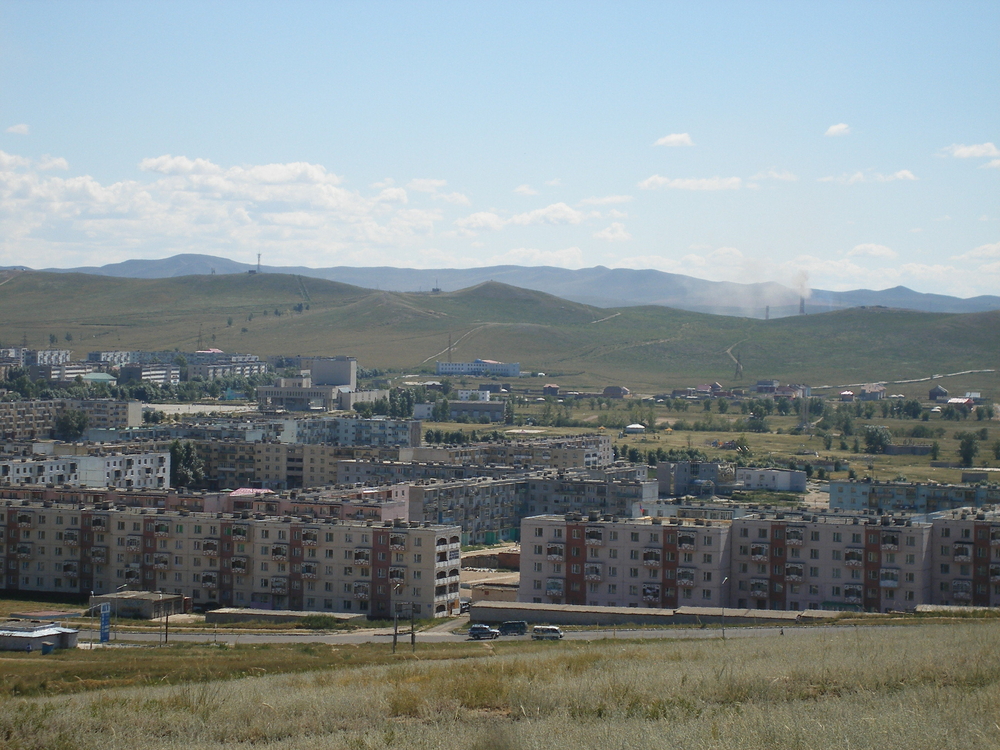
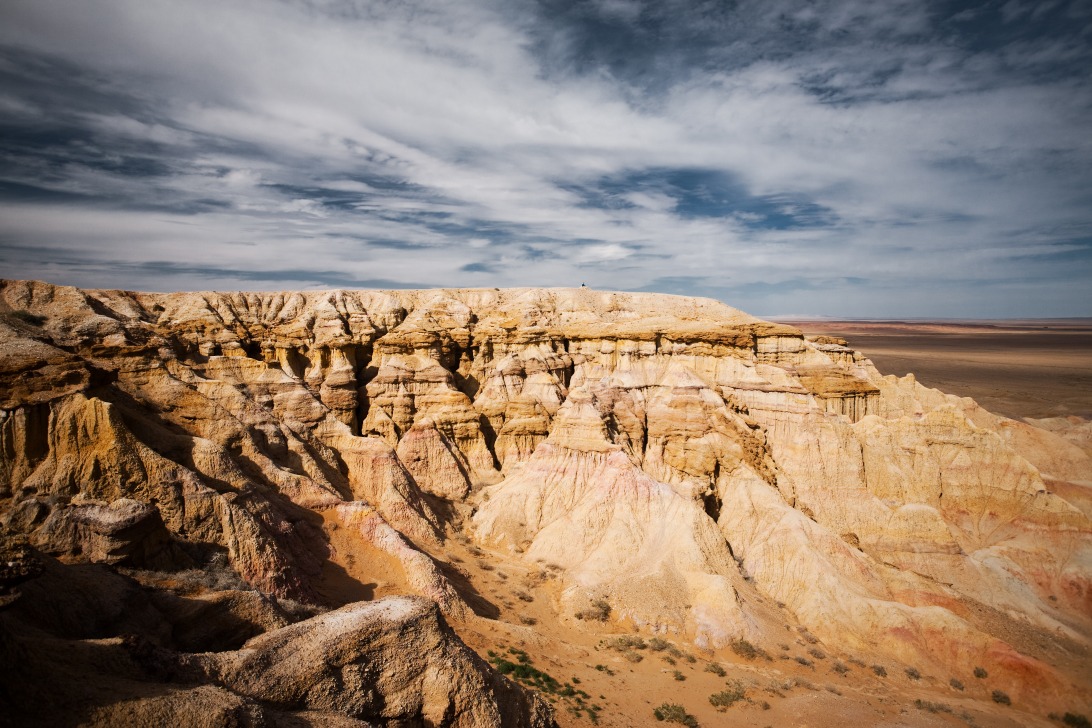
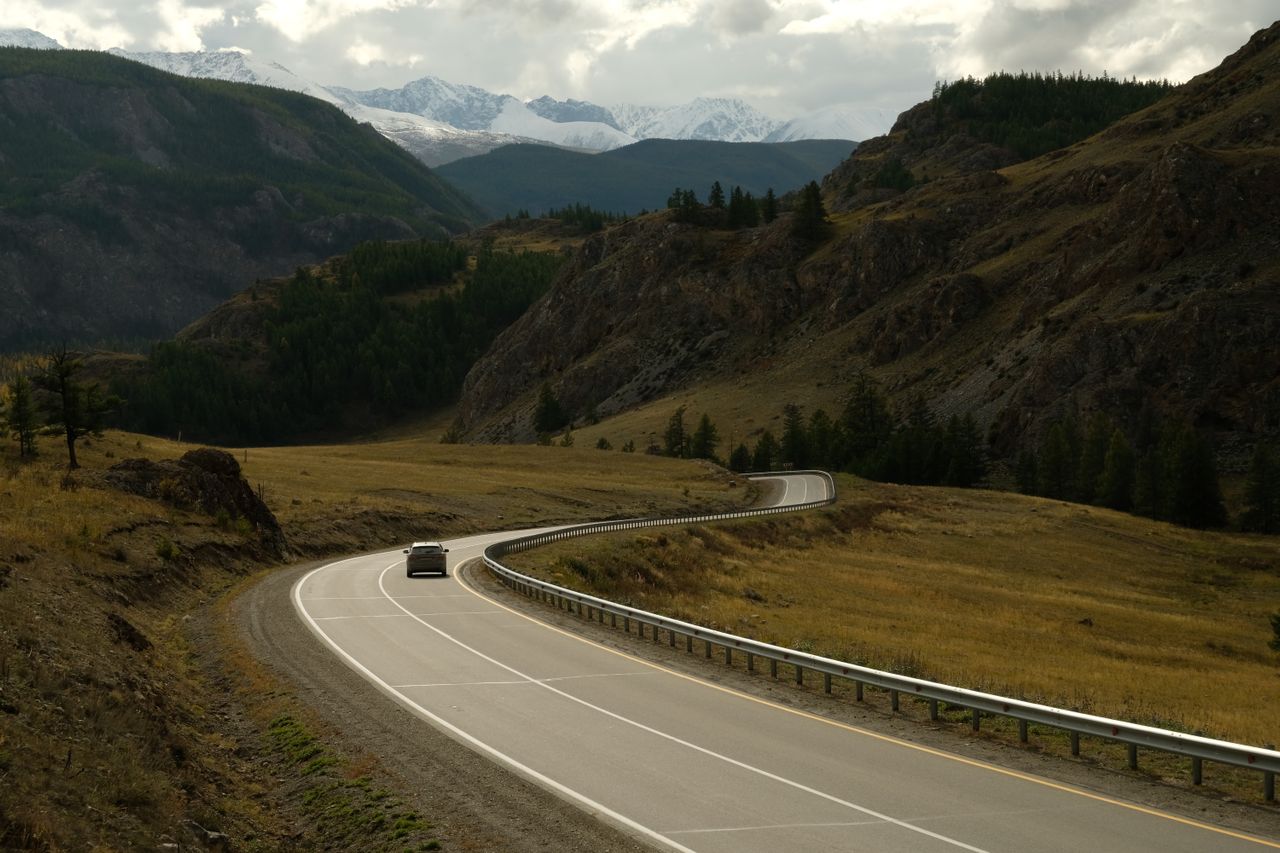
Steppe landscape: open horizon, gentle hills, the isolated atmosphere typical of central Mongolia.
History and context
Tonyukuk was the principal adviser to khagans Ilterish and Bilge within the Second Turkic Khaganate (682–744). The stelae, written around 716–720, recount his military campaigns and political philosophy. Discovered by Russian explorer Yadrintsev in the late 19th century, they were deciphered by Danish linguist Vilhelm Thomsen in 1893, alongside the Orkhon inscriptions. Inscribed as a UNESCO World Heritage site within the Cultural Landscape of the Orkhon Valley, they represent a fundamental milestone for Turkic studies and the history of Central Asia.
Highlights of the visit
The runic inscriptions
The glyphs carved into the stone remain remarkably legible after more than 1,300 years. Each line recounts a strategic decision or battle. Even without reading Old Turkic, the density and regularity of the script impress.
The site museum
Modest but worthwhile, it places the stelae in context: maps of military campaigns, chronology of the Second Khaganate, comparison with the Orkhon inscriptions. A recommended stop before approaching the stones themselves.
The atmosphere of the steppe
The isolation of the location is itself an experience. No crowds, no urban noise. The steppe extends in all directions, reminding you that these texts were carved for nomadic horsemen, not museum visitors.
Photography tips
Raking light in early morning or late afternoon brings out the relief of the carvings on stone. Avoid midday: flat light erases the details of the inscriptions. A macro lens or zoom allows you to frame precise sections of the text. No known photographic restrictions at the outdoor site.
Location and access
The site is located in Nalaikh district, east of Ulan Bator. The road is partly paved, then becomes a dirt track. A 4×4 or high-clearance vehicle is recommended, especially after rain. Most visitors organize the visit through a local agency or private driver from Ulan Bator in combination with other sites in the region. No direct public transport to this site is known.
Nearby attractions
Gandan Monastery — the principal Buddhist monastery in Ulan Bator, a natural starting point before leaving the capital.
National Museum of Mongolia — collections on nomadic empires, an ideal historical complement before or after Tonyukuk.
Gorkhi-Terelj National Park — steppe and forest landscapes, accessible from the same eastern road from Ulan Bator.
Frequently asked questions
Frequently asked questions
May to September, when the tracks are passable and the steppe is green. In winter, access can be difficult depending on weather conditions.
A guide is not mandatory, but highly recommended: explanatory panels are limited and the historical context greatly enriches the visit.
Yes, both sites lie east of Ulan Bator and can be grouped into a single day with a private vehicle.
Yes, the carvings are well preserved and legible on both stelae. Raking light (morning or evening) makes them stand out more.
Allow one to two hours on site, including the site museum, not counting travel time from Ulan Bator.
Interested in this visit?
We can include it in your personalised itinerary.