Selenge Valley
Selenge Valley
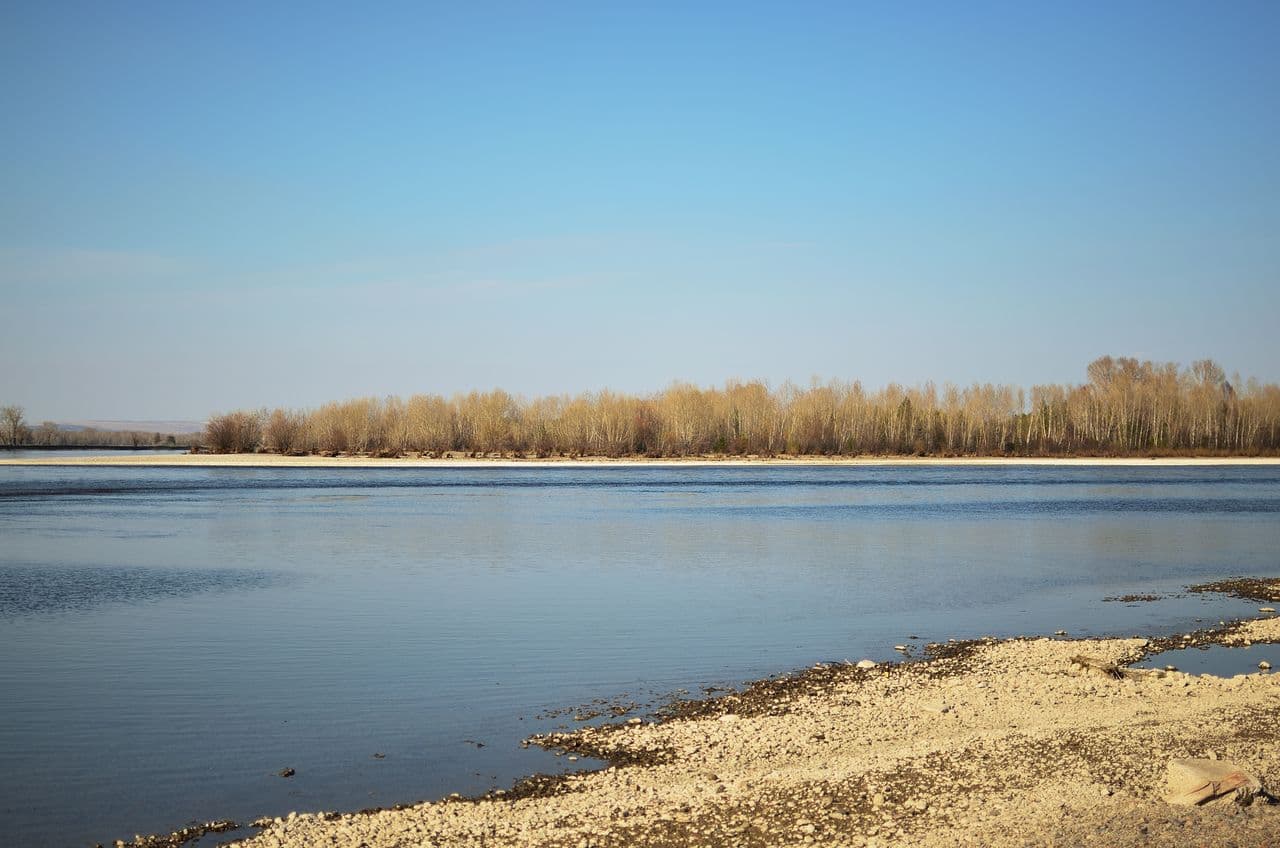
The Selenge is Mongolia's largest river. It originates in Russia, flows through the north of the country, and empties into Lake Baikal.
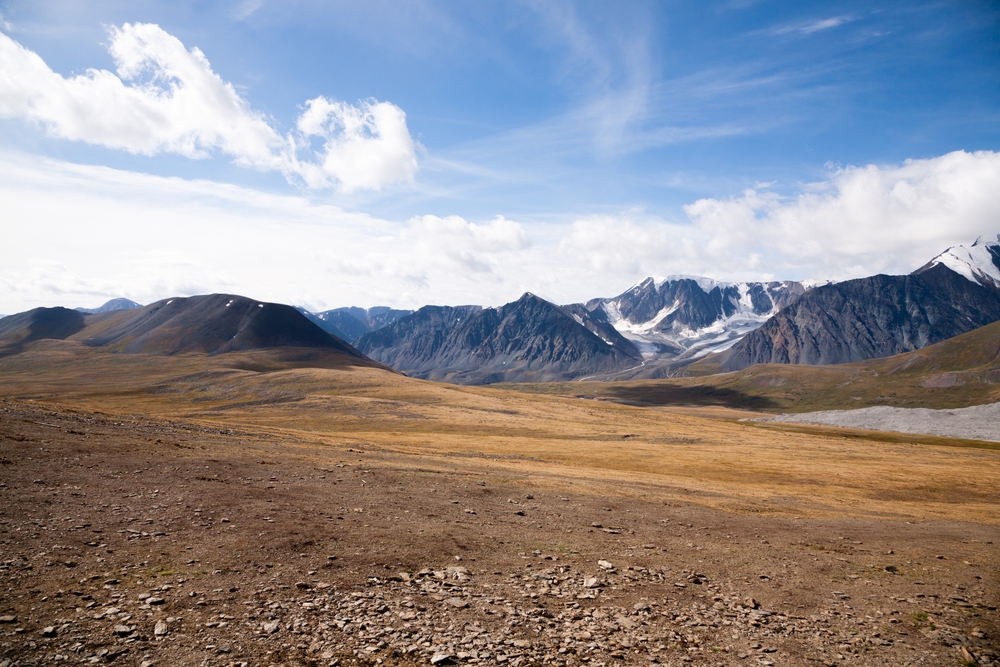
The Selenge is Mongolia's largest river. It originates in Russia, flows through the north of the country, and empties into Lake Baikal. Its valley, verdant and rarely visited, offers a striking contrast to the arid steppes of central Mongolia: birch forests, wetland meadows, and herders' villages line its banks.
What to See
The valley stands out for its open riparian landscapes, wooded riverbanks, and the presence of numerous migratory birds. Nomadic herders' yurt camps remain visible along the shores. The river itself, wide and powerful, is navigable in places and attracts local fishermen, particularly for taimen, a giant salmonid emblematic of the region.
History and Context
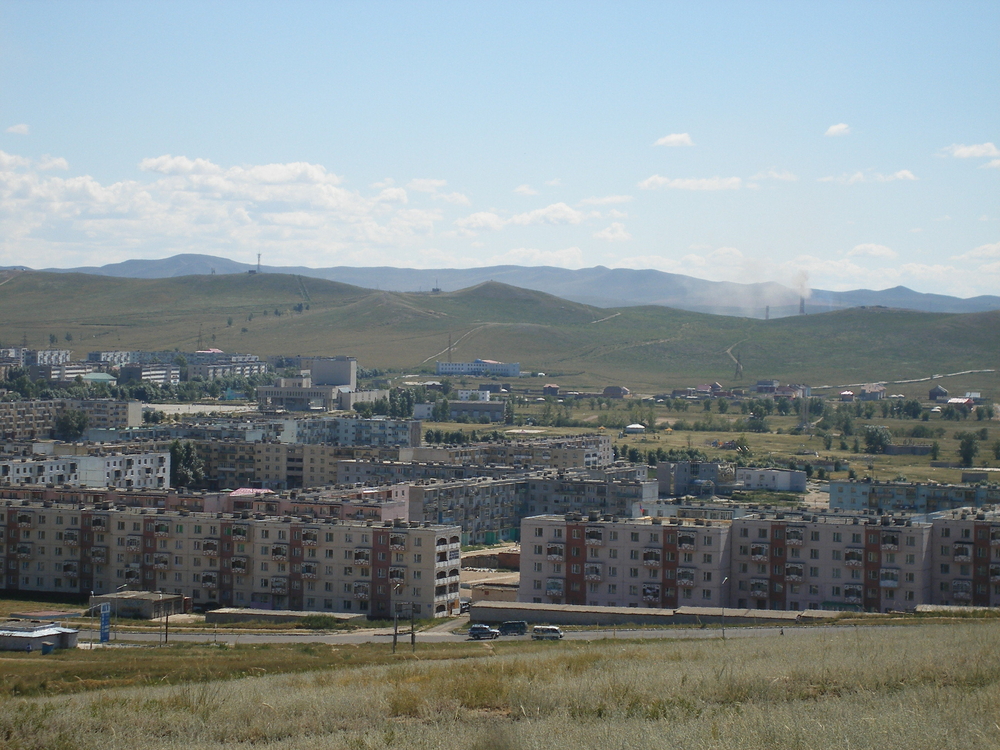
The Selenge played a strategic role in Mongolian history: its banks witnessed the armies of Genghis Khan and long served as a natural frontier with Russia. The city of Sükhbaatar, at the confluence of the Selenge and Orkhon rivers, is the main border crossing point between Mongolia and Russia.
Highlights of a Visit
Taimen Fishing
The taimen (Hucho taimen) is one of the world's largest salmonids. The Selenge and its tributaries count among the last viable habitats for this species. Specialized fishing camps organize catch-and-release trips to preserve the population.
Riverbanks and Avian Life
The valley is an important migratory corridor. Cranes, ducks, herons, and raptors frequent the riparian wetlands, particularly in spring and autumn.
Nomadic Life
Herders in the region still practice seasonal transhumance. Encountering a yurt camp on the riverbank and observing the management of horse or yak herds remains an authentic experience.
Photography Tips
The golden morning light on the river is particularly favorable. Reflections of vegetation in the water and yurts in the background offer typical compositions. In autumn, birches turn a vivid yellow, making the riverbanks highly photogenic.
Location and Access
The Selenge Valley extends through northern Mongolia, between Darkhan and Sükhbaatar. Darkhan is accessible from Ulaanbaatar by the main northern road (approximately 220 km) or by train on the Trans-Mongolian line. Sükhbaatar lies further north, at the Russian border. Most travelers explore the valley by 4×4 vehicle with an English-speaking driver-guide, as the trails along the river are not always passable by ordinary car.
Nearby
Darkhan — Mongolia's second-largest city, a convenient departure point for exploring the valley.
Sükhbaatar — border town at the confluence of the Selenge and Orkhon rivers, gateway to Russia.
Orkhon Valley — UNESCO World Heritage site, accessible from the south of the region.
Amarbayasgalant Monastery — one of Mongolia's largest monastic complexes, located in Selenge province.
Frequently Asked Questions
Frequently asked questions
June to September to enjoy the vegetation and mild temperatures. Spring (May) and autumn (October) suit bird watchers and landscape photographers.
A 4×4 with an experienced driver is highly recommended. Trails along the river can become muddy or flooded after summer rains.
Specialized camps welcome all skill levels, but taimen fishing requires a permit and is practiced under mandatory catch-and-release to protect the species. Check with your local agency.
Yes, Amarbayasgalant Monastery is located in Selenge province. It naturally integrates into a northern circuit departing from Darkhan.
Options are limited outside towns. Tourist yurt camps exist along the river, but availability varies by season. Your local agency can arrange bookings in advance.
Interested in this visit?
We can include it in your personalised itinerary.