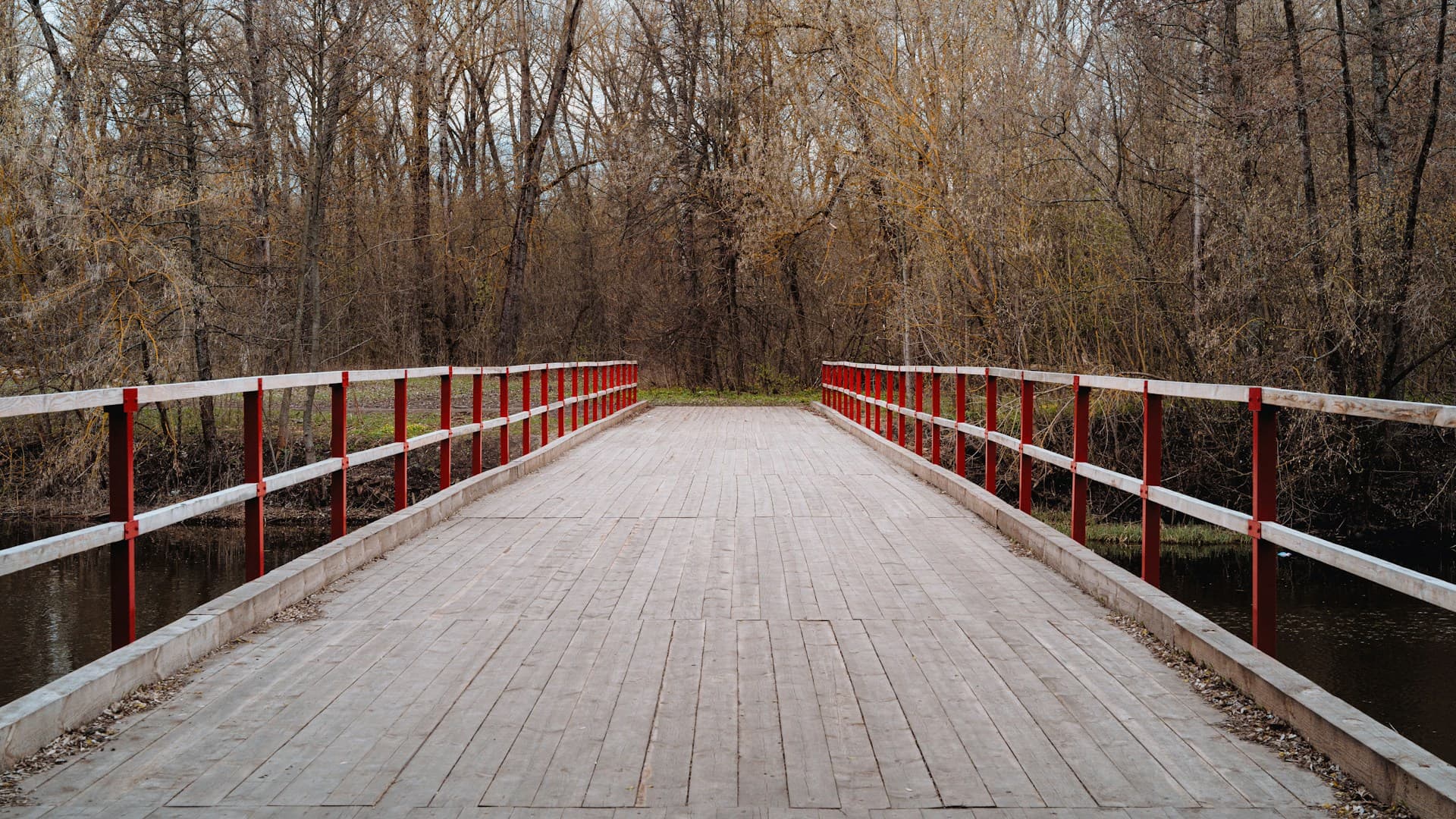
Tuul River Bridge Terelj National Park
Tuul River Bridge Terelj National Park
At the entrance to Gorkhi-Terelj National Park, a bridge spans the Tuul River before the main trail descends into the valley.
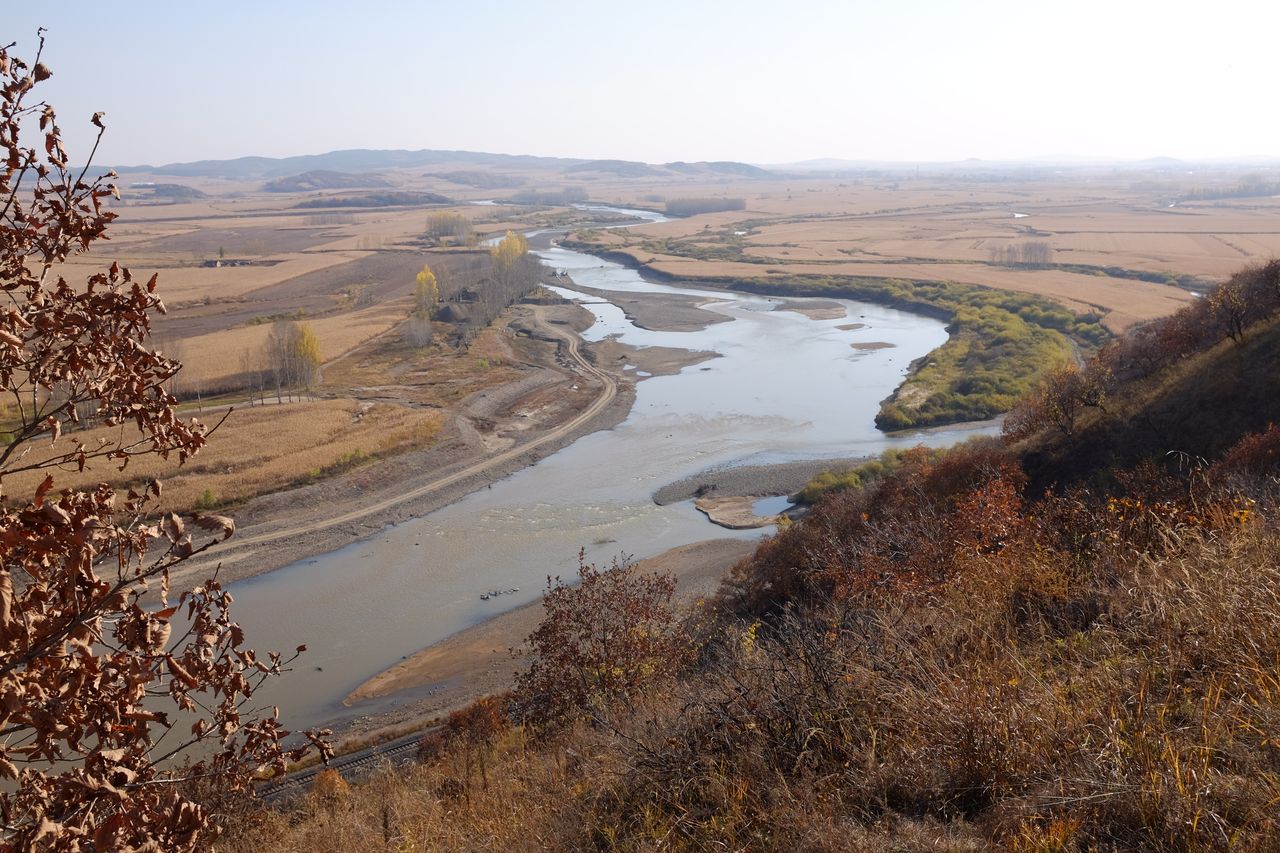
At the entrance to Gorkhi-Terelj National Park, a bridge spans the Tuul River before the main trail descends into the valley. This passage marks the transition between Ulaanbaatar's periurban steppe and the park's alpine meadows. The Tuul—a river sacred to Mongols—flows here between banks lined with birch and pine, framed by rounded granite hills.
Practical information at a glance
Access: paved road from Ulaanbaatar to the park entrance, then trail; the bridge is on the main route.
Park entry: entry fee at the control post (check current rates with your local agency).
Recommended time on site: 15 to 30 minutes for photos and river observation.
Dress code: no specific requirements; wear sturdy shoes if you venture down to the banks.
What to see
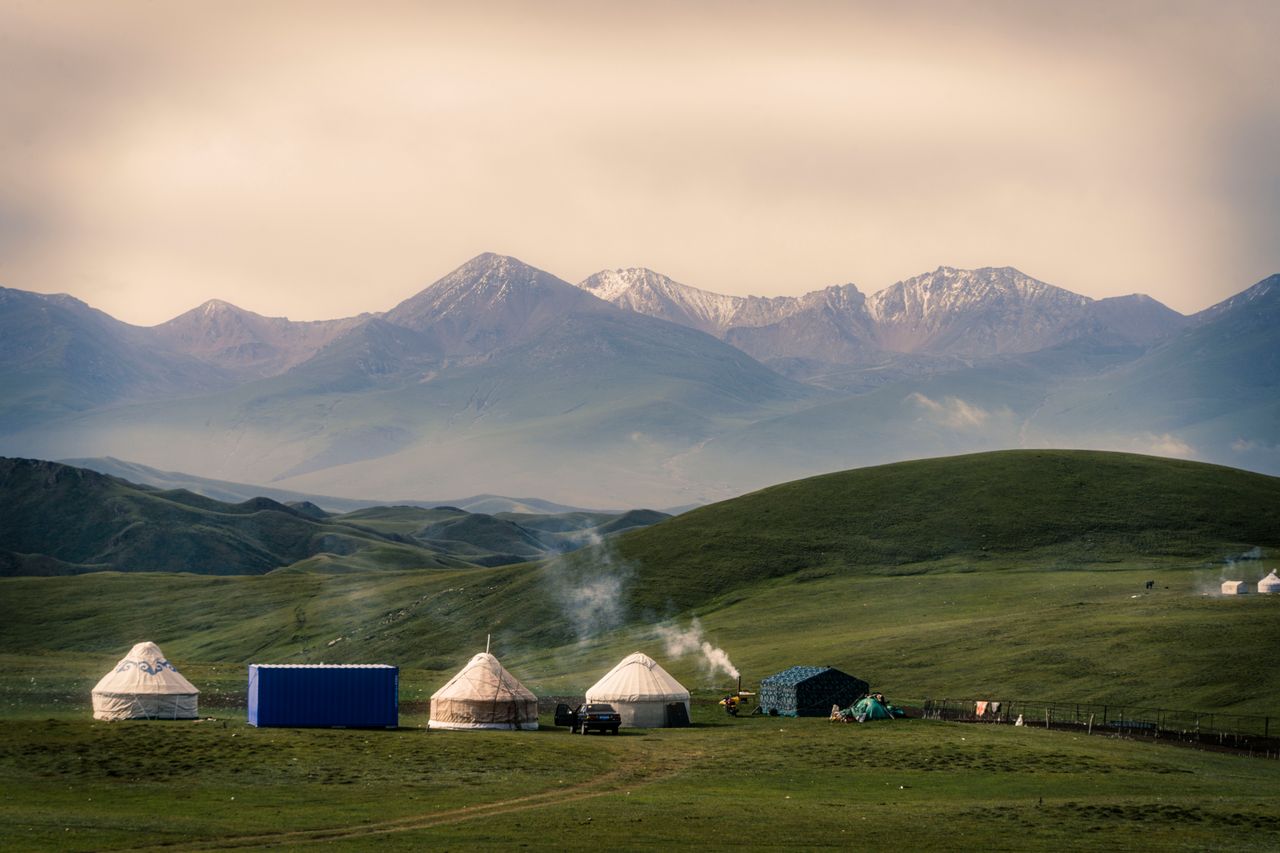
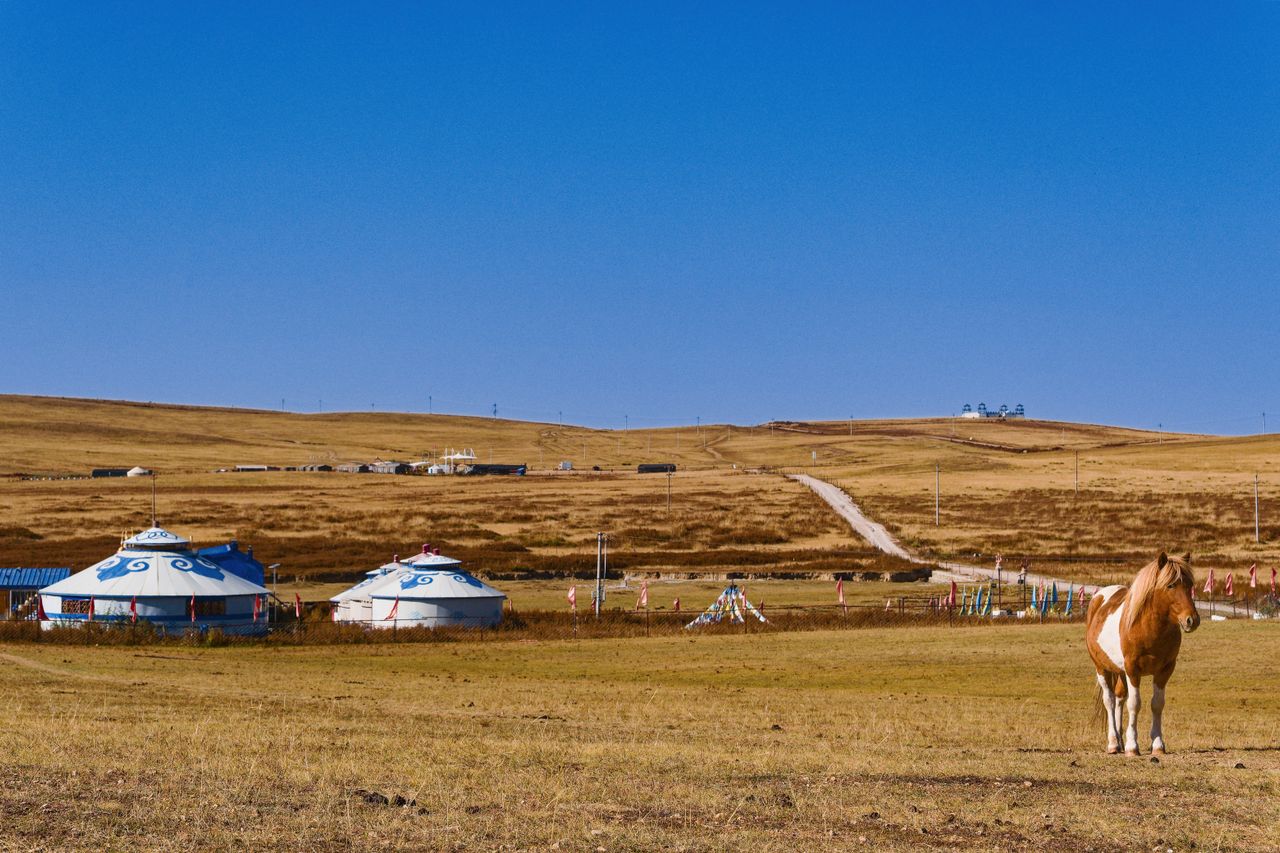
The bridge offers an open view of the Tuul in one of its calmest sections. In summer, the water is translucent green; in spring, snowmelt swells the flow and tints the river ochre. Horses often graze on nearby banks. Downstream, tourist camp gers appear among the trees.
History and context
The Tuul River is mentioned in the Secret History of the Mongols (13th century): it originates in the Khentii Mountains, the birthplace of Genghis Khan. It flows through Ulaanbaatar before reaching Terelj. For Mongols, rivers are living entities; the Tuul holds the status of a sacred river (eej gol, "mother river").
Gorkhi-Terelj Park was established in 1993 and covers more than 290,000 hectares. The bridge is one of the first access points to this protected area from the capital.
Highlights of the visit
The Tuul River in summer
Between June and August, verdant banks and moderate flow allow you to approach the water. Some visitors swim in shallow sections, but the current can be deceptive.
The mountain setting in autumn
In September–October, birches turn bright yellow. The contrast between golden foliage, gray granite, and the dark Tuul water is particularly striking from the bridge.
Photography tips
Morning light (before 9 a.m.) illuminates the facing hills and avoids backlighting. Late afternoon sees the sun descend behind western ridges, creating golden reflections on the water. From the bridge, frame upstream to include meanders and wooded banks. Descend to the shore for water-level angles.
Location and access
The bridge is located approximately 55 km northeast of Ulaanbaatar, on the main road leading into the heart of Gorkhi-Terelj Park. The road is paved to the park entrance; beyond that, trails are unpaved. A 4×4 vehicle is recommended for exploring the park further. Minibuses and shared taxis depart regularly from Ulaanbaatar to Terelj.
Accessibility for people with reduced mobility is limited: the bridge itself is passable, but the banks are natural, unimproved terrain.
Nearby attractions
Turtle Rock (Melkhii Khad) — an iconic granite formation of the park, a few kilometers upstream from the valley.
Aryabal Monastery — a Buddhist temple perched on the park's heights, accessible via a wooden staircase.
Equestrian Statue of Genghis Khan (Tsonjin Boldog) — a massive stainless steel statue visible from the road between Ulaanbaatar and Terelj.
Terelj ger camps — traditional accommodations in the valley, starting points for hiking and horseback riding.
Frequently asked questions
Frequently asked questions
From June to September, temperatures are mild and vegetation is lush. September offers the most spectacular autumn colors. In winter, the river freezes and the snow-covered landscape is breathtaking, but access can be challenging.
The bridge is located within or immediately adjacent to Gorkhi-Terelj National Park, which charges an entry fee. Check with your local agency for current rates.
Yes. Turtle Rock, Aryabal Monastery, and ger camps are all accessible in a single day from Ulaanbaatar, provided you start early in the morning.
Some visitors swim in shallow sections in summer. The current can be strong depending on the season; caution is advised, especially in spring during snowmelt.
The road to the park entrance is paved and passable in a standard car. To explore more remote valleys beyond the bridge, a 4×4 is recommended.
Interested in this visit?
We can include it in your personalised itinerary.