Sagsai
Sagsai
Sagsaï is a town in Bayan-Ölgii province, at the far western tip of Mongolia, nestled in the Altai Mountains.
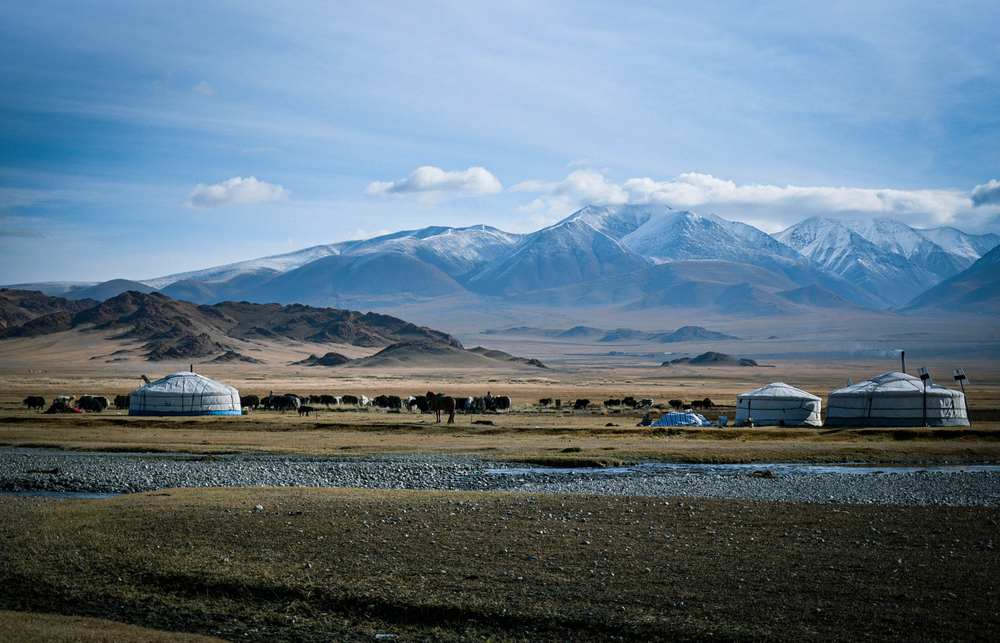
Sagsaï is a town in Bayan-Ölgii province, at the far western tip of Mongolia, nestled in the Altai Mountains. Populated predominantly by Kazakhs, it is one of the few places on Earth where golden eagle falconry is still practiced as a way of life. The gers of eagle hunters dot the alpine valleys, and the high steppe landscapes offer a striking backdrop.
Practical Information at a Glance
Access: from Ölgii (the capital of Bayan-Ölgii), by 4×4 vehicle — the track is impassable without all-wheel drive.
What to wear: warm clothing essential, even in summer; nights at altitude are cold.
Recommended duration: at least a full day; two to three days to meet eagle-hunter families.
Accommodation: gers with local families (ger stay) — no hotels on site.
What to See
The village itself is modest: a few brick houses, gers, and a basic bazaar. The appeal lies in the immediate surroundings — narrow valleys, high-altitude pastures, and Kazakh nomadic encampments. The tamed golden eagles, perched on their masters' gauntleted fists, are the central spectacle of any visit.
History and Context
The Kazakhs of Bayan-Ölgii migrated from Kazakhstan in the 19th century and have preserved their language, Sunni Islam, and hunting traditions. Eagle falconry — berkutchi in Kazakh — is passed down from father to son across generations. UNESCO inscribed this practice on the intangible cultural heritage of humanity in 2016, in a multinational dossier that includes Mongolia.
Highlights of Your Visit
Meeting an Eagle Hunter
Local agencies in Ölgii organize visits to berkutchi families around Sagsaï. You observe the golden eagle in action, learn dressage techniques, and often share a Kazakh meal — flatbread, mutton, salted milk tea.
Golden Eagle Festival
Each October, Sagsaï hosts its own falconry competition, distinct from Ölgii's festival. Hunters compete in speed, precision, and traditional costume. This is the most vibrant time to visit the region.
Landscapes of the Kazakh Altai
The valleys around Sagsaï offer high-mountain panoramas: snow-capped ridges, glacial rivers, and golden steppes in autumn. Horseback trekking is the preferred way to explore these expanses.
Etiquette and Visiting Rules
Always ask permission before photographing a person or their eagle.
Accept tea or food offered — refusing is impolite in Kazakh culture.
Enter a ger by crossing the threshold with your right foot; do not step on the threshold itself.
Avoid pointing your feet toward the central hearth or toward a host.
Women should cover their shoulders in more conservative family settings.
Photography Tips
Golden light in early morning and late afternoon is ideal for photographing eagles and gers. Autumn (September–October) offers exceptional steppe colors and festival costumes. A telephoto lens is useful for outdoor flight demonstrations.
Location and Access
Sagsaï is located about an hour's drive from Ölgii by 4×4. Ölgii is connected to Ulan Bator by domestic flights (Aero Mongolia, Hunnu Air). No regular public transport serves Sagsaï — a private vehicle booked through a local agency is essential. Accessibility for people with reduced mobility is very limited due to the mountainous terrain and lack of adapted infrastructure.
Nearby
Ölgii — capital of Bayan-Ölgii, the logistical gateway with Kazakh bazaars and a provincial museum.
Tolbo Lake — high-altitude lake on the route between Ölgii and Sagsaï, with striking mountain scenery.
Altai Tavan Bogd National Park — glacial massif at the Russo-Sino-Mongolian border, accessible from Ölgii.
Frequently Asked Questions
Frequently asked questions
October is ideal: the local falconry festival takes place then and autumn colors are at their peak. Summer (June–August) allows for trekking and meetings with nomadic families at their summer pastures.
Technically yes, but a Kazakh or Mongolian guide is highly recommended. They facilitate contact with hunter families, provide translation, and help avoid cultural missteps.
There are no hotels on site. Agencies in Ölgii arrange nights in gers with Kazakh families — an experience in itself, though comfort is basic.
Organized demonstrations for visitors are possible almost year-round. Active hunting is practiced in autumn and winter, when eagles are used to capture foxes and hares.
Yes, with prior consent from those involved. A tip or small gift is appreciated. Some hunters ask for a financial contribution for extended photo sessions.
Want to discover this destination?
Our local advisors design your tailor-made trip.