Sansar, Rashaant
Sansar, Rashaant
Sansar is a village in Rashaant district, Selenge Province, northern Mongolia. Taiga, steppe, and stays in gers with nomadic families: an authentic rural immersion.
Sansar is a small village located in Rashaant district (sum), Selenge Province, northern Mongolia. Nestled within a landscape of taiga and steppe, it attracts travelers seeking rural immersion away from conventional tourist circuits. The Selenge region, traversed by the river of the same name, offers unspoiled nature and a way of life deeply rooted in nomadic tradition.
What to See
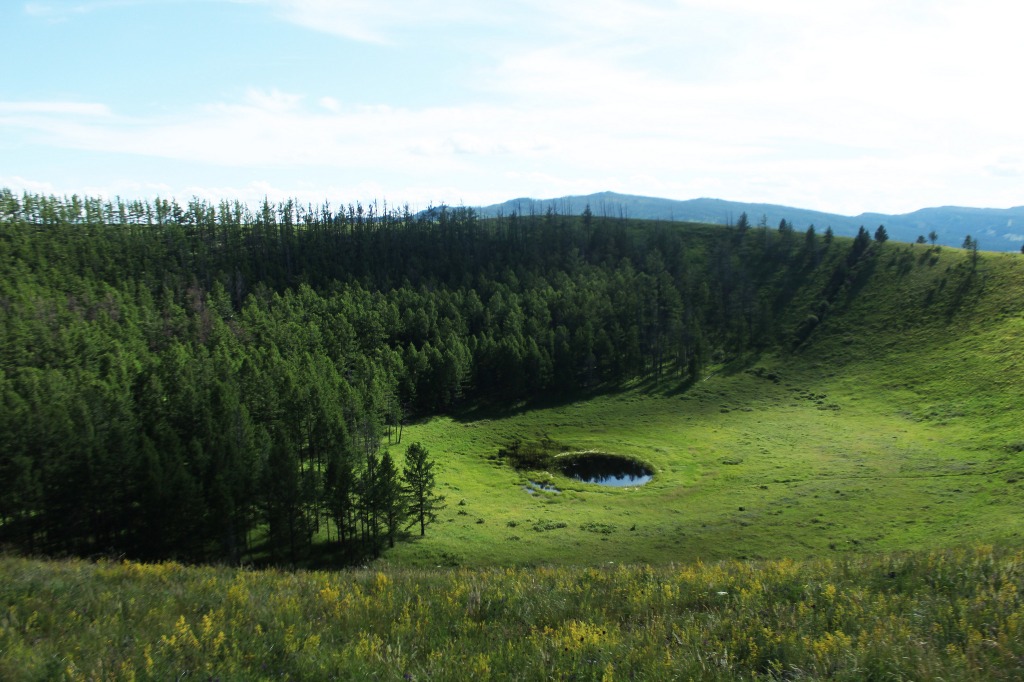
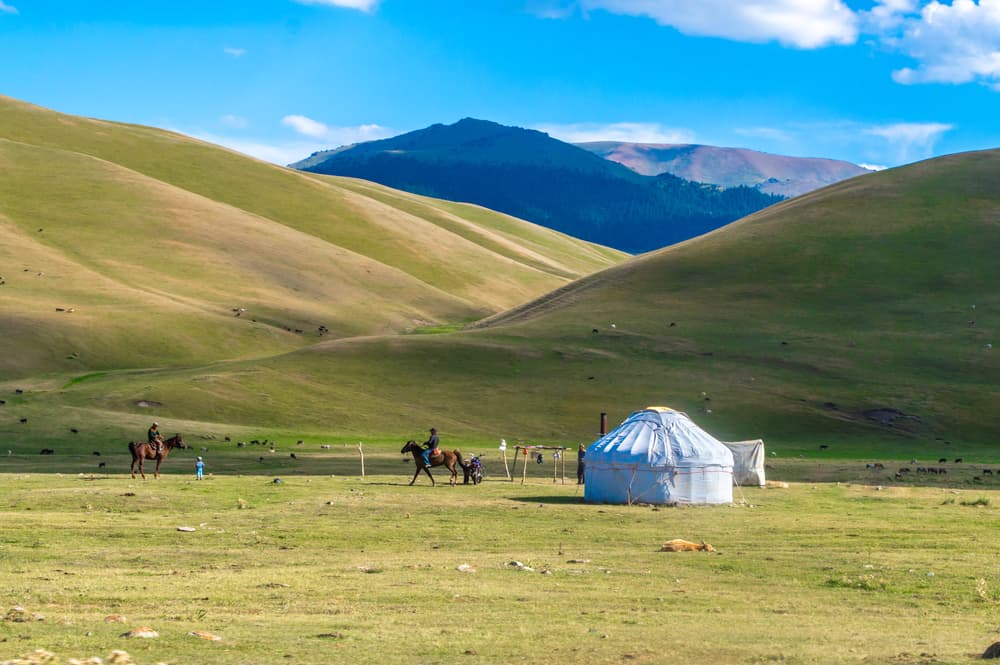
The landscape around Rashaant blends pine and birch-covered hills, open grasslands, and watercourses tributary to the Selenge. Gers of herding families dot the steppe. Local wildlife includes deer, foxes, and a wide variety of birds. Subsistence farming and the herding of horses, cattle, and sheep structure daily life.
History and Context
Selenge Province takes its name from the Selenge River (Selenga), one of Mongolia's longest rivers, which flows into Lake Baikal in Russia. The region has long served as a passage zone between central Mongolia and Siberia. Rashaant is a typical rural district of this agricultural province, historically inhabited by Buryat and Mongolian herders.
Highlights of a Visit
Stays with Nomadic Families
The primary experience offered in this area is a home stay in a ger. Families welcome travelers, share meals (airag, boiled meat, fermented dairy products), and daily activities: milking, horseback riding, wood gathering.
Hiking and Horseback Riding
The surroundings of Rashaant lend themselves to outings on horseback or on foot through taiga and steppe. Local guides, often herders themselves, know the trails and water sources. No formal trails exist: a local guide is essential.
Wildlife Observation
The Selenge area is recognized for its ornithological richness. Along riverbanks, cranes, ducks, and raptors are frequently spotted. The summer period (June–August) is most favorable.
Photography Tips
Golden light in late afternoon beautifully illuminates grasslands and gers. Always ask permission before photographing people or the interior of a ger—this is a fundamental courtesy in Mongolia. Taiga landscapes are particularly photogenic at dawn.
Location and Access
Rashaant is located in Selenge Province, northern Mongolia. The provincial capital, Sükhbaatar, is accessible from Ulaanbaatar by road (approximately 340 km). From Sükhbaatar, a track connects rural districts including Rashaant. A 4×4 vehicle is essential outside the dry season. Regular public transport to Sansar does not exist. Local agencies arrange transfers from Ulaanbaatar.
Nearby
Sükhbaatar — capital of Selenge Province, the logistical departure point for exploring the region.
Selenge River — Mongolia's largest river, suitable for fishing and riverside walks.
Amarbayasgalant Monastery — one of Mongolia's largest Buddhist monastic complexes, located in neighboring Selenge Province, a few hours' drive away.
Frequently asked questions
Summer (June through August) offers pleasant temperatures and lush landscapes. Spring (May) and autumn (September) are possible but tracks may be difficult. Winter is harsh and not recommended without experience of extreme Mongolian cold.
The route passes through Sükhbaatar (approximately 340 km from Ulaanbaatar). From Sükhbaatar, a 4×4 track leads to rural districts. No direct bus service to Sansar exists. A local agency can arrange the transfer.
The main accommodation is a stay in a ger with nomadic families. There are no conventional hotels in this rural district. Book through a local agency that coordinates lodging with families.
English is rarely spoken in rural areas of Selenge. An English-speaking guide-interpreter is highly recommended to communicate with host families and navigate the tracks.
Always enter from the right, do not step on the threshold, accept offered food and drink (even symbolically), and ask before photographing. These gestures of respect are essential in Mongolian nomadic culture.
Want to discover this destination?
Our local advisors design your tailor-made trip.