Shurangiyn River
Shurangiyn River
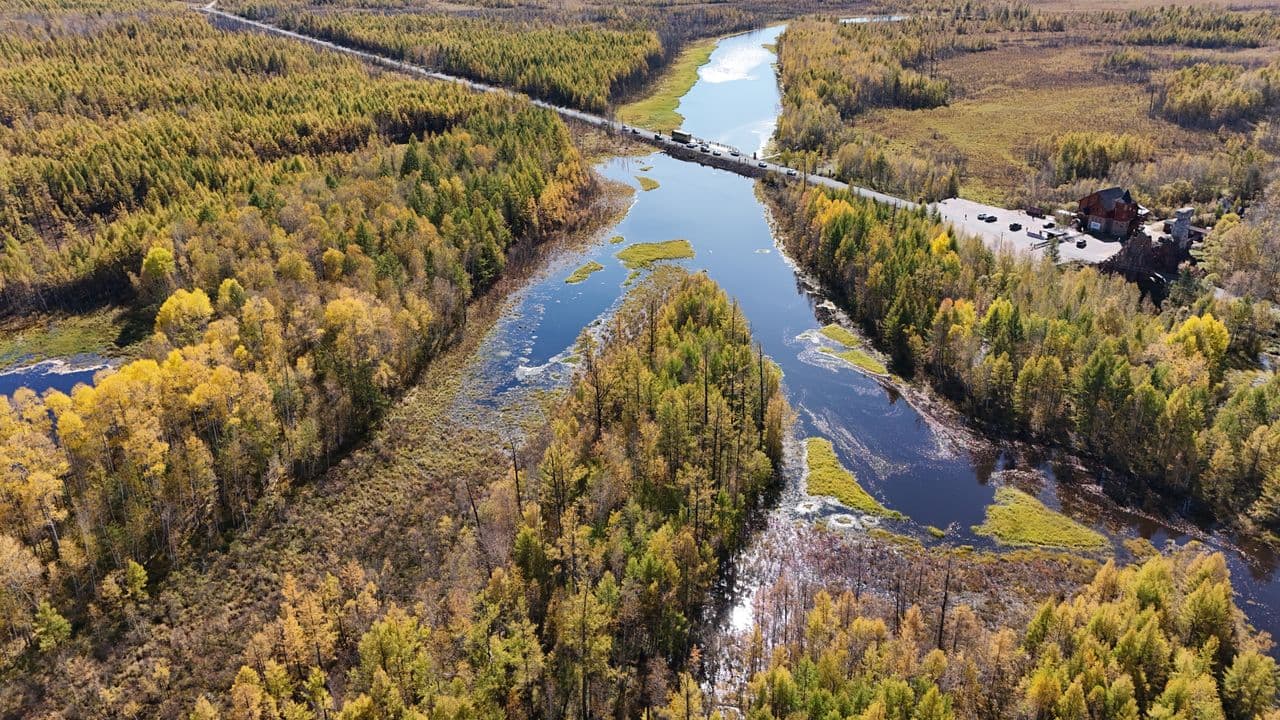
The Shurangi River (Shurangiyn Gol) flows through Khövsgöl Province in northern Mongolia, through a landscape of taiga and alpine meadows.
The Shurangi River (Shurangiyn Gol) flows through Khövsgöl Province in northern Mongolia, through a landscape of taiga and alpine meadows. A tributary of the Lake Khövsgöl region, it winds through seldom-visited valleys inhabited by nomadic herders and, further north, by the Tsaatans — Mongolia's reindeer people. This is raw wilderness territory, favoured by trekkers and travellers seeking to venture beyond the beaten path.
What you'll see
The Shurangi valley offers landscapes characteristic of northern Mongolia: larch and birch forests, wetland meadows, rounded hills. Wild fauna thrives here — deer, marmots, birds of prey. Nomadic yurt camps and reindeer herds of the Tsaatans represent the region's main human presence.
History and context
The Khövsgöl region has been home to nomadic peoples for millennia. The Tsaatans (Dukha), some of whose camps lie in valleys near the Shurangi, have practised reindeer herding for generations. Their way of life, rare in Mongolia, now attracts the attention of anthropologists and responsible travellers.
Travel highlights
Meeting the Tsaatans
Reindeer herders live in tipis (ortz) and move with the seasons. A respectful visit, ideally arranged through a local operator, allows you to observe their daily life without disrupting their lifestyle.
Valley trekking
Trails follow the river through taiga and alpine pastures. Horse trekking remains the most suitable means of covering distances across this rolling, sometimes marshy terrain.
Flora and fauna
Spring and summer see alpine meadows burst into bloom. Early mornings are ideal for spotting deer and birds. The river itself is home to fish, notably Arctic char.
Photography tips
Golden light at dawn and dusk works beautifully in these east-west-oriented valleys. Tsaatan camps should be photographed discreetly and only with the prior consent of inhabitants. Reflections of the taiga in the river offer striking compositions on overcast midday light.
Location and access
The Shurangi River lies in Khövsgöl Province, northwest of the lake of the same name. Access is from Mörön, the provincial capital, then by 4×4 vehicle along tracks to the taiga valleys. Distances are substantial and tracks become impassable after rain. A local guide or specialised operator is essential for navigation and respecting the territories of nomadic communities.
Nearby
Lake Khövsgöl — one of Central Asia's great freshwater lakes, the starting point for many treks in the region.
Mörön — the essential staging town for resupplying and organising transfers to the northern valleys.
Tsaatan communities — reindeer herders of the Khövsgöl valleys, accessible via organised tours.
Frequently asked questions
Frequently asked questions
Summer (June–August) is the most accessible season: tracks are passable and vegetation is at its peak. Spring (May) and autumn (September) see fewer visitors but more uncertain weather.
Yes. The lack of signposting, unmapped tracks and the need to respect nomadic communities make a local guide essential. A specialist operator in northern Mongolia is highly recommended.
Wild camping is possible in this sparsely populated region. Camp at a distance from nomadic settlements and leave no trace. Some operators offer yurts or tipis staying with local families.
Flights connect Ulaanbaatar to Mörön. From Mörön, allow several hours by 4×4 vehicle along tracks to reach the Shurangi valleys, depending on road conditions.
Always ask permission before photographing people and animals. Some families are happy to oblige, others prefer their privacy. Respecting their wishes is essential.
Want to discover this destination?
Our local advisors design your tailor-made trip.