Karakorum
Karakorum
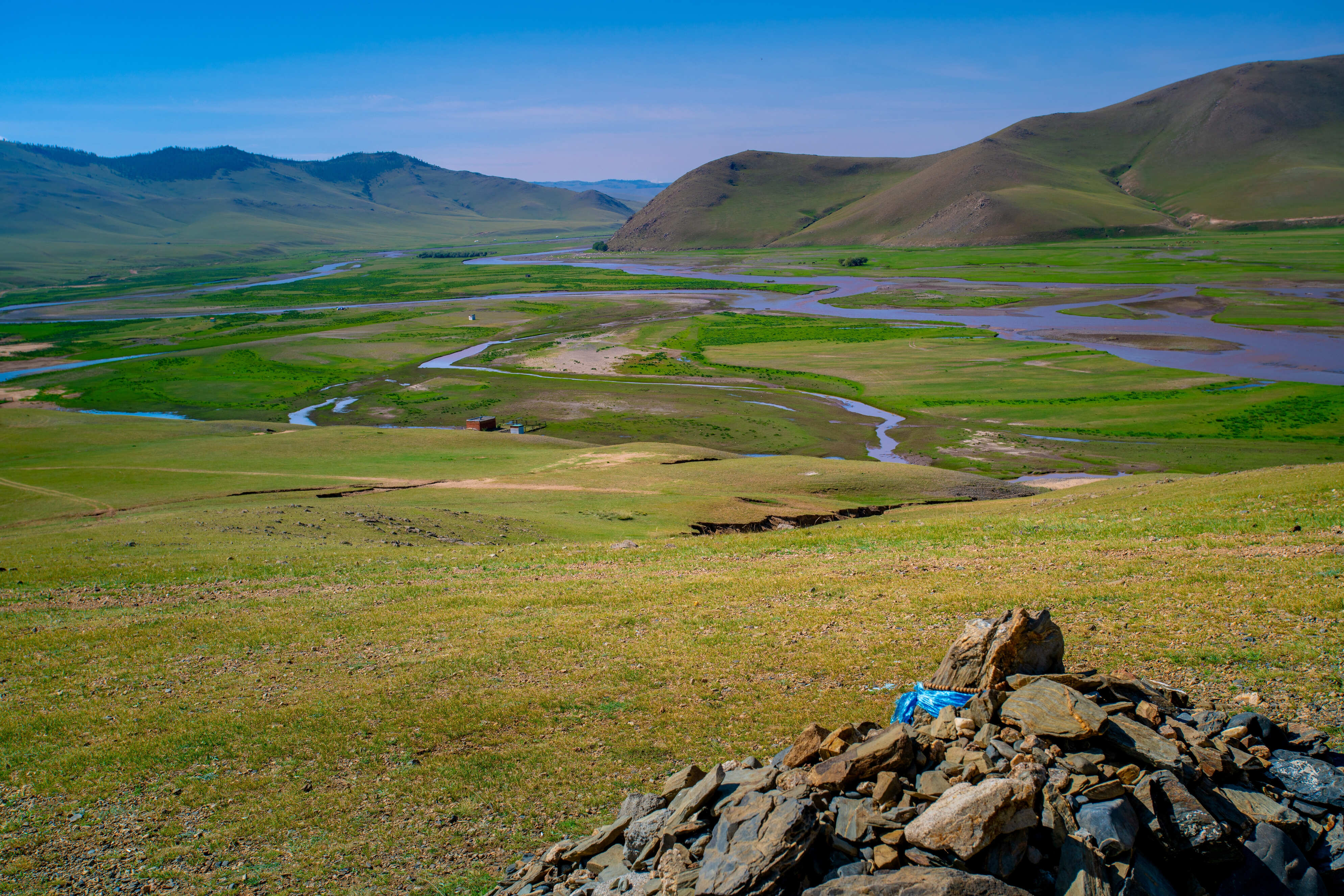
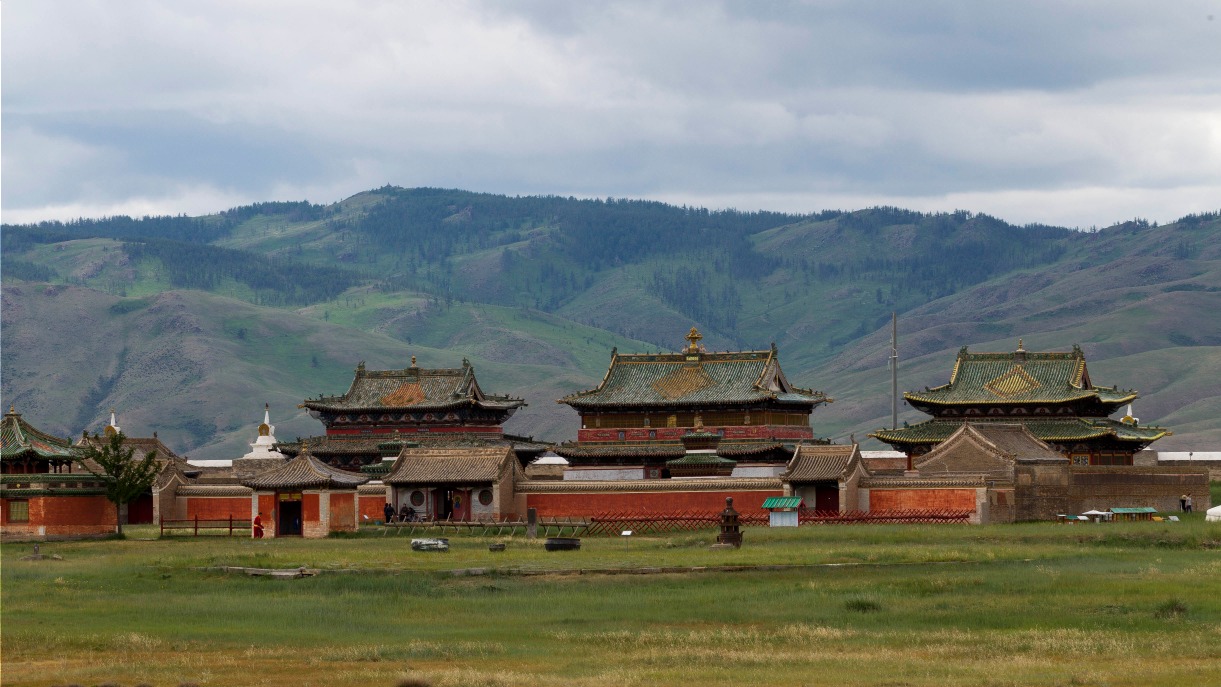
The legendary former capital of the Mongol Empire, founded by Genghis Khan, Karakorum is home to Erdene Zuu, the country's oldest Buddhist monastery, nestled in the UNESCO-listed Orkhon Valley.
The legendary city of Genghis Khan was founded in 1220 in the Orkhon Valley along the Silk Road. In 1235, his son Ogedei built the city and erected a protective wall around it with four gates. From this city, the Mongol Empire was governed until Kublai Khan moved the capital to Beijing.
Kharkhorin (Karakorum in English translation) was simultaneously a political, economic, administrative and religious center, and one of the greatest crossroads of civilizations. The city walls enclosed a square area measuring 400 meters on each side. The city featured four stone turtles that can still be observed today.
From the 8th century onward, the Mongols revered the turtle as divine. It symbolizes longevity, solidarity and independence, and is also the spirit animal of water. Four turtles were therefore installed in Karakorum to ward off flooding and ensure eternal prosperity.
The city was completely destroyed by Ming troops in 1380. Only a few remnants survive today, including two granite turtles, the foundations of a palace, stone lions, two columns and traces of irrigation channels. The site has been protected since 1961. During archaeological excavations in Karakorum's ruins, researchers uncovered 230 coins originating from a dozen different countries.
Accommodation in Karakorum
See all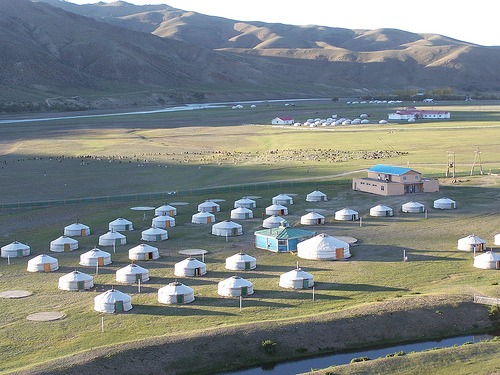
Camp de yourtes Anar
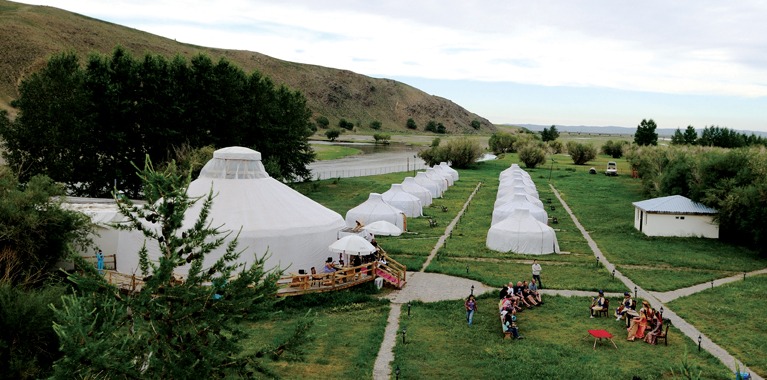
Camp de 50 yourtes à Karakorum, en bord de rivière Orkhon, à 5,5 km du monastère d'Erdene Zuu. Une base logistique pour groupes, à l'avis honnête.
Camp de yourtes Anja
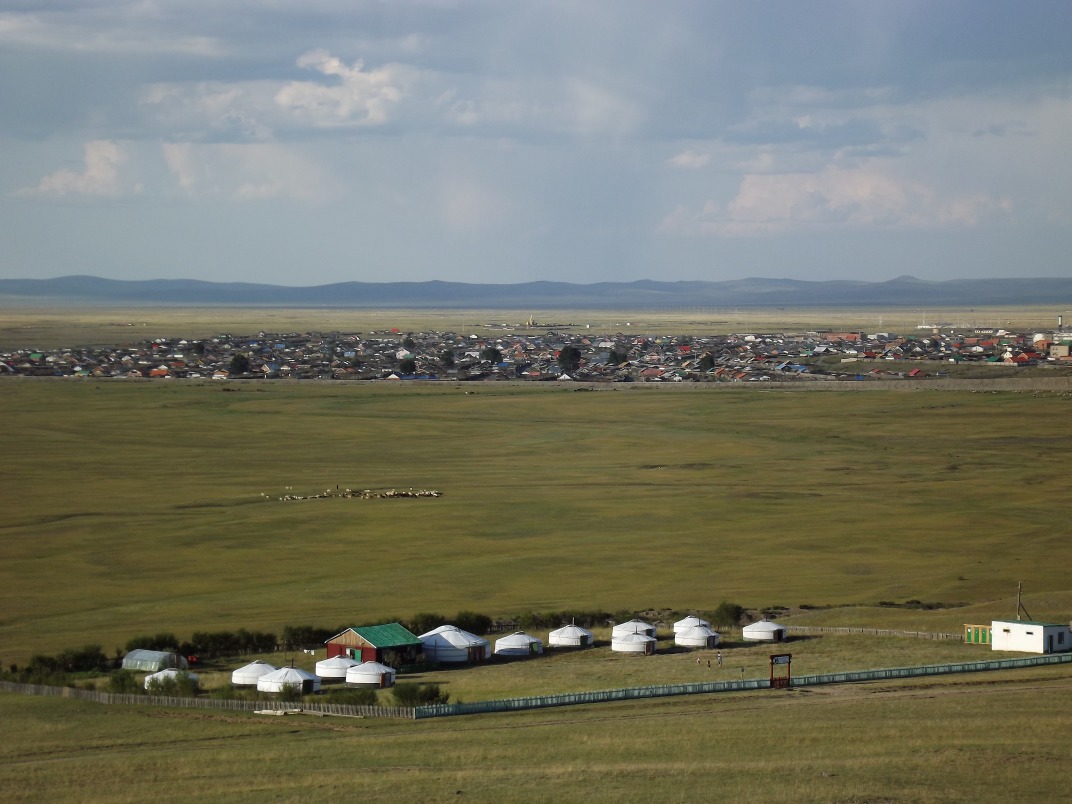
Petit camp familial de 13 yourtes à Karakorum, réputé pour sa cuisine du potager et son emplacement face à la vallée de l'Orkhon.
Resort Dream land
Complexe hôtelier fondé par le champion de sumo Dagvadorj Asashoryu, sur les rives de l'Orkhon, à proximité de Karakorum et du monastère d'Erdene Zuu.
Want to discover this destination?
Our local advisors design your tailor-made trip.