Ölgii
Ölgii
At Mongolia's far western edge, Ölgii embodies a distinctive Kazakh identity: eagle festival, mosques, intricate embroidery, and access to the majestic Altai massif.
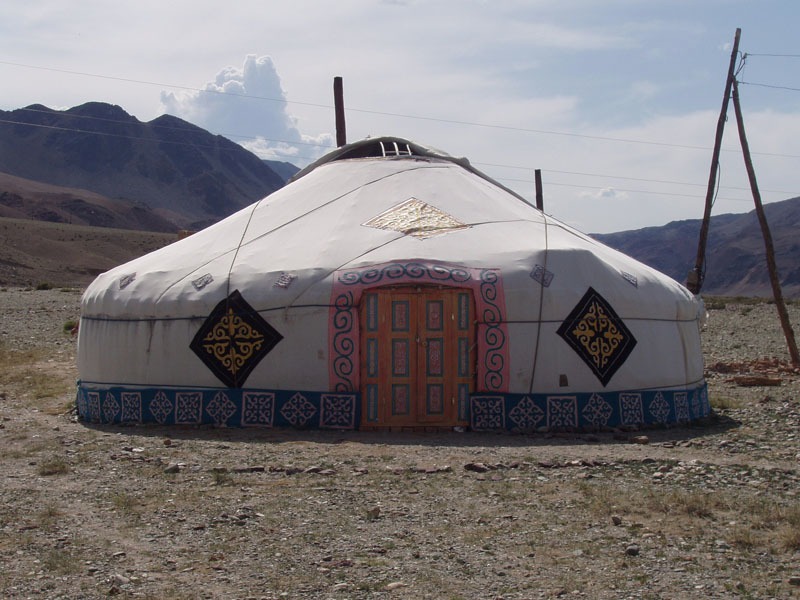
The city of Ölgii is the capital of Bayan-Ölgii province. Located at Mongolia's far western frontier at an elevation of 1,710 meters, the city is home to approximately 29,000 residents, predominantly of Kazakh origin. Kazakh is the primary language spoken in Ölgii. The city hosts four mosques and is celebrated for its Kazakh music, embroidery, and artistry—and of course, for its world-renowned Eagle Festival.
A road connects Ulaanbaatar to Ölgii in roughly 60 hours of travel with breaks (48 hours of actual driving time). Ölgii has a domestic airport offering flights to the capital in just 2.5 hours.
History
Before Mongolia's founding as a modern nation in 1911, Ölgii was a Kazakh village. The Kazakh people had inhabited the Mongolian Altai region for at least 200 years. Many settled here to escape pressure from the expanding Russian Empire, with their numbers swelling sharply after the Russian Communist Revolution of 1917 and the rise of communism in China. Ölgii became the center of Islam in Mongolia until the religious purges of 1930, when the mosque was destroyed and the imam executed.
Mongolia initially attempted to suppress Kazakh language and culture before establishing Bayan-Ölgii province in 1939, with Ölgii as its administrative capital. Much of the city center was constructed between 1950 and 1980. At that time, Ölgii remained less developed than the rest of the country, lacking any overland connections—road or rail—due to its geographic isolation and scarcity of natural resources.
Following Mongolia's democratic revolution in 1991 and the Soviet Union's collapse, 25 percent of the population returned to Kazakhstan, which had just achieved independence. Many later returned to Mongolia, allowing Ölgii to retain a substantial portion of its population.
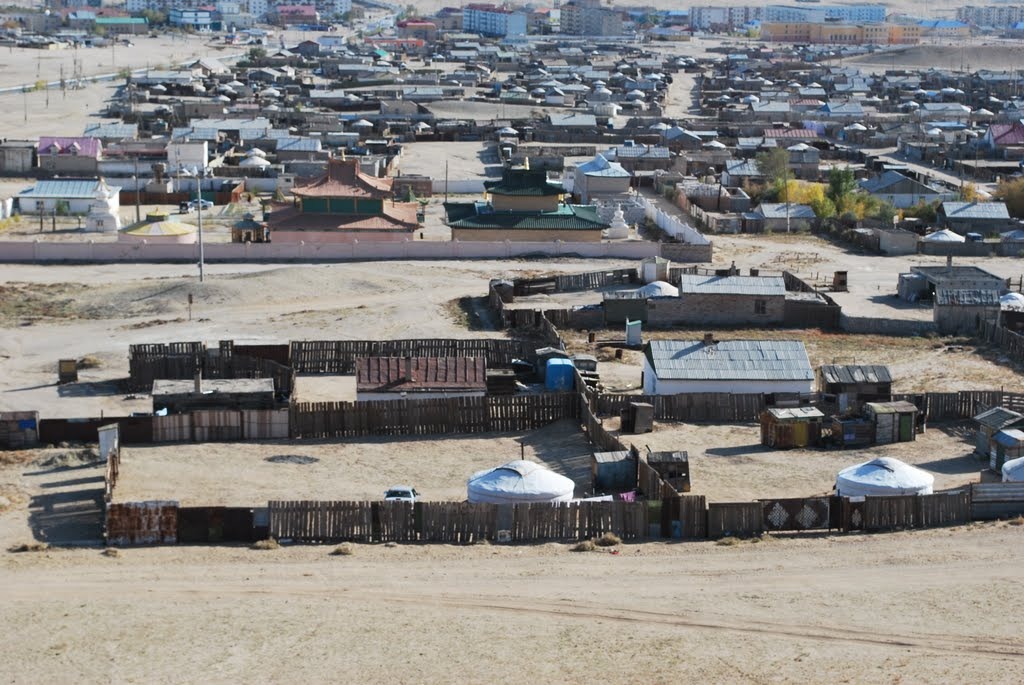
Since 2005, the city has expanded rapidly, with numerous new apartment buildings, shops, restaurants, and hotels transforming the urban landscape.
Like other post-communist cities, many industries shuttered during the 1990s, though a major wool processing plant and several smaller factories tied to pastoral activities continue to process goods from the province's two million livestock animals.
Accommodation in Ölgii
Want to discover this destination?
Our local advisors design your tailor-made trip.