Dornod Province
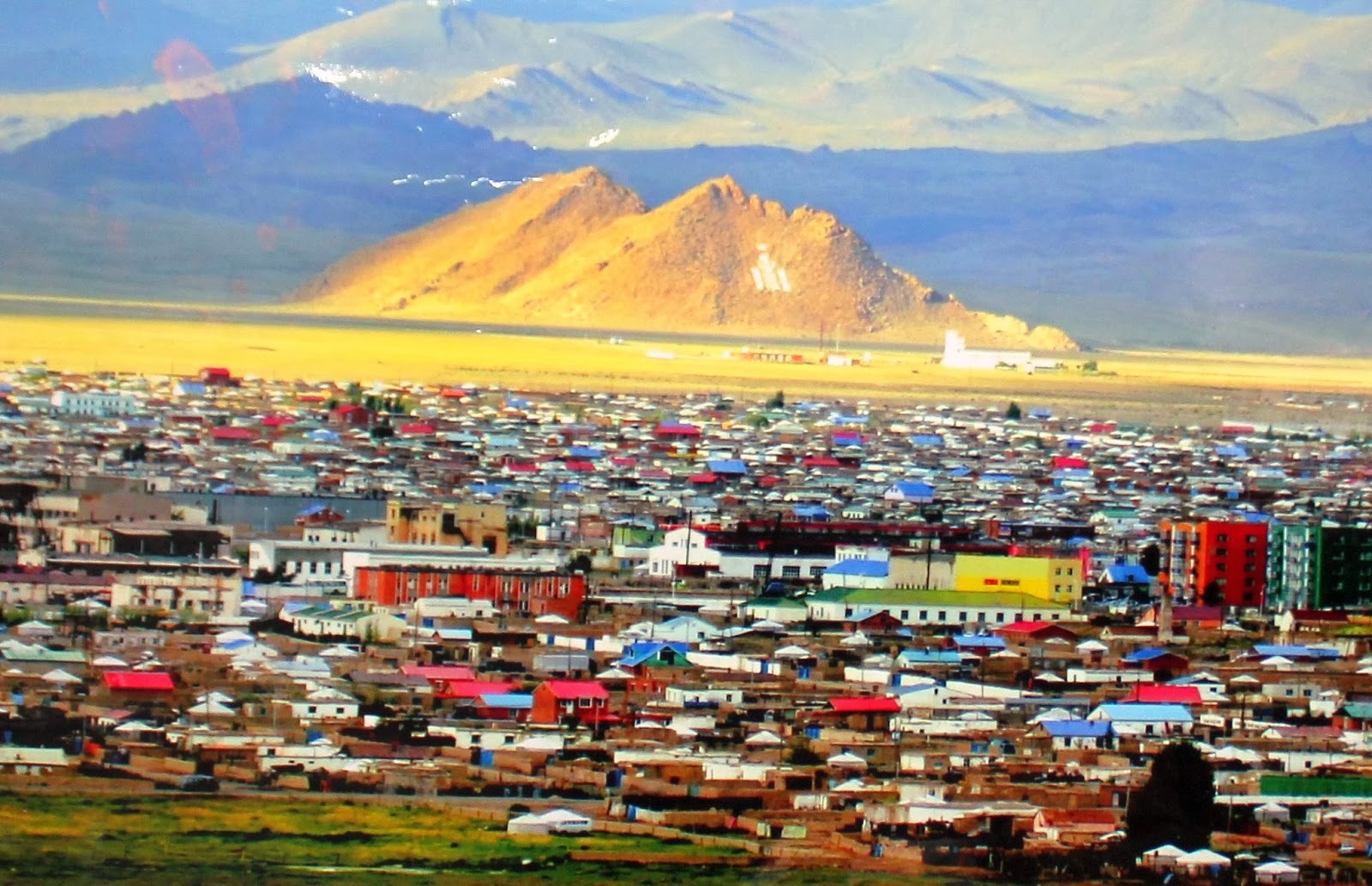
Territory: 123,600 km²Population (2000): 76,100Administrative center: Choibalsan, 656 km from UBNumber of Somons: 14Dornod Province was established in 1931.
Territory: 123,600 km² Population (2000): 76,100 Administrative center: Choibalsan, 656 km from UB Number of Somons: 14 Dornod Province was established in 1931.
Dornod Province shares its northern border with the Russian Federation and its southern and southeastern borders with the People's Republic of China.
The Khalkha are the predominant ethnic group in the province, though Buryat and Barga populations also live here, particularly in the somons of Ereentsav, Bayandun, Dashbalbar, and Tsagaan-Ovoo. The somons of Gurvan-Zagal and Khuluunbuir are inhabited by Uzemchins.
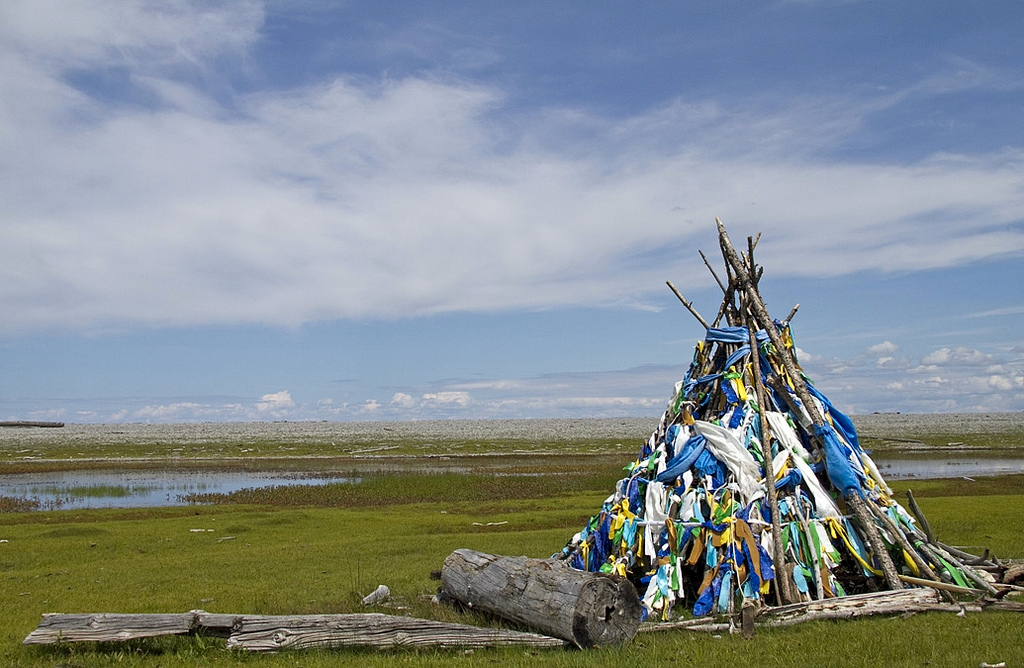
Four-fifths of the territory is hilly. The vast steppes of Menen, Matad, and Tamsag stretch across 300 kilometers from east to west, with some areas reaching 150 km in width. The steppes extend 150 to 200 km along both banks of the Kerulen River.
Mongolia's lowest point is located in the Khukh Lake basin (560 m) in the northeast of the province. Branches of the Khyangan Mountain range rise between 1,000 and 1,600 meters above sea level in the southwest of the aimag. Tall mountains also line the Uulz River, while small hills border the Onon River.
Annual precipitation reaches 250–300 mm.
The Onon, Kherulen, Khalkh, and Uulz rivers are the region's most important waterways. Dornod is also home to numerous lakes including Khulkh, Galuut, Bayan, Bulan, and Buir. The latter, the largest, is a freshwater lake, while the others are saltwater lakes. The province also features many natural springs, the most renowned being those at Tsagaan Khunduu, Utaat Minjuur, Ereen, and Tsagaan Chuluut.
Deer, moose, raccoons, wild boar, otters, and white-lipped deer inhabit the basins of the Onon and Ulz rivers, as well as the Khyangan Mountain range. Marmots prefer the steppe. The Onon basin is also home to bears, wild boar, and musk rats, while wolves and foxes can be spotted throughout the province, with lynx and squirrels being rarer sightings.
The soil is dark and brown, nurturing lush pastures. River basins are highly fertile.
Dornod Province boasts relatively well-developed infrastructure. 81.3% of arable land, approximately 10 million hectares, is cultivated or used for grazing. Wheat is grown on 305 km², while 3.9 km² is devoted to vegetable cultivation. The local economy is also supported by mining, light industry, food processing, and construction.
Livestock: 735,700 including: Horses: 95,400 Camels: 6,000 Cattle: 132,900 Sheep: 385,200 Goats: 116,200