The 10 Exceptional Monuments of Ulaanbaatar
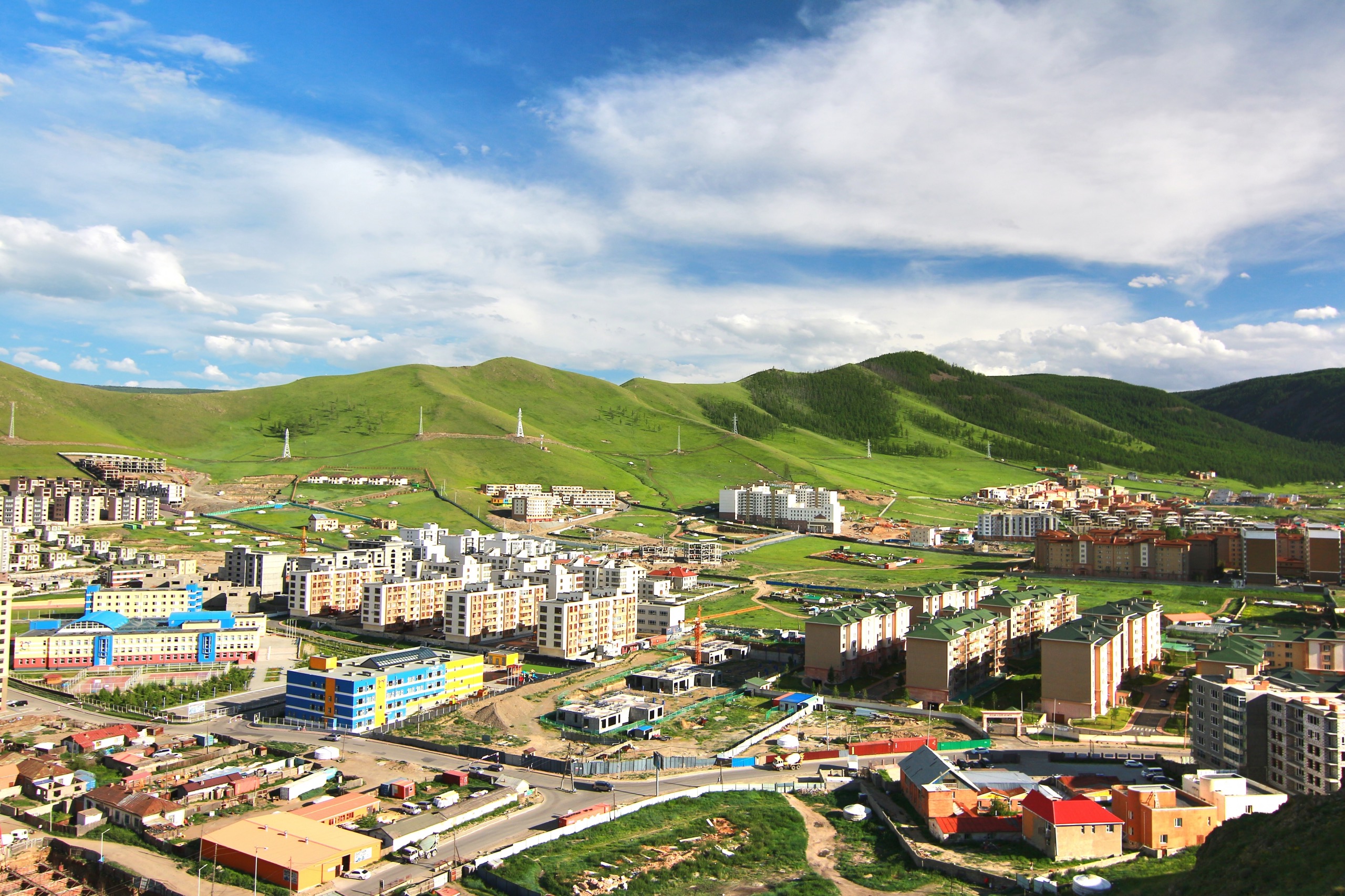
Mongolia's capital is home to numerous remarkable buildings. 79 of them are protected by the Mongolian State, making Ulaanbaatar a modern city in the midst of economic boom, yet respectful of past traditions and playing a significant role in the country's culture.
Mongolia's capital is home to numerous remarkable buildings. 79 of them are protected by the Mongolian State, making Ulaanbaatar a modern city in the midst of economic boom, yet respectful of past traditions and playing a significant role in the country's culture. We've gathered for you an essential selection of buildings that will captivate you during your next visit. Let's begin!
1. Blue Sky Tower
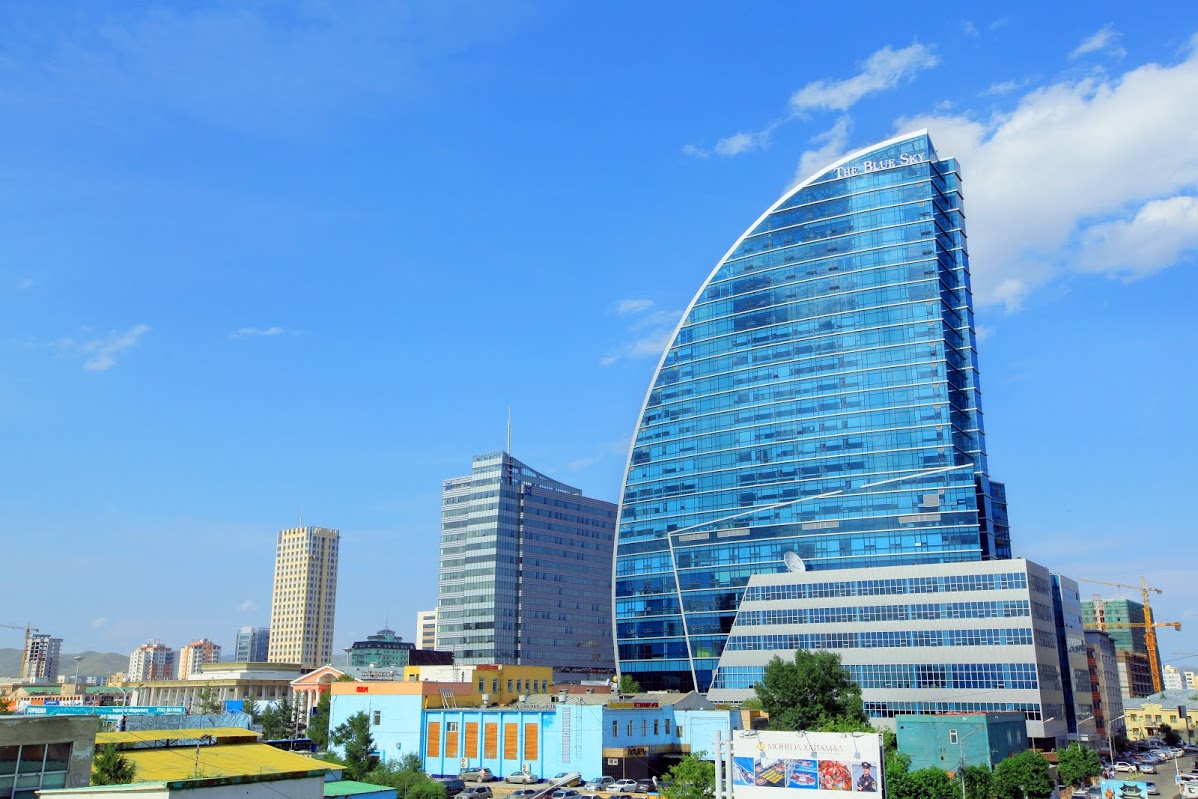
The Blue Sky Tower, located in the heart of the capital, stands 105 meters tall with 25 floors, commanding views over the city and its horizons. Facing the main Genghis Khan Square, this glass and steel colossus illuminates the city with its bluish reflections and modern design. Built in 2009, this skyscraper houses apartments, offices, restaurants, parking garages, conference rooms, and a hotel. The latter, situated on the upper floors, features 200 rooms and 12 suites, guaranteeing luxury and comfort for all guests. If you pass through the capital, you absolutely must visit the restaurant, which offers breathtaking views extending to the city's outskirts.
2. Winter Palace of Bogd Khan
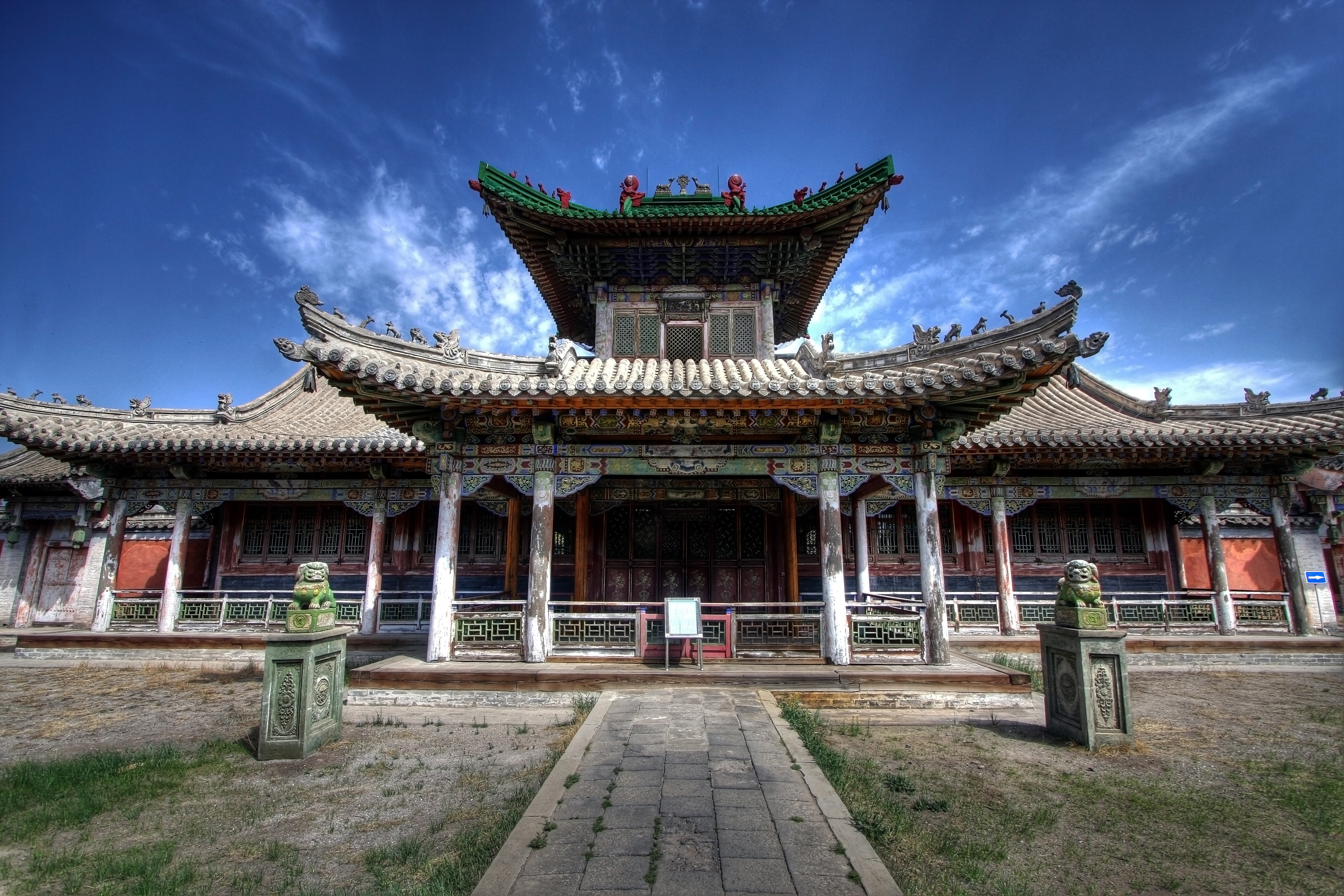
The Bogd Khan Palace is one of the most important monuments in Mongolian history and architecture. Built between 1893 and 1903, it is divided into two sections:
- The Summer Palace with its seven temples and pagodas, constituting a majestic cultural ensemble in beautifully preserved Chinese style.
- The Winter Palace, a two-story building constructed by Russian architects in European style.
For about two decades, the Winter Palace served as the winter residence of the eighth Mongolian Buddhist leader, Bogdo Javzandamba Agvaanluvsan, and his wife, Queen Dondogdulam. The main temple gate is dedicated to the eighth Bogdo, head of both state and church. It remains the last surviving residence among the four where the final Bogd Khan lived. The palace was nationalized in 1924, restored in 1961, and transformed into a museum in 1974 under the name of the Bogd Khan Museum. In the Summer Palace, you'll find mainly ancient statues of deities. The Winter Palace is located approximately 1.5 kilometers south of Sukhbaatar Square. You'll need to pass the Bayangol Hotel, cross Peace Bridge, and continue straight until the intersection of Zaisan Road and the airport road. That's where you'll find the Winter Palace.
3. National Theatre of Art
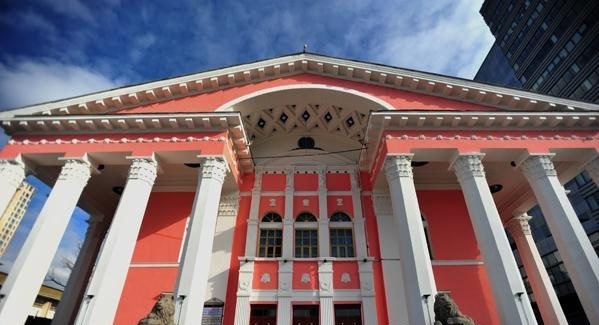
This salmon-pink theater is located just steps from the central square, at the intersection of Seoul Street and Chingis Avenue. The building was created in 1931 and belongs to the Mongolian State. The theater's interior was designed by architects B.Chimed and A.Khishigt. The theater actively participates in major cultural events and offers a classical repertoire of international and Mongolian plays and operas. It was from this stage that many Mongolian artists and actors launched their careers before venturing abroad in the early 1930s to countries like Russia and beyond. Today, many renowned works are performed, including those by Shakespeare, Sophocles, and of course from the Mongolian repertoire. A pleasure for both the eyes and ears, an essential stop if you pass through Ulaanbaatar!
4. Dashchoilin Monastery
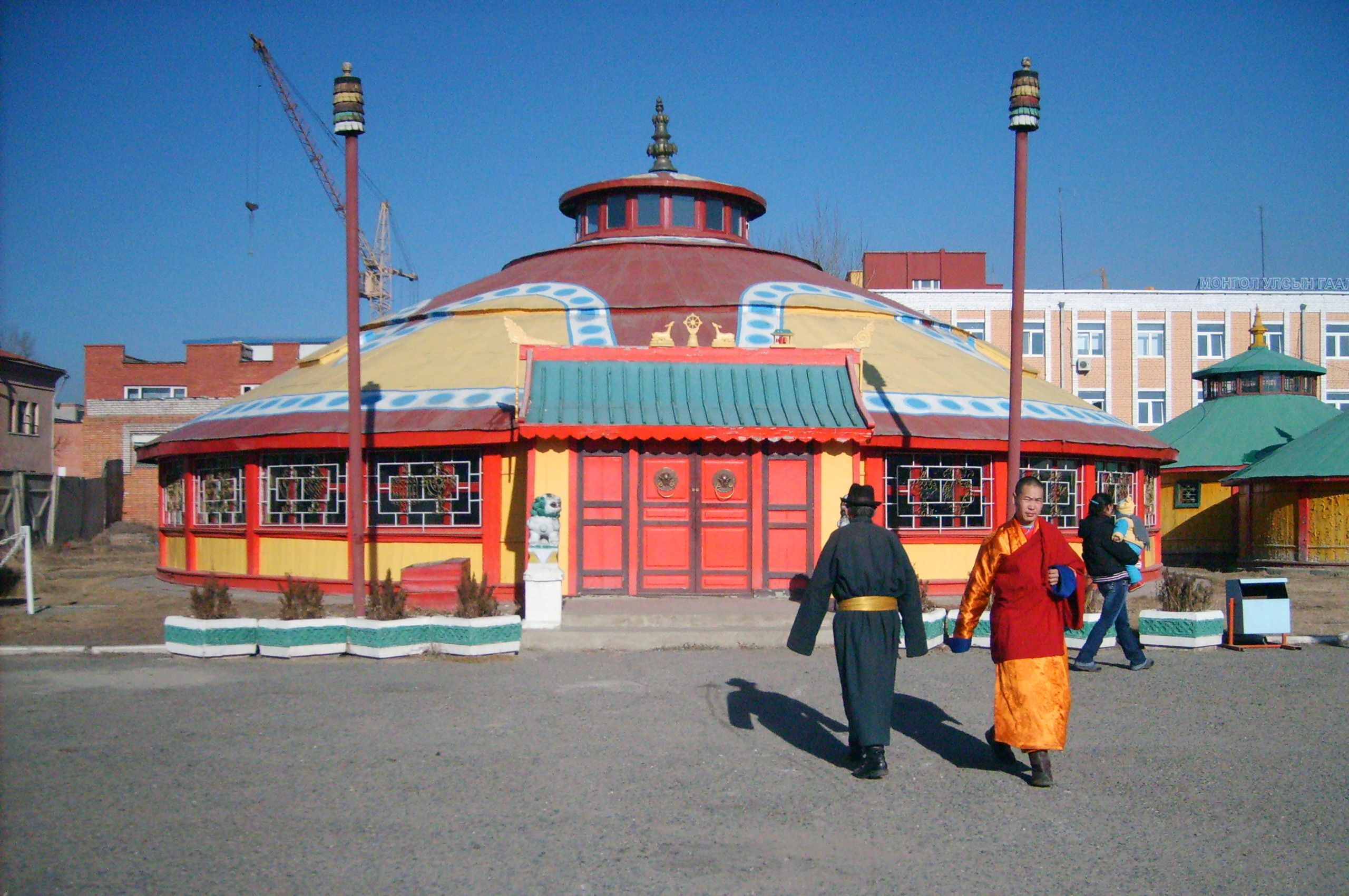
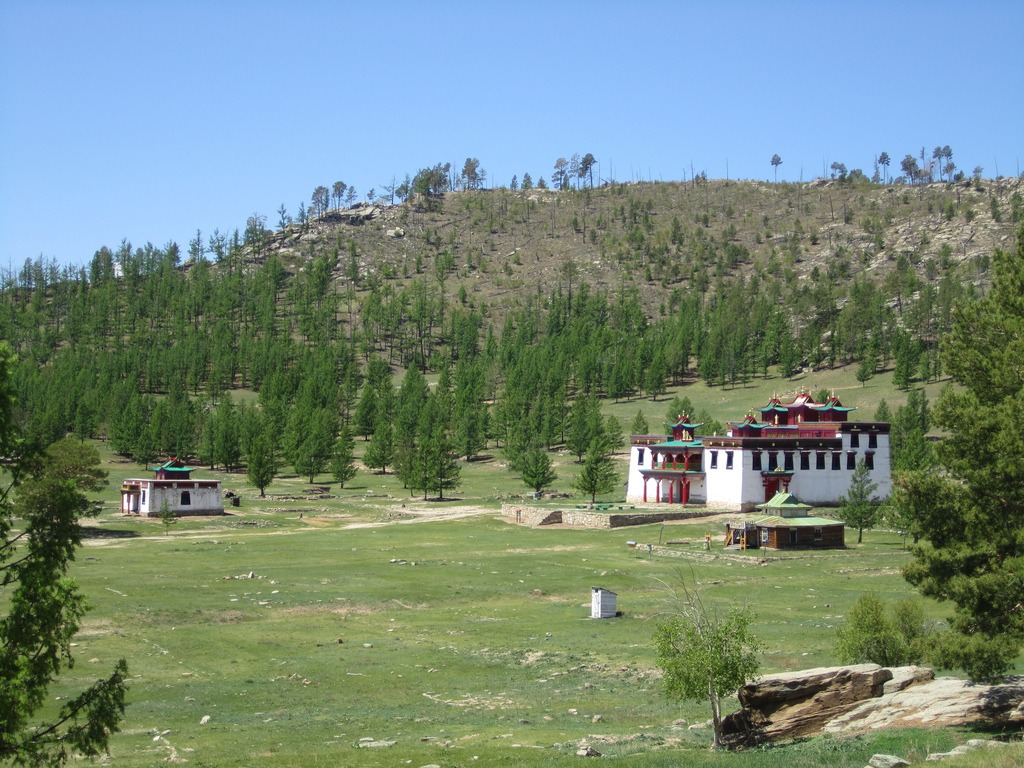
This monastery ranks among the last three of its kind, featuring a chapel in the form of a wooden yurt. The temple is a wooden structure based on stone foundations with a diameter of 19 meters and a height of 6 meters, topped with a dome roof supported by six pillars. Once capable of accommodating 100 to 600 lamas in service, the temple was later seized by the government and closed in 1938. In 1990, the monastery was reopened. Location: Sukhbaatar District, 8th khoroo
5. Gandan Monastery

Gandan Monastery is a Buddhist monastery in Tibetan style. Its name translates to "The Great Place of Complete Joy". Currently, several hundred monks reside there. It houses a statue of Megjid-Janraiseg standing 26.5 meters tall. Megjid-Janraiseg is a bodhisattva, a sage who guides mankind on the path of Truth. He represents compassion.
6. Choijin Lama Temple
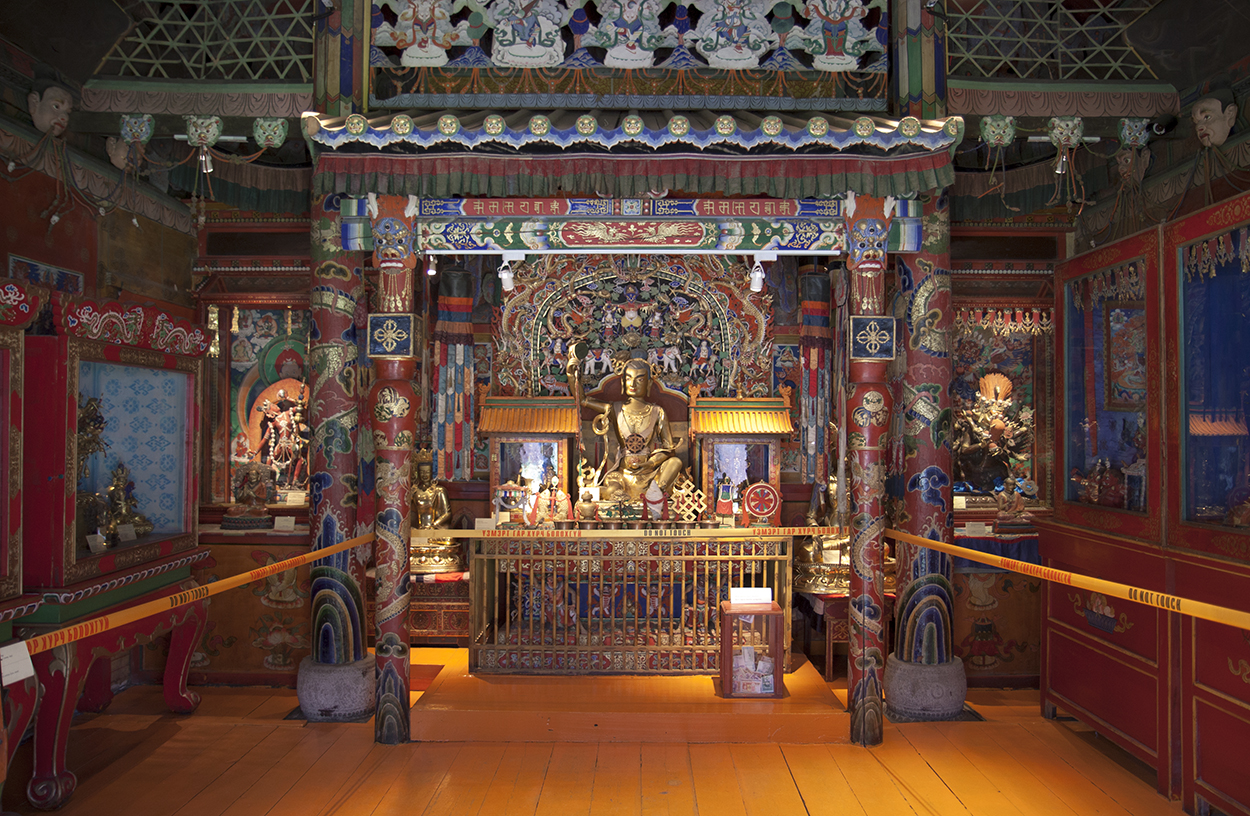
Choijin Lama Monastery, also known as the Museum of Religion, comprises an ensemble of five temples built between 1904 and 1908. It is dedicated to Choijin Lama Luvsankhaidav, the younger brother of the eighth Bogdo Khan. Considered one of Mongolia's most beautiful monasteries, it ceased functioning as a place of worship in 1938. It could have been destroyed but was saved and became a museum in 1942, intended to exhibit the feudal beliefs of the past. It was restored in 1960-1961, but remains a museum, with no religious activities.
7. Central Palace of Culture

This monument was given as a gift in 1987 by the Soviets. Divided into four wings—A, B, C, and D—it houses various establishments including the National Art Gallery, the Museum of Mongolian Theatre, and the National Philharmonic Hall. Beautiful musical performances take place here, such as Morin Khuur concerts featuring over 100 musicians on stage.
8. National University of Mongolia
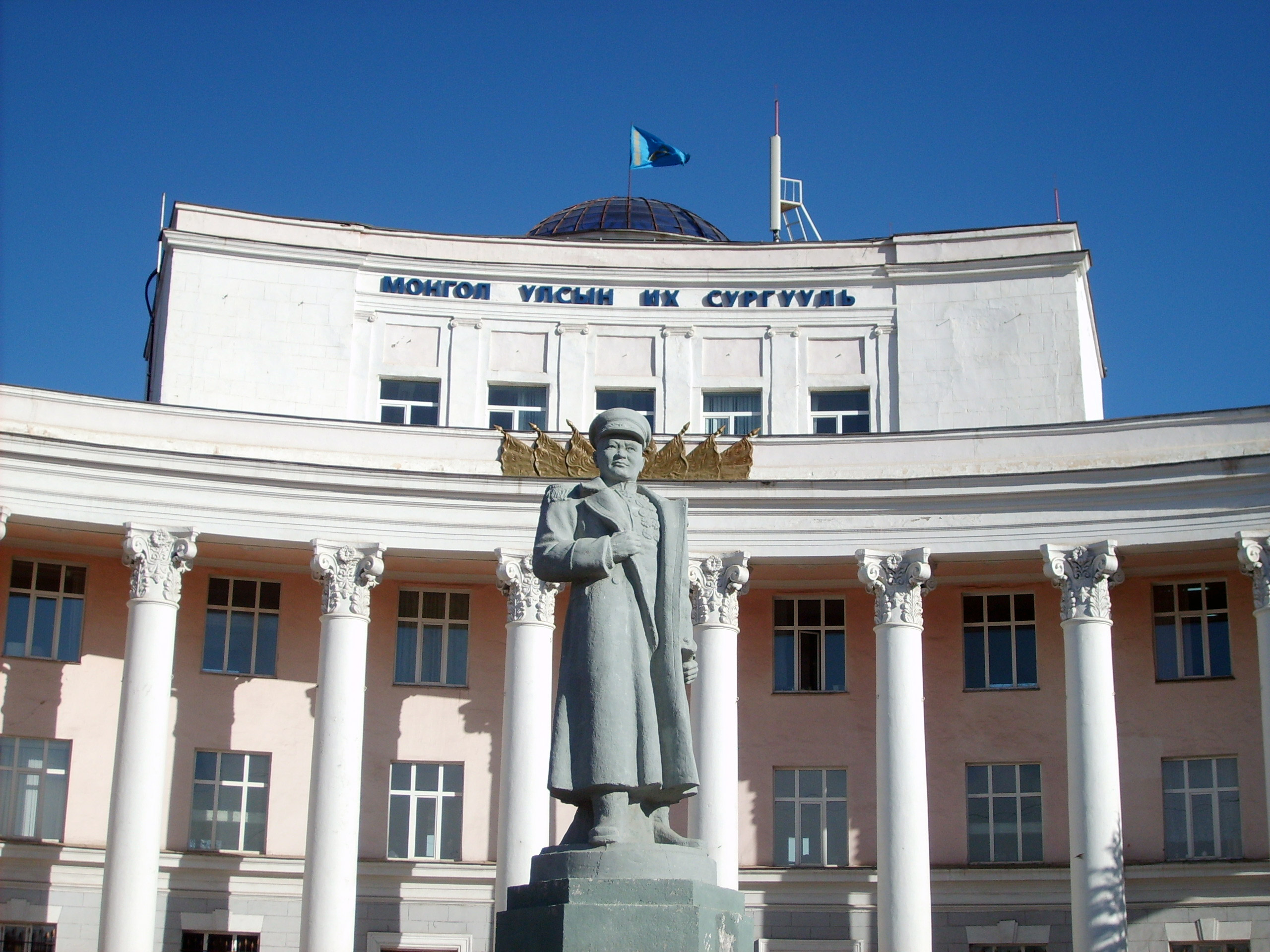
This building was designed by Soviet architect N.M.Shchepetilnikov in 1943 and constructed under the direction of Soviet engineer Gurevich. The entire building was completed in 1947. Between 1945 and 1947, over 700 Japanese prisoners were assigned to its construction.
9. Wedding Palace

Considered one of the most historic buildings with unique architecture. Built in 1976 by the Russians, it has been used for hundreds of weddings since. The central entrance was designed by award-winning architect D.Amgalan (1933–2008) and decorated by students from the School of Fine Arts. Location: Sukhbaatar District, 8th khoroo
10. National Opera House
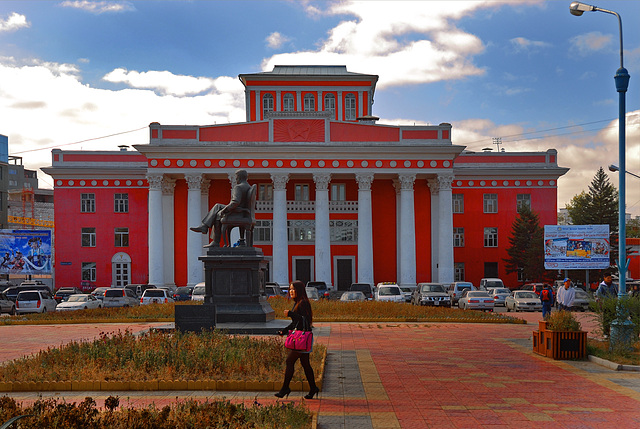
Opened in 1963 with the famous Tchaikovsky ballet Eugene Onegin. This building in pink tones recalls Soviet-era architecture in its design. Built in 1932, this is where operas and ballets are performed. A wonderful program of great classics and many other works awaits throughout the year, featuring artists from Russia, Italy, Korea, Japan, and Australia.
There you have it! You now know much more about what makes Ulaanbaatar's identity, with its history and culture. Beautiful colors, sounds that delight the ear, a vision of the old and the modern... It's a true capital of which Mongols are proud! Leave us your thoughts about this beautiful city if you've had the chance to visit—we're curious to know what you thought!