The Right Practices to Preserve Mongolia's Nature While Traveling
For several centuries in Mongolia, certain geographic zones have enjoyed special status and are off-limits to hunting, construction, or nomadic settlement. These restrictions were often rooted in
02 May 2018For several centuries in Mongolia, certain geographic zones have enjoyed special status and are off-limits to hunting, construction, or nomadic settlement. These restrictions were often rooted in religious considerations and primarily concerned sacred mountains. Yet since the socialist era, the number of such protected regions has multiplied significantly.
The concept of environment, Baïgal Orchin (natural milieu), is linked to an abstract principle of forces circulating between beings through the mediation of spirits. Thus, all living beings—animals, plants, minerals, and humans—possess a soul and a spirit. This is why Mongolian traditions, grounded in the pastoral economy of nomadic herders, foster environmentally respectful practices.
A Touch of Mongolian Culture
It's important to understand that in Mongolia, humanity does not occupy a central place in the landscape. While the treatment of biodegradable waste aligns well with environmental protection principles, this alignment breaks down when it comes to waste from manufactured products or air pollution, especially in cities (vehicle fuels and combustibles). The education of Mongols regarding polluting waste remains a work in progress; however, they have much to teach us about their environmental worldview and ecological practices.
Fire, for example, is sacred and purifying. Mongolian and Western ecological conceptions converge here, yet where we might be inclined to dispose of our waste by throwing it into the fire to purify our environment, Mongols never discard waste into the central hearth of the ger, as this would defile it.
Moreover, the activities of raptors form a cleaning chain in which each scavenging species has its specialty. Carnivorous raptors—kites, eagles, and falcons—prevent the proliferation of small rodents and other small mammals. Carrion-feeding raptors—vultures, bearded vultures, and various species of crows—by cleaning the carcasses of dead animals, prevent the spread of epidemics.
How to Travel Zero-Waste in Mongolia?
Zero-waste travel is a term that has become fashionable in recent times, and for good reason. Traveling is wonderful, but traveling responsibly is better! Being conscious and mindful of your environment when traveling matters.
As mentioned earlier, in Mongolia, nature is sacred, and we must all adapt to it and respect it so that our passage leaves no impact on its beauty. There are a few simple rules—sometimes a matter of common sense, sometimes of logic—that are easy to adopt and can greatly benefit the environment:
- Use your own utensils rather than disposable plastic cutlery. - If you're staying in a hotel, there's no need to have your sheets and towels changed daily. - Favor local markets over supermarkets. - Refuse plastic or straw packaging. - Carry a reusable bag with you. - Support ecological initiatives. - Use refillable water bottles or flasks rather than plastic bottles. - Bring a waterproof garbage bag to collect your waste, which you can dispose of properly once you reach a city. - Don't leave toilet paper in the wild (use your garbage bag instead). - Don't throw cigarette butts into nature; use a pocket ashtray, for example. - Favor cloth tissues that you can wash by hand at your hotel.
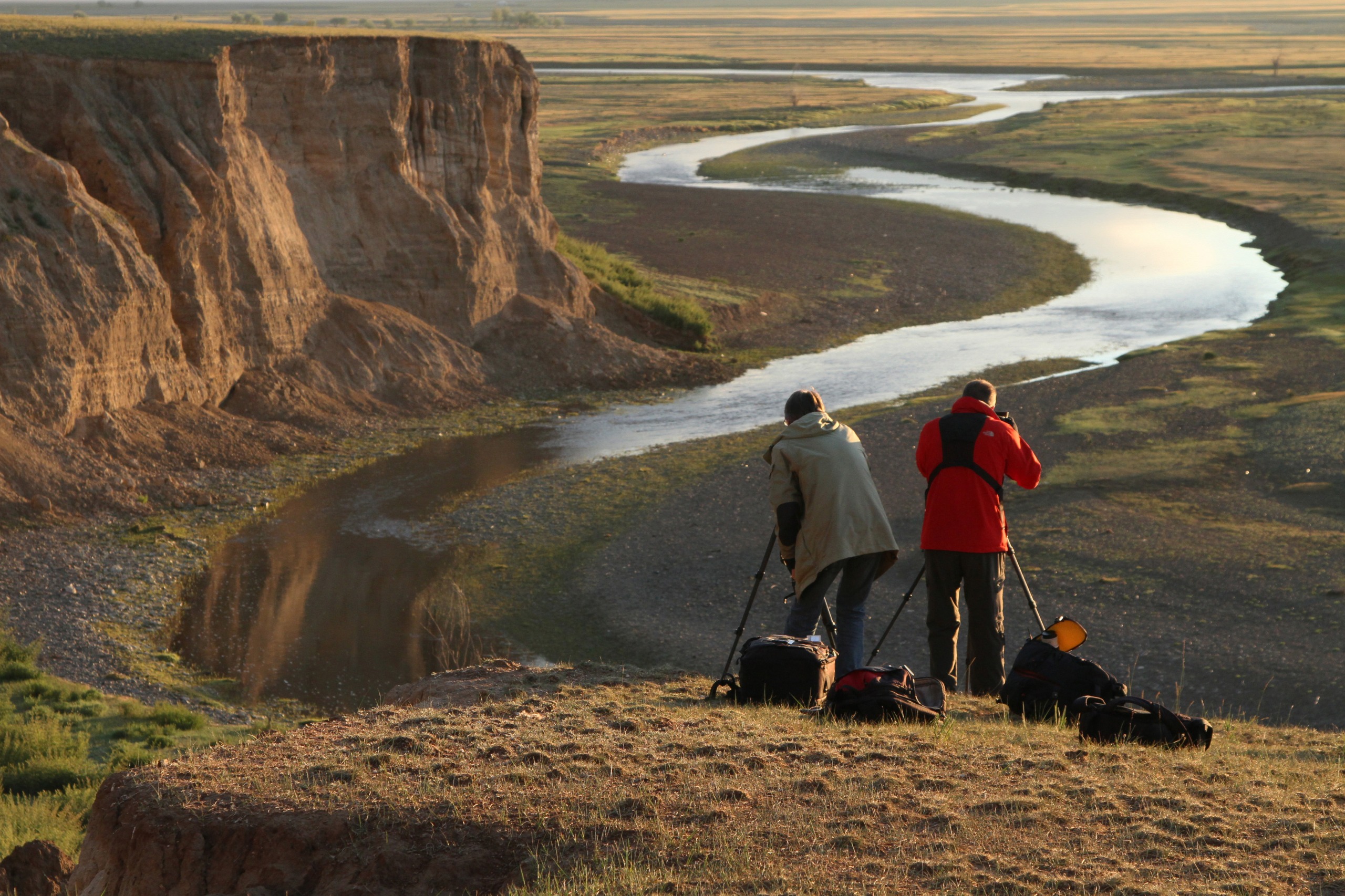
Beyond zero-waste behaviors, it's important to respect nature and those who inhabit it. In Mongolia, it's not uncommon to encounter wild animals, whether rare or common. Respect these animals by observing them from a distance, without shouting or attempting to catch them—this will offer you unique moments of observation and perhaps spare you some unfortunate incidents. Don't pick flowers or wild plants you find along your way, and don't damage the places where you sleep, especially when camping.
Passing through and leaving no trace of your visit is the best way to respect what nature offers you. Let's keep in mind that Mongolia is discovered for its still-preserved natural landscapes. Let's preserve this nature so we can continue to enjoy these wonderful and unique landscapes for years to come.
SocietyTourismCharlène NomadaysA founding SEO writer at Nomadays who evolved into content manager and head of communications, Charlène has accompanied the adventure from its inception with passion and loyalty. After living seven years across Asia—from China to Thailand, passing through Mongolia and South Korea—she has made travel a way of being in the world. A lover of words, nature, and human connection, she strives to convey in her writing a sensitive, engaged, and responsible vision of tourism. For her, each article is a bridge between curiosity, respect, and wonder.