Arvaikheer
Arvaikheer
Arvaikheer, capital of Övörkhangai 440 km from Ulan Bator: a cultural stopover between barley steppe, a rebuilt monastery, and the mild microclimate of central Mongolie.
The city of Arvaikheer, meaning "barley steppe", is the capital of Övörkhangai province and one of the most centrally located settlements in Mongolie. With a population of approximately 26,000 inhabitants, the city is renowned for its traditional craftsmanship, goat herding, and equestrian sports. It hosts a major regional horse festival every year.
Arvaikheer lies 440 km southwest of Ulan Bator, connected by an asphalt road that takes roughly 6.5 hours to drive.
Infrastructure
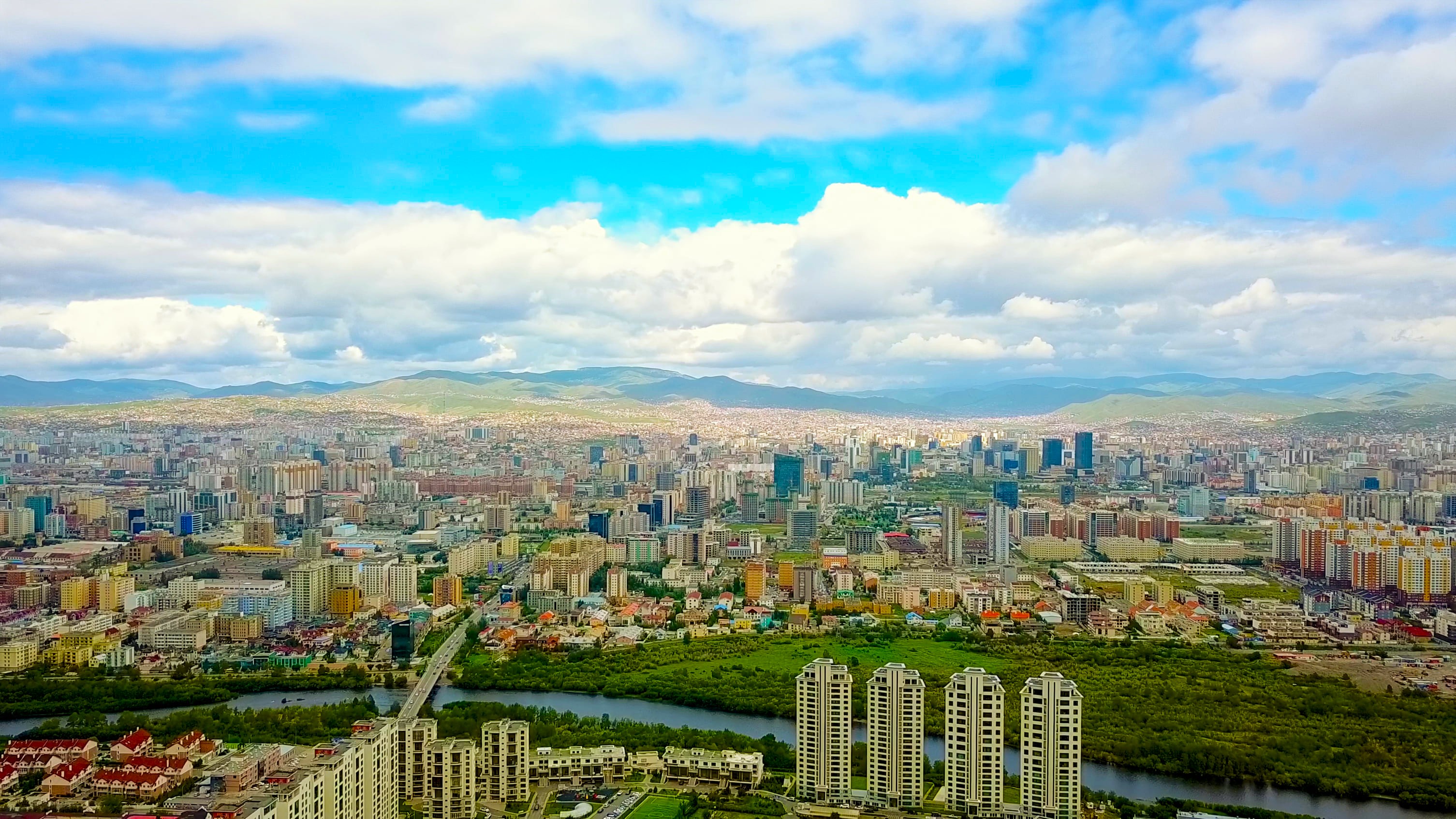
Until 1990, Arvaikheer served as the headquarters of a significant Soviet military division, profoundly shaping daily life in the city. Following the collapse of communism, however, many public buildings underwent renovation or reconstruction, including the Sports Palace on the eastern edge of town, opposite which a large park was developed. Another park was created to the west of the city center. Unlike most other provincial towns, the majority of Arvaikheer's population lives in stone houses rather than traditional yurts.
Several modern buildings in the city center merit attention, including the municipal administration building and the recently renovated theater, both located on the central square. Arvaikheer's main street is a broad, tree-lined avenue where two monuments from the communist era are worth a pause.
Gandan Muntsaglan Khiid is a significant monastery located approximately 1.5 km from the central square. Ordered destroyed in 1937 by Horloogiin Choibalsan, it reopened in 1991 and currently houses around 60 monks.
The Provincial Museum showcases various fossils and artifacts from Kharkhorin and is well worth a visit. Another museum is dedicated to the artist and first Bogd Gegeen, Zanabazar.
Arvaikheer is equipped with a large hospital, kindergarten, and several primary and secondary schools. The city offers three hotels, an internet café, and several restaurants. Compared to other Mongolian cities, Arvaikheer boasts a notably wide selection of shops.
Climate
Arvaikheer benefits from a microclimate that favors all of central Mongolie. The climate is semi-arid with mild summers and relatively gentle winters by Mongolian standards. The temperature variation between the coldest month (January) and warmest month (July) spans only 30°C, making it one of the warmest places in Mongolie, alongside Tsetserleg in Arkhangai province.
Its geographical position at 1,813 meters elevation, nestled at the foot of hills east of the Khangai range, further enhances its mild character by sheltering the city from cold air pools that sweep across the steppes. Most precipitation falls as summer rain, with snow appearing in spring and autumn. Winters are remarkably dry.
Want to discover this destination?
Our local advisors design your tailor-made trip.