The Khoïd Tsenkher Cave Paintings
The Khoïd Tsenkher Cave Paintings
At the foot of Chandmani Mountain, the Khoïd Tsenkher caves shelter rock paintings dating back 20,000 years, a rare testimony to parietal art in Central Asia.
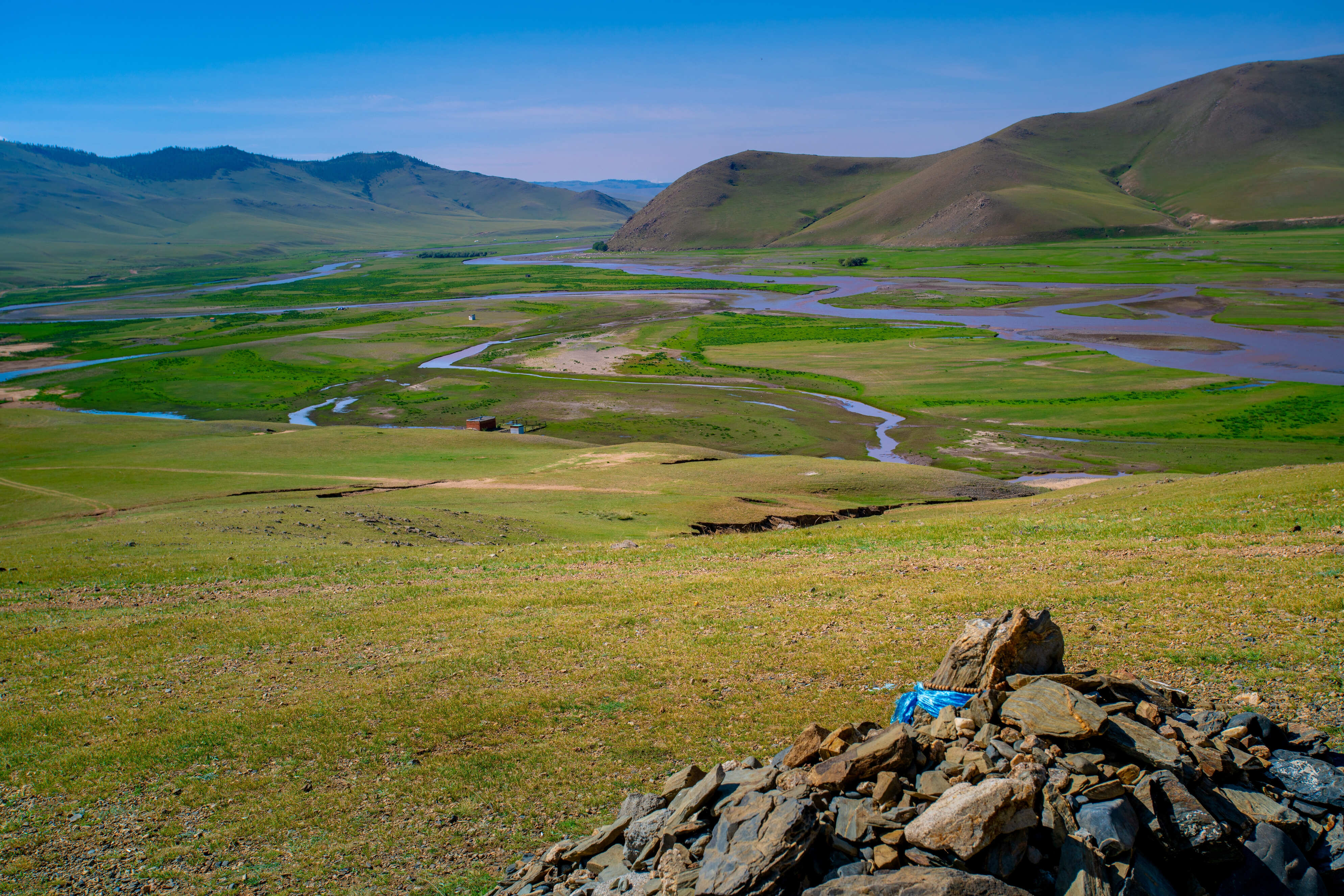
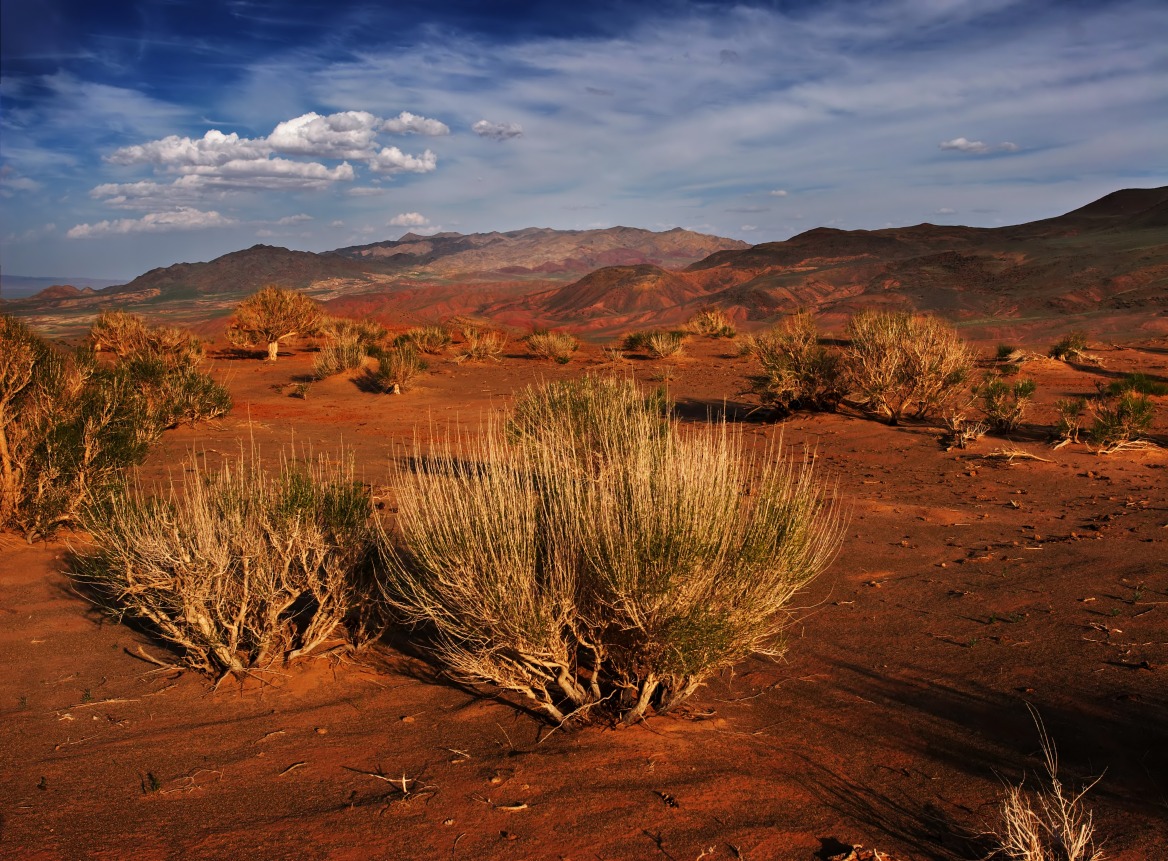
The Tsenkher caves are located west of the sum of Mankhan, in Khovd province, approximately 100 kilometers south of the town of Khovd. They sit at 2,200 meters elevation, along the banks of the Khoid Tsenkher river, at the foot of Chandmani Mountain.
These caves were explored in 1967 by a Soviet-Mongolian archaeological expedition. They contain remarkable examples of Stone Age parietal art in Mongolie. The rock paintings are believed to date from the Upper Paleolithic period (20,000-15,000 years before Christ). The artwork depicts various animals, including bulls, ibexes, wild sheep, gazelles, camels, elephants, ostriches, and serpents, as well as trees. They are painted in red ochre. These rock paintings have been protected by the state since 1971 and have been on Mongolie's tentative list for UNESCO World Heritage status since 1996.
One of the caves extends 40 meters in length, while the second cave, which contains two chambers, stretches over 130 meters long. The discovery of these caves is of paramount importance: it confirms the hypothesis that the entire mountainous region of western Mongolie was inhabited by hunters during the Stone Age. Most significantly, it demonstrates that parietal art originated not only in the West, but equally in the very heart of Asia, in Mongolie.
Want to discover this destination?
Our local advisors design your tailor-made trip.