Khövsgöl National Park
Khövsgöl National Park
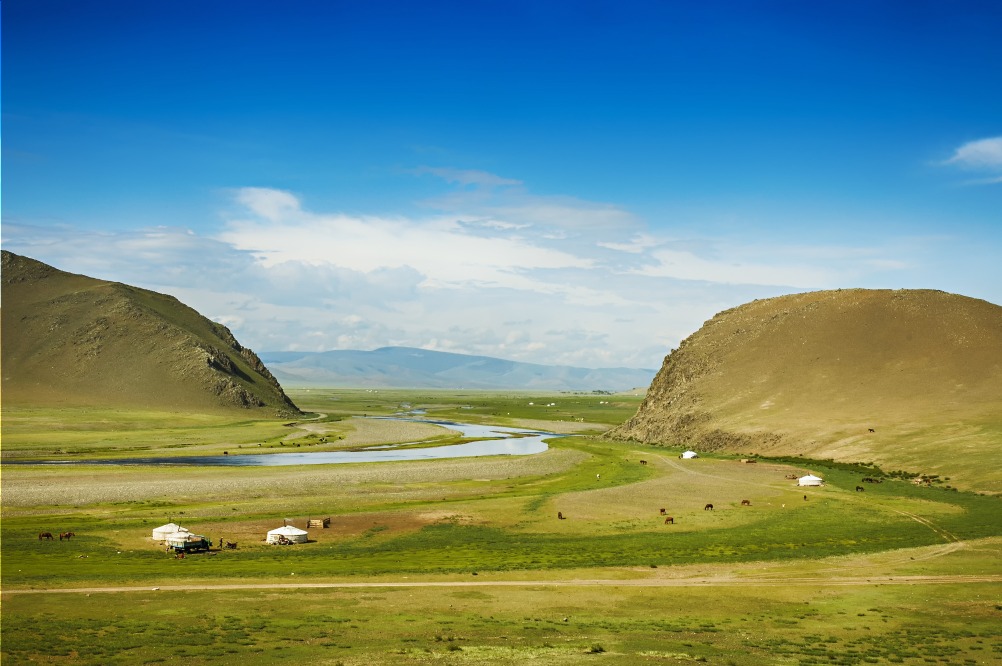
At 1,645 meters elevation, Khövsgöl Lake stretches across 136 km of pristine waters between pine forests and nomadic encampments. Your complete guide to the national park.
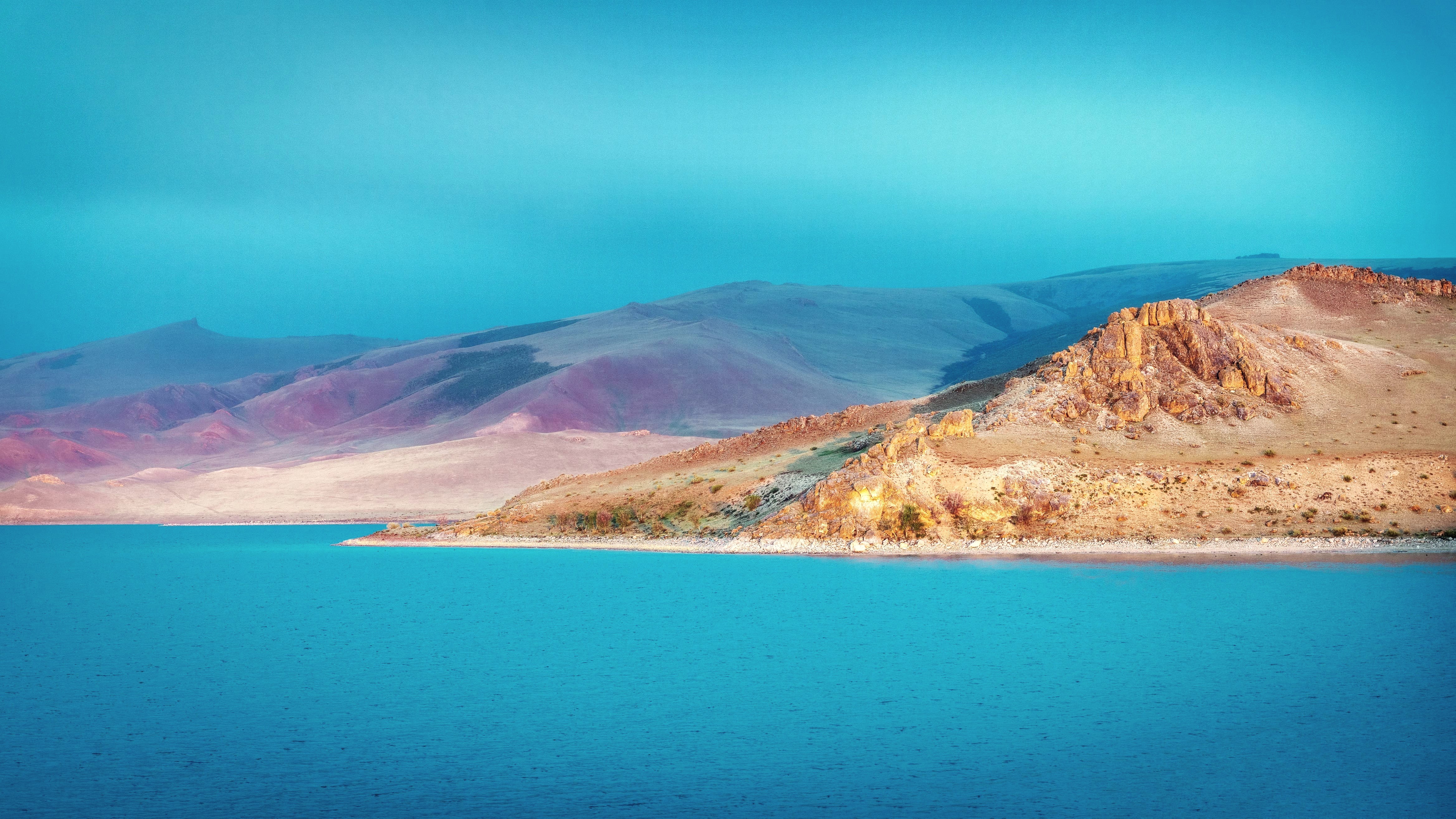
Situated at 1,645 meters elevation, Khövsgöl Lake is a genuine inland sea extending 136 km in length, 36 km in width, and reaching depths of up to 267 meters. It holds within itself 2% of the world's freshwater reserves (480.7 km³). It earns the nickname "Mongolia's blue pearl" for its exceptionally clear waters, so pure they are drinkable. It is Mongolia's second-largest lake by surface area, after Lake Uvs, a saltwater lake situated in the country's west. Khövsgöl Lake and its surroundings form a protected natural park.
Khövsgöl Lake was formed by the same tectonic forces that shaped the massive Lake Baikal, located 195 km further north in Siberia. The two lakes are indeed connected by a network of rivers, which is why Khövsgöl is called its "little brother." The water must travel more than 1,000 km after leaving Khövsgöl before flowing into Baikal.
Nearly a hundred rivers flow into Khövsgöl Lake. The lake itself drains into the Eg River, which empties into Lake Baikal. The lake is surrounded by a dozen peaks rising above 2,000 meters in elevation and cloaked in pine forests.
It is an exceptionally fish-rich lake. Omul from Baikal, lenok trout, Arctic char, and Siberian sturgeon have found excellent conditions here. The lake is also home to numerous bird and mammal species, including sable, beaver, Mongolian deer, Siberian roe deer, brown bears, and lynx. Among the endemic plants of this region are yellow marsh saxifrage and valerian.
The lake freezes between January and April, when visitors can enjoy dog sledding and troika rides.
Want to discover this destination?
Our local advisors design your tailor-made trip.