Gün Galuut Nature Reserve
Gün Galuut Nature Reserve
Just 2.5 hours from Ulaanbaatar, Gun-Galuut encompasses mountains, lakes and steppes across 20,000 hectares — an intimate ecotourism sanctuary.
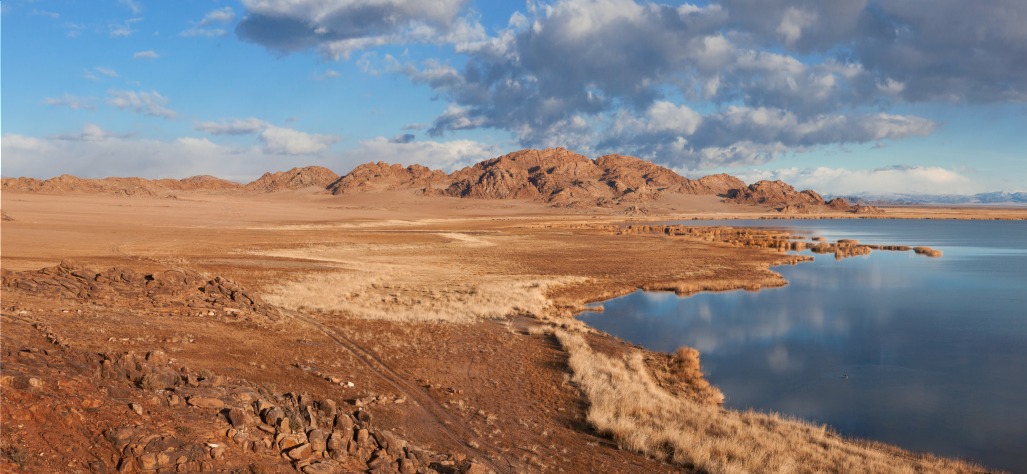
The Gün Galuut Nature Reserve offers a remarkably diverse ecosystem across a relatively compact territory of approximately 20,000 hectares. Located 130 km east of Ulaanbaatar, the reserve is easily accessible via a well-maintained asphalt road in roughly 2.5 hours. A visit to the reserve pairs seamlessly with a stop at the Genghis Khan Equestrian Statue and an excursion to Gorkhi-Terelj National Park.
Overview
The Gün Galuut Nature Reserve is a protected zone established locally to conserve species threatened globally. Founded in 2003 by citizens representing the Khoural (local parliament) of Bayandelger sum, Töv Province, it comprises three distinct zones: one designated as "tourist-friendly" and open to visitors, another with restricted access, and a central zone that is strictly off-limits.
The site harmoniously combines towering mountain ranges, steppe grasslands, rivers and lakes, and wetland zones that remain largely untouched by human impact. The reserve also serves as a sanctuary for rare wildlife including argali sheep, Siberian white cranes, white-naped cranes, hooded cranes, red falcons, cinereous vultures, and bean geese.
Mountain Ranges
Gün Galuut Nature Reserve sits at an average elevation of 1,200 meters above sea level. The Baits (1,641 meters) and Berkh (1,631 meters) peaks dominate the landscape. Mount Baits rises in the reserve's center, while Mount Berkh stands at its southern extreme. Both peaks support abundant fauna and flora.
Remarkably, Mount Baits harbors only a single tree—a larch. Wildlife inhabitants include argali sheep, gray wolves, red foxes, lynx, Pallas's cat (Felis manul), badgers, hares, marmots, and various rodent species. White gazelles frequently venture to the mountain's eastern slopes. Bird species include steppe eagles, golden eagles, saker falcons, common kestrels, greater spotted eagles, rough-legged buzzards, Mongolian larks, calandra larks, crested larks, horned larks, thrushes, pipits, magpies, hoopoes, owls, and tawny owls.
The Steppes
Vast steppe grasslands stretch across the reserve's western section. This zone encompasses the Delberkhii wetland, which surrounds Lakes Ikh Gun and Ayaga in the northern reaches, as well as the Galuut and Kherlen river basins. The Delberkhii wetland serves as the primary water source for Ikh Gun and Ayaga lakes and underground tributaries throughout the reserve. The soil here is exceptionally fertile and supports highly diverse vegetation, making it a favored habitat for birds and wildlife.
Lakes
Gün Galuut Nature Reserve abounds with lakes and water basins. The largest are Lake Ikh-Gun (8.8 km²) and Lake Ayaga (1.2 km²). Most notably, Lake Ikh-Gun comprises two sections separated by an earthen causeway passable by vehicle. Both lakes sit in the northern section of the reserve's "tourist zone." Numerous waterbird species spend summers along these shores (particularly at Lake Ayaga), including gulls, ducks, geese, swans, cranes, and storks. In the 1980s, renowned Mongolian scientist Dr. Dashdorj documented Lake Ayaga in scientific literature, stating: "Lake Ayaga requires immediate protection as a haven for numerous fish species endangered globally."
Rivers
Gün Galuut is traversed by several rivers, including the Kherlen River, one of Mongolie's longest, alongside the Ayaga, Shinebulag, and Galuutai waterways. All are rich in fish species. The Ayaga River originates from its namesake lake and flows into the Kherlen. The Kherlen currently supports 38 fish species, having originated in the Khentii Mountains and flowing into Dalai Lake in Inner Mongolie. Notable fish species include taimen, lenok trout, Amur pike, burbot, and Siberian dace. Fishing is permitted but exclusively on a catch-and-release basis.
Wetlands
The Ayaga wetland constitutes a rich ecosystem harboring numerous animal and bird species. Its fertile terrain provides ideal breeding grounds for wetland birds, attracting several endangered waterfowl species seeking undisturbed breeding habitat. Most notably, the black stork—a species facing extinction worldwide—spends tranquil summers in the Ayaga wetland.
Want to discover this destination?
Our local advisors design your tailor-made trip.