Photographer Hamid Sardar takes you to meet the nomads of Mongolia…
Iranian photographer and filmmaker Hamid Sardar-Afkhamia has made nomadic peoples his field of choice. After traversing Tibet, the Himalaya, Nepal and Mongolia, he recounts through his books and films the incredible journey of these itinerant women and men. His photographs are timeless and unsettling. They evoke the daily life of nomads and the sacred bond they maintain with nature and animals.
Iranian photographer and filmmaker, Hamid Sardar-Afkhami has made nomadic peoples his field of choice. After traversing Tibet, the Himalaya, Nepal and Mongolia, he recounts through his books and films the incredible journey of these itinerant women and men. His photographs are timeless and unsettling. They evoke the daily life of nomads and the sacred bond they maintain with nature and animals. Here's more about the remarkable work of this committed photographer…
The passion of a committed photographer
Of Iranian origin, Hamid Sardar-Afkhami is an explorer, photographer and filmmaker. But above all, he is a man of passion. After earning his doctorate from Harvard University in the Department of Sanskrit and Tibetan Studies, he began his career in filmmaking. He set out to discover the Himalaya as an associate of the Harvard Film Study Centre and explorer for the National Geographic Society.
His travels captivate him, and very soon he commits himself to the preservation of cultures and habitats threatened with extinction. Subsequently, Hamid Sardar-Afkhami becomes a co-founding member of the Axis Mundi Foundation in Switzerland. This foundation aims to perpetuate the knowledge and traditions of pre-industrial cultures threatened with extinction as well as to protect their original habitats from the modern world. More recently, it is in Mongolia that the talented photographer devotes his time. Through his films, exhibitions and books, he offers a fresh perspective on nomadic culture. The result? His work, in addition to being remarkable, enables him to raise public awareness about the sometimes difficult daily life of Mongolian nomads.
The life of nomads through the lens
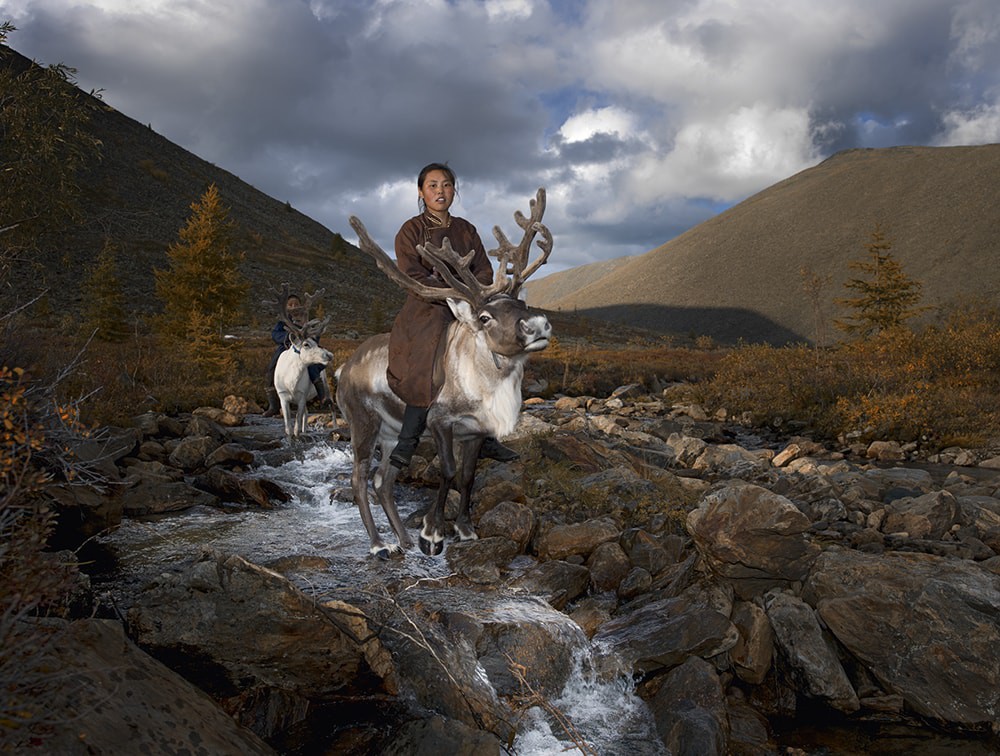
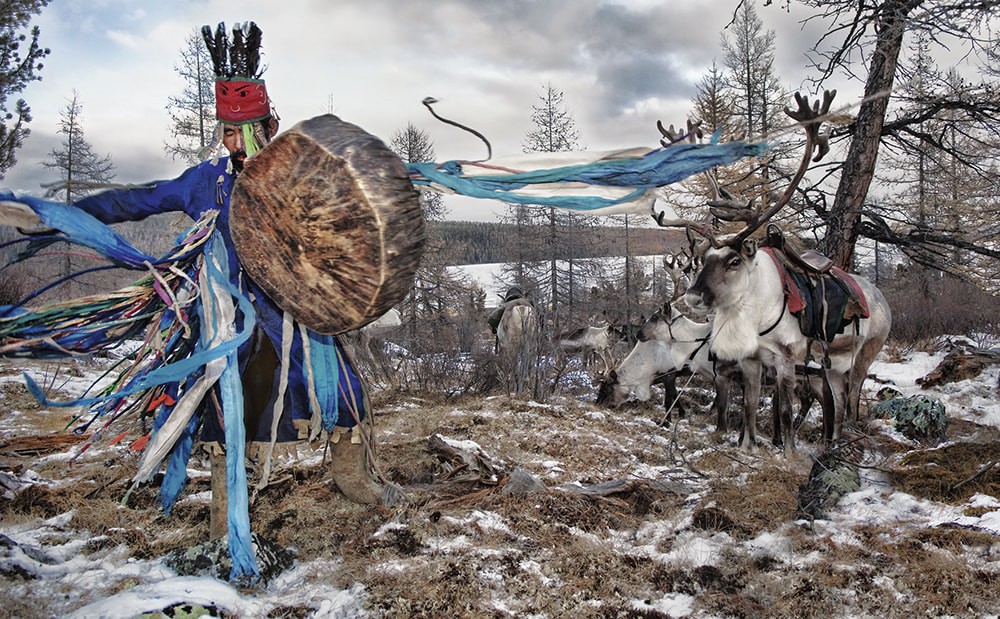
During his trip to Mongolia, he discovered the Tsaatan (also called Doukha), nomads who live in the wild lands of Mongolia in the company of reindeer, which they raise to meet their needs. While some have settled over time, today there remain approximately 400 nomads living in immersion with nature. It was some of them whom he followed to learn more about their way of life.
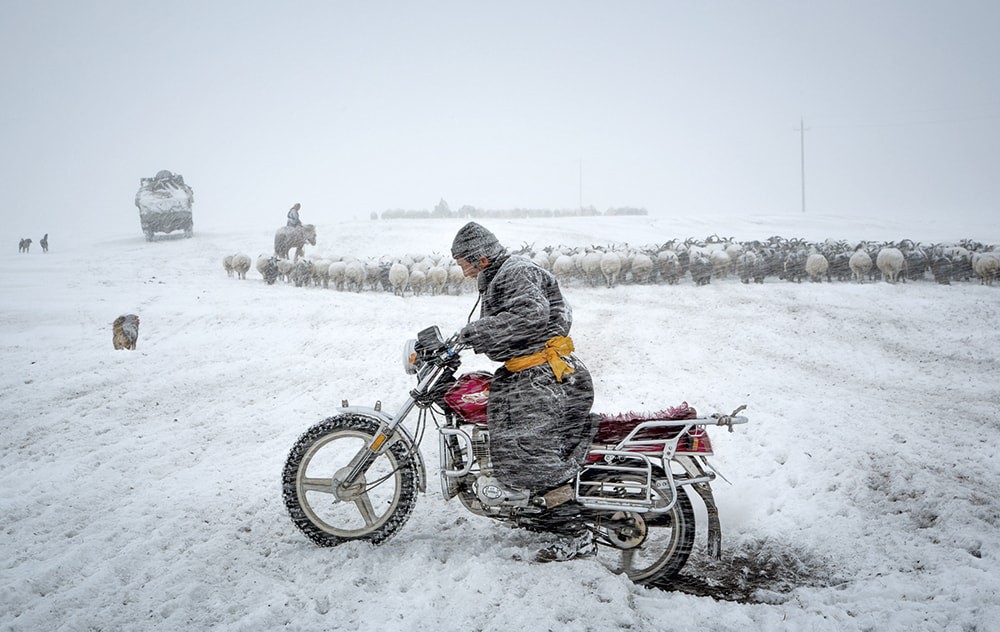
From this journey, Hamid Sardar-Afkhami produced incredible photographs. They can be found in his film "The Reindeer People" which won the award for best film on mountain culture at the Banff Mountain Film Festival. His work also gave rise to a book "Dark Heavens: Shamans & Hunters of Mongolia" in which he compiles a series of moving images telling the story and intimate life of this isolated people! We discover images that are as raw and poetic as they are authentic. But what stands out particularly is the link—somewhat spiritual—between man and nature, and especially animals.
A sacred bond with nature
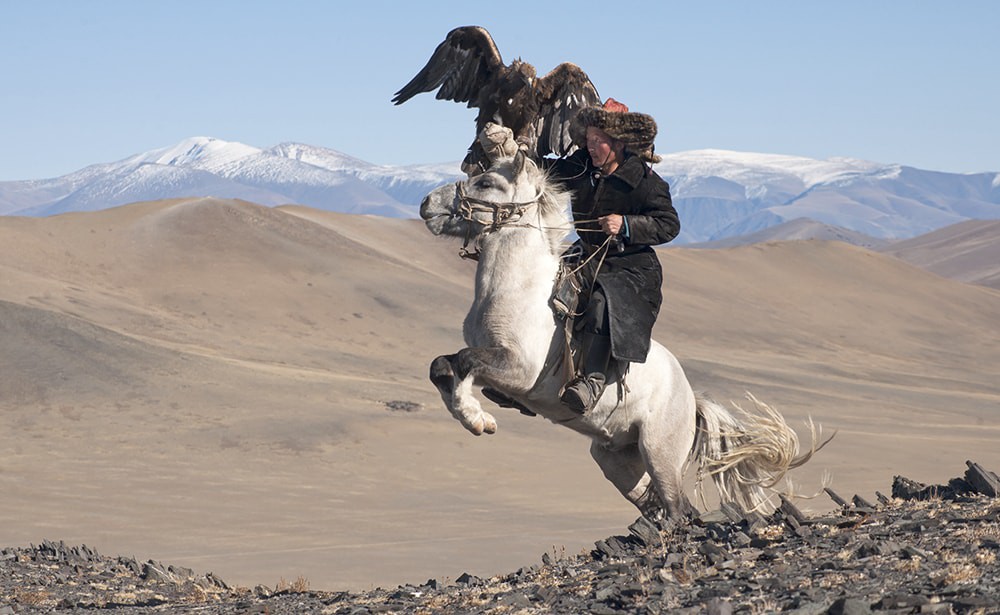
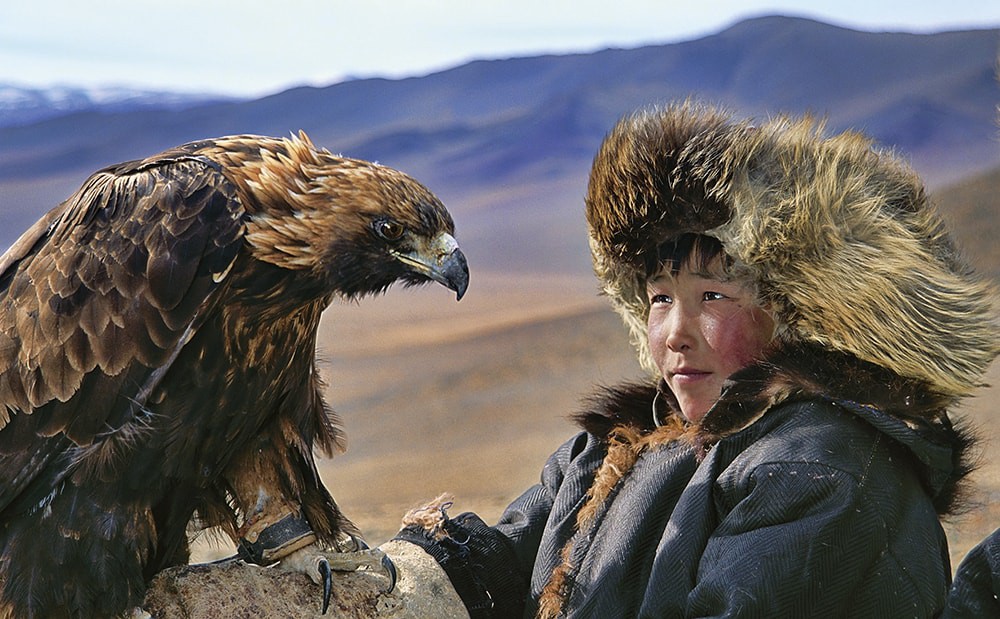
During his journey, the photographer developed a particular interest in the sacred bond that nomads maintain with animals and nature in general. It must be said that the lives of nomads depend on those of animals. It is both a matter of survival and a spiritual connection. This relationship between man and animal, the photographer has made his preferred theme. Thus, in most of the photographs he brought back from his trip to Mongolia, one can see reindeer, eagles, horses, dogs and wolves…
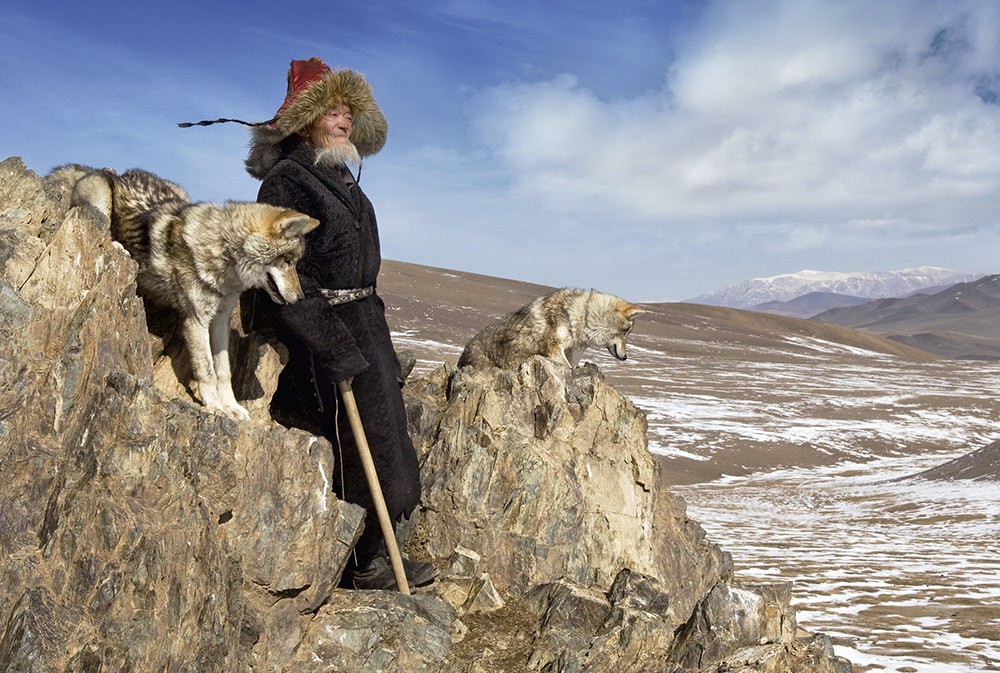
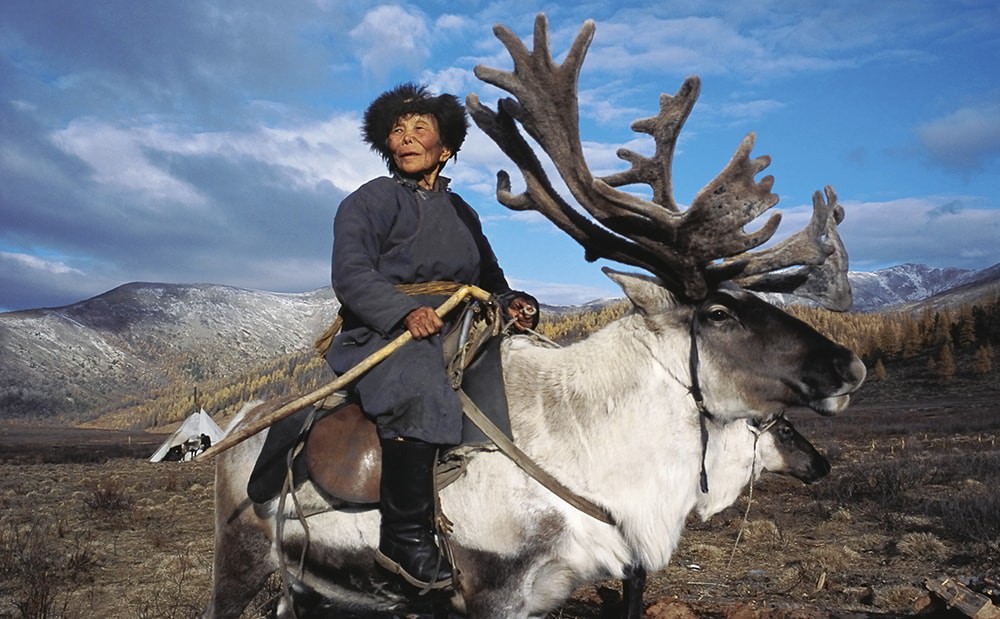
Ultimately, it is not men who occupy the main place in the images but rather the animals. For in addition to being heirs of hunters and shamans, the Tsaatan view animals as spiritual guides. Tsuyanqua, a centenarian shaman with whom Hamid Sardar-Afkhami traveled, shared with him a few words that perfectly summarize this particular bond: "nature, animals and the memory of our ancestors. Once we forget that, our guardian angels abandon us and demons take hold of our destiny." Powerful words that are perfectly reflected in the photographer's images…
Florine Dergelet