Mongolia's UNESCO World Heritage Sites
A land of steppes and mysteries, Mongolia is a genuine promise of adventure in a nomadic world, with exceptional landscapes and unparalleled culture. Indeed, several Mongolian sites are inscribed
A land of steppes and mysteries, Mongolia is a genuine promise of adventure in a nomadic world, with exceptional landscapes and unparalleled culture. Indeed, several Mongolian sites are inscribed on the UNESCO World Heritage list. Be sure to add them to your itinerary when planning your trip to Mongolia :
The Altai Petroglyphs
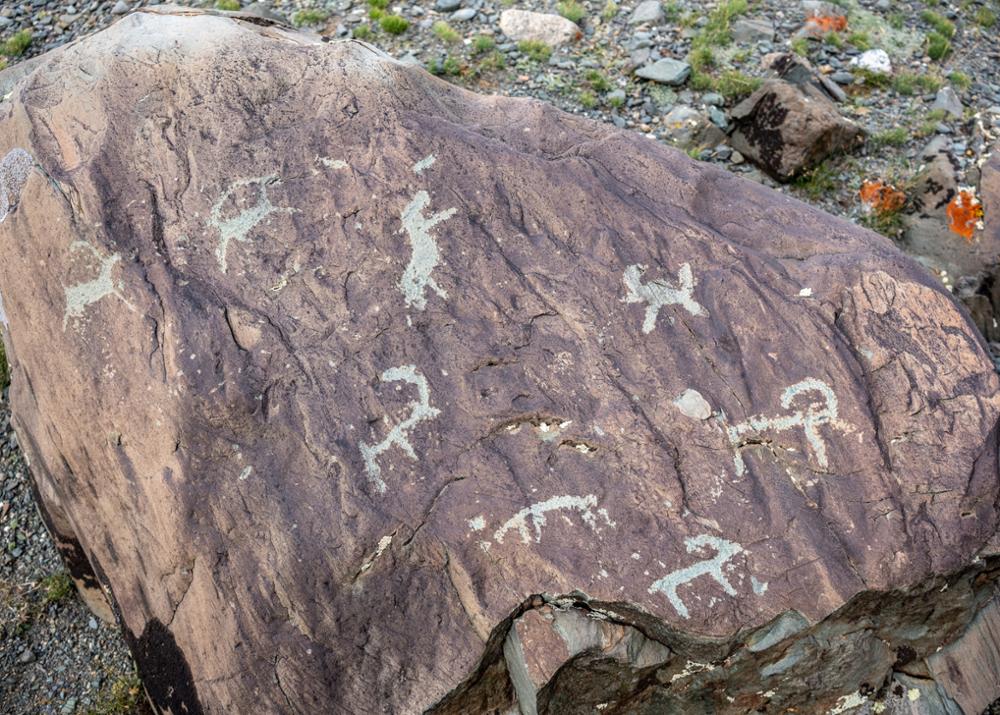
Three impressive petroglyph sites have been discovered in the Mongolian Altai. Located in the Bayan-Ulgii Aimag region, these open-air museums house a rich collection of rock drawings. These offer visitors a journey back through ancient history, opening like a true book of history. With the earliest drawings dating back approximately 12,000 years, these petroglyphs make it possible to understand the evolution of life in Mongolia.
The Altai petroglyphs reveal changes in the way of life of peoples, as well as the transformation of landscapes: from an arid steppe to a wooded region, the beginning of pastoralism and then the emergence of nomadism... The sites also contain funerary monuments and ritual sites. As UNESCO states, these places constitute « the most complete and best-preserved visual testimony of prehistory and the early history of humanity ». Inscribed on the UNESCO World Heritage list in 2011, these petroglyphs are an absolute must-see!
Burkhan Khaldun Mountain
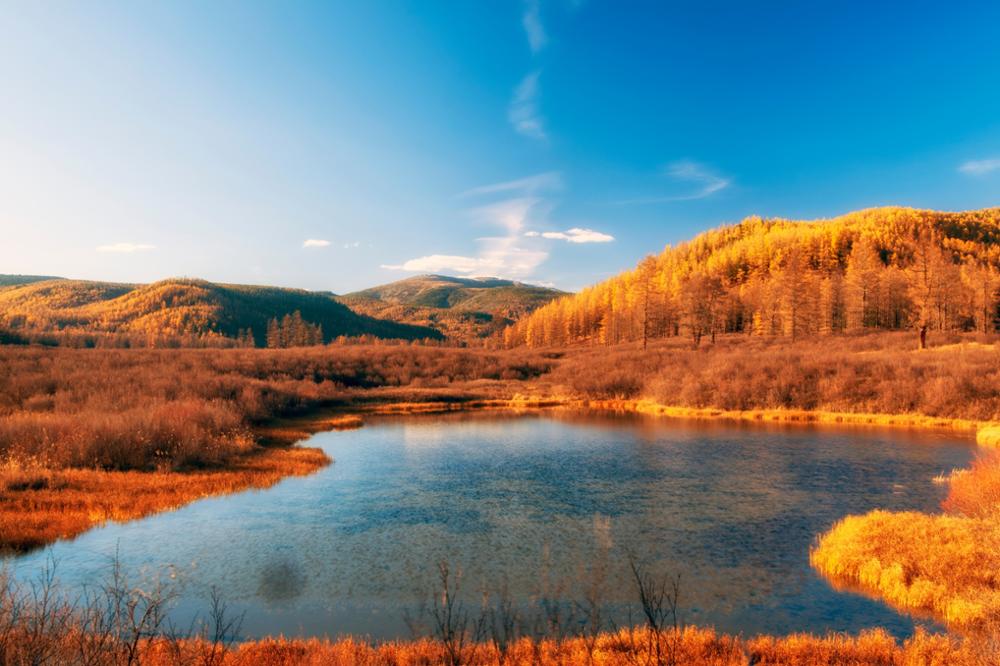
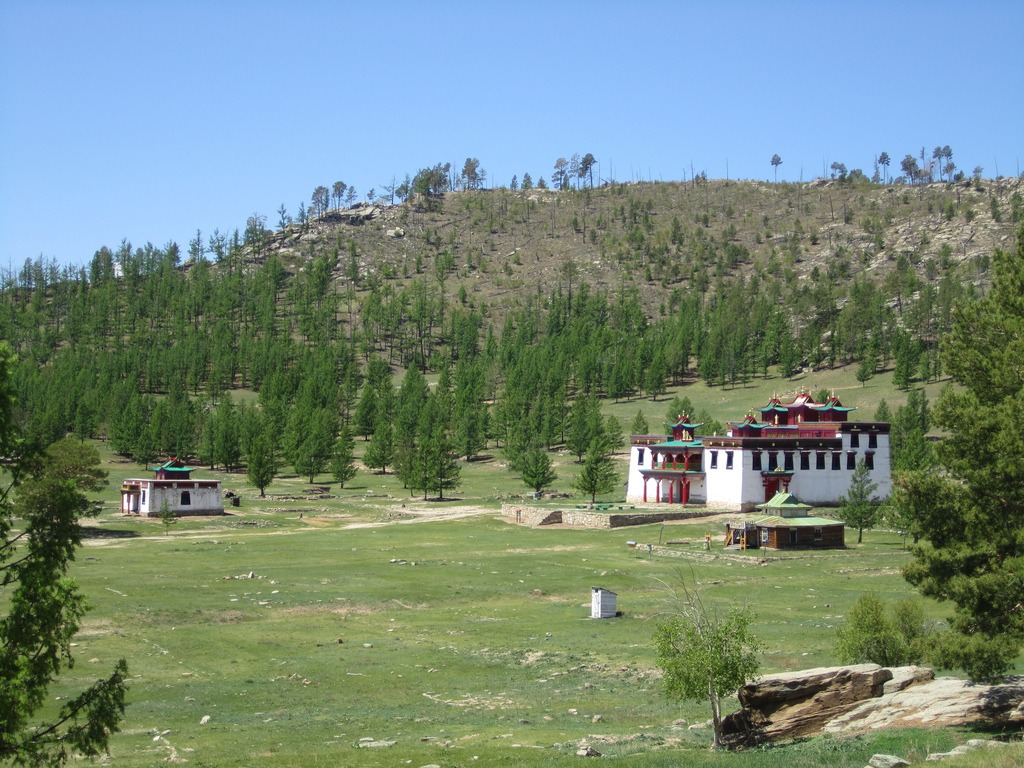
This exceptional site from a historical, cultural and natural perspective is located in northeastern Mongolia, where the steppes give way to the Siberian taiga. The birthplace and burial site of the great Genghis Khan, Burkhan Khaldun Mountain is also an important witness to Mongolian reverence for the environment. Indeed, it is one of the four sacred mountains of Genghis Khan.
These rituals dedicated to the mountain, river and ovoos represent a fusion of Buddhism and shamanism and reflect the uniqueness of Mongolian culture – and the importance of preserving it. Located in the Khentii mountain range, and inscribed on the UNESCO World Heritage list since 2015, Burkhan Khaldun Mountain (2,350 meters in elevation) offers pristine and sacred nature; a true journey to the heart of the Earth. Follow the pilgrim's path for 20 km to discover this one-of-a-kind atmosphere and trace the threads of history. Festivals are organized here every summer to revive Mongolian culture.
The Orkhon Valley
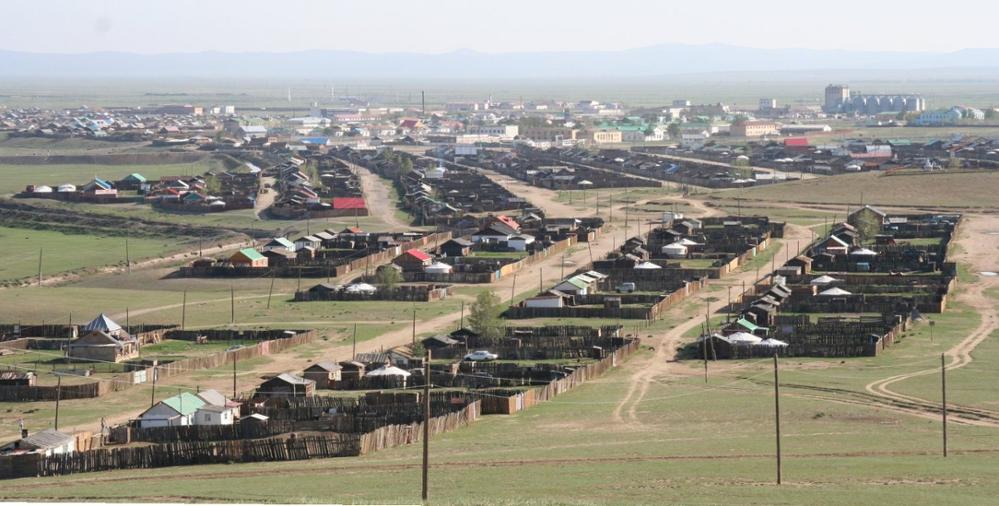
A magnificent valley surrounding the Orkhon River, this natural site harbors some of the most important historical remains of Mongolia and Asia. Located in the heart of Mongolia, approximately 360 km from the capital Ulan Bator, the Orkhon Valley has long been a true crossroads of civilizations and a development hub.
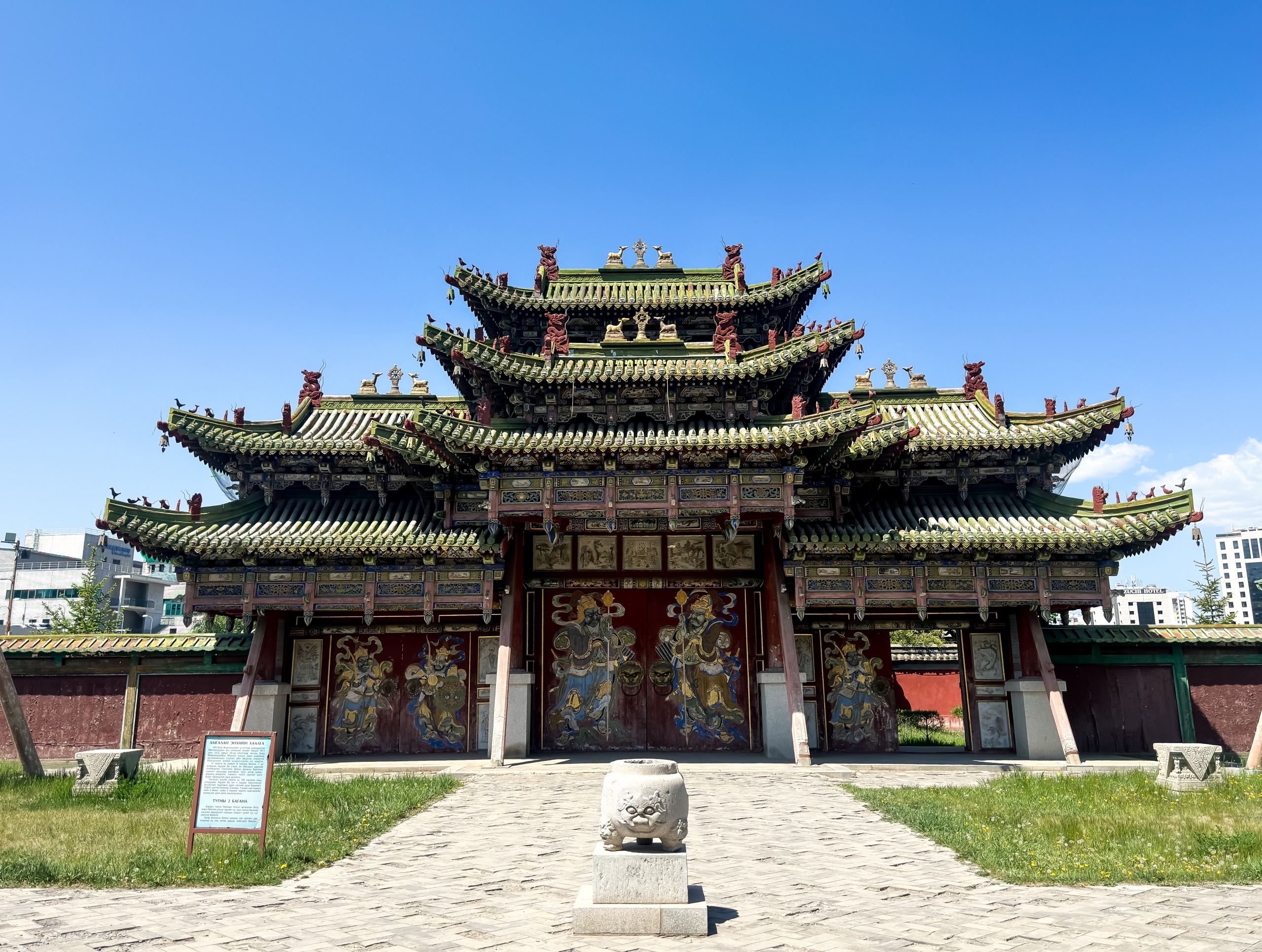
Surrounded by pastures, the valley was quickly inhabited by nomadic herders and remains so today. It's the perfect place to discover nomadic life, set out hiking with the nomads or go on a horseback trek. It is most notably known for sheltering magnificent historical monuments, including the city of Karakorum, capital of the immense empire of Genghis Khan (13th century). Remains dating from the 6th century can be found here, as well as Mongolia's oldest Buddhist monastery, Erdene Zuu.
It was the first Mongolian cultural site to be inscribed at UNESCO, in 2004.
The Uvs Nuur Basin
But UNESCO doesn't only recognize sites of cultural or historical importance on its World Heritage list. It also includes objects recognized for their environmental value, two of which are in Mongolia.
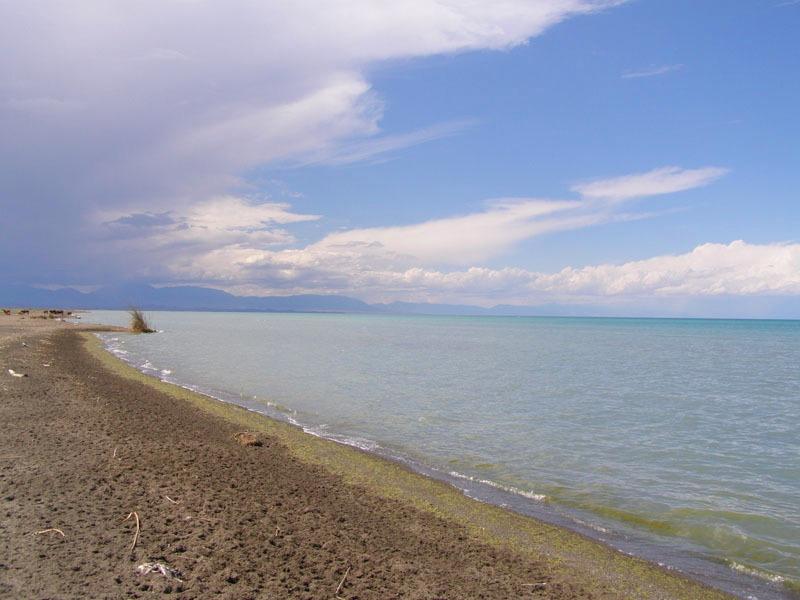
The Uvs Nuur Basin takes its name from a very large salt lake in the region, which is important for the ecosystem and particularly bird migrations. It is located between Mongolia and Russia. The basin covers more than one million hectares and includes a large number of ecosystems, ranging from steppe to Asia's highest mountains, passing through tundra, cold desert, coniferous forests, sand dunes, and more. You'll find a very wide variety of fauna and flora, including the snow leopard. Numerous glacial lakes and magnificent mountains towering above 4,000 meters in elevation can be seen here.
An ideal area for hiking and trekking, the Uvs Nuur Basin has been protected by UNESCO since 2003.
The Daurian Grasslands
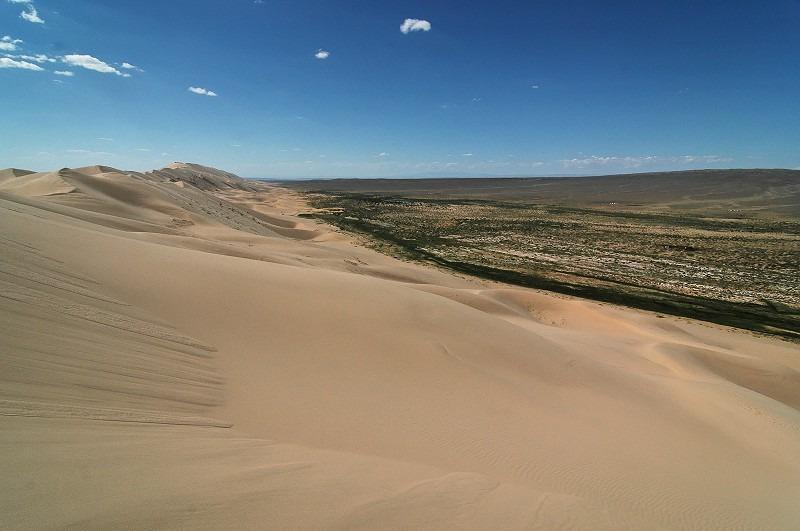
The most recent Mongolian site to join the UNESCO World Heritage list (in 2017), the Daurian Grasslands extend from eastern Mongolia to Siberia. This vast steppe encompasses several types of ecosystems and is home to rare species, such as the white-naped crane, relict gull, bustard and swan goose. On the mammal side, you'll find the Mongolian gazelle, Pallas's cat and the Siberian marmot. A large portion of this territory also has the status of UNESCO Biosphere Reserve and Ramsar Site: quite an impressive track record!
Marion Biremon