What are the traditional Mongolian dishes?
Planning a trip to Mongolia and wondering what you'll be able to eat? Whether dining with locals or in one of the country's restaurants, discover the traditional dishes to taste during your trip to Mongolia.
Planning a trip to Mongolia and wondering what you'll be able to eat? Whether dining with locals or in one of the country's restaurants, discover the traditional dishes to taste during your journey through Mongolia. So, ready to try Mongolian cuisine?
Buuz: Steamed dumplings
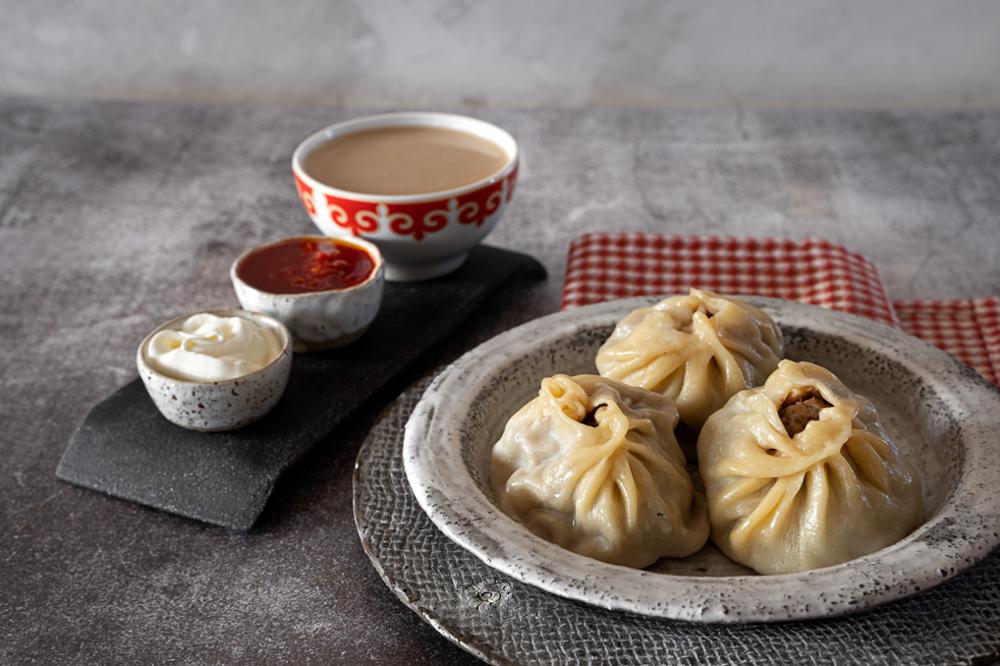
This is one of Mongolia's most cherished culinary specialties, beloved by both locals and travelers alike. Buuz are dumplings filled with meat and cooked by steaming. While the buuz recipe varies from region to region and family to family, it typically consists of a flour-based dough filled with meat (mutton, lamb, beef...), meat fat, onions, and garlic.
Although enjoyed year-round, buuz take center stage during Tsagaan Sar (the Lunar New Year). For this major celebration marking the first festival of the year, Mongolian families prepare them in astronomical quantities—sometimes up to 3,000 pieces—to welcome their loved ones.
Khuushuur: A meat-filled pastry
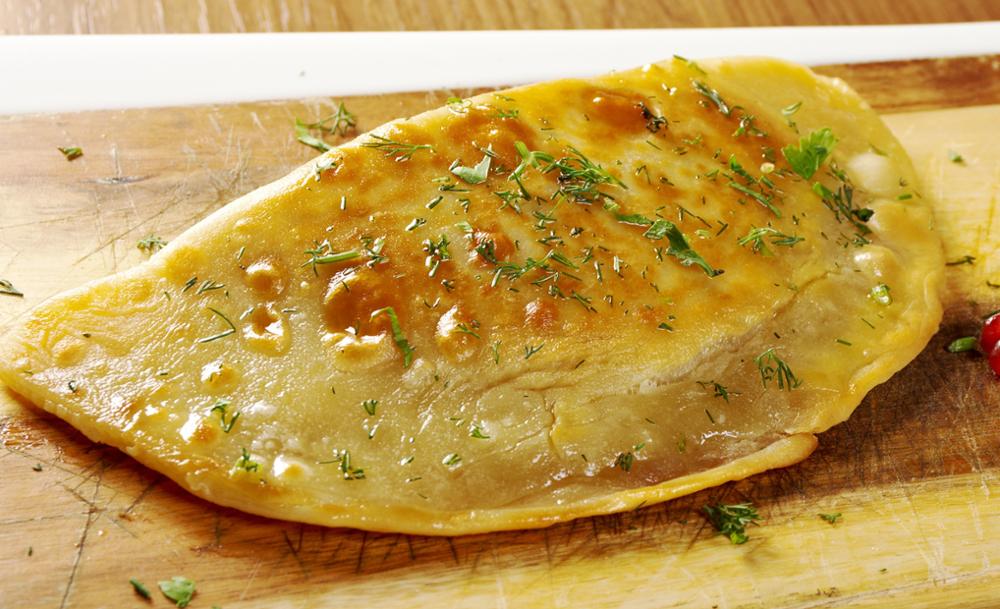
Khuushuur is a meat-filled pastry pocket. The ingredients mirror those of buuz, but the cooking method differs—they are fried rather than steamed. The meat used for the filling is typically mutton or beef, though versions with yak or organ meats are also found.
Khuushuur is the signature dish served at the Naadam festival, the famous competition featuring three sporting disciplines (Mongolian wrestling, horse racing, and archery). During the festival, khuushuur are often fashioned in a round shape (called "Round Khuushuur" or "Dugui Khuushuur"). Throughout the rest of the year, they're more commonly found in oval (pastry pocket) or half-moon shapes.
Tsuivan: Meat and vegetable noodles
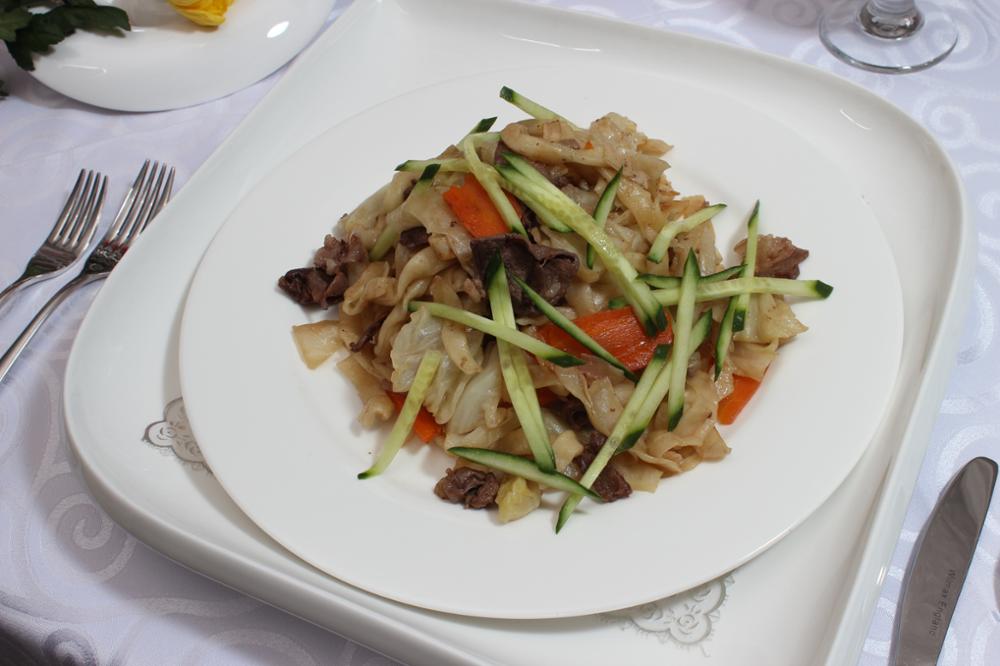
Tsuivan is one of Mongolia's most widely consumed dishes and the most commonly found specialty in local restaurants. It consists of Mongolian noodles with strips of meat and vegetables. The pasta is made with flour, water, and salt, while the meat is typically mutton or beef.
For a preview of this dish, check out our tsuivan recipe.
Khorkhog and boodog: Mongolian barbecue
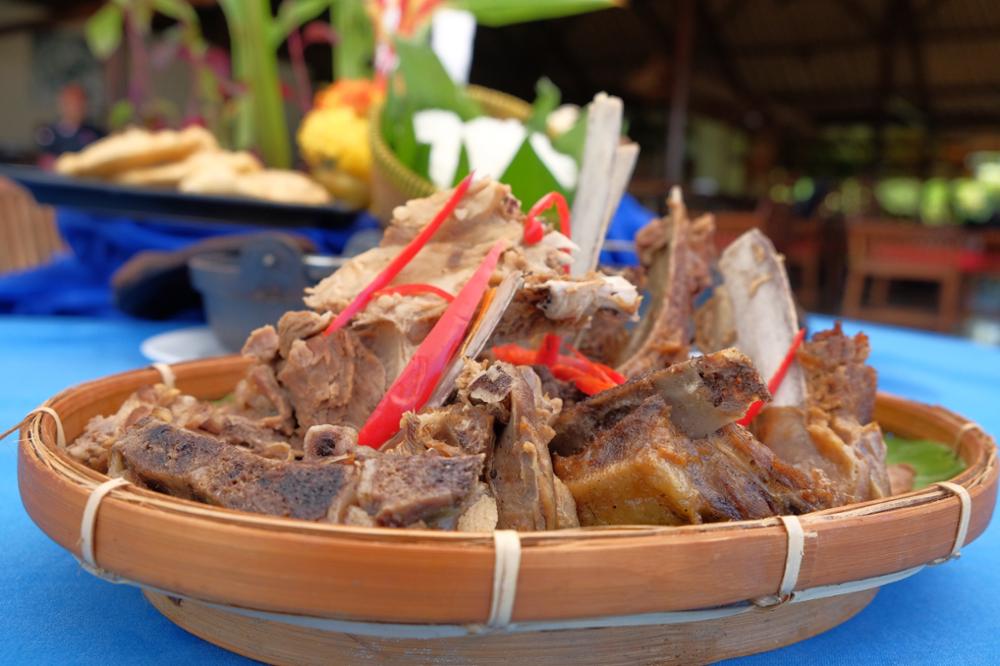
Undoubtedly among Mongolia's most surprising specialties and one of the most astonishing things you'll encounter during your stay in Mongolia. Khorkhog and boodog are considered the quintessential Mongolian barbecue. For both recipes, the cooking technique involves using heated stones (first warmed over fire) to cook meat (mutton, goat, marmot...).
For khorkhog, heated stones are placed directly in a pot with meat and vegetables (potatoes, carrots, cabbage...) before simmering.
For boodog, the technique is similar except no pot is used. Instead, the animal's own body serves as the cooking vessel. Heated stones, meat pieces, and vegetables are placed inside the cleaned abdomen (while carefully keeping the animal's skin intact) before the whole assembly is cooked.
These two emblematic Mongolian dishes were long prepared by Mongolian soldiers. For them, boodog offered a particular advantage: the ability to cook without needing to carry or use any utensils. Today, these are dishes primarily prepared by nomads for special occasions or family gatherings.
A fun fact: tradition holds that diners should handle the hot stones with their bare hands at the end of cooking, as they are believed to have health benefits.
Bort: Dried meat
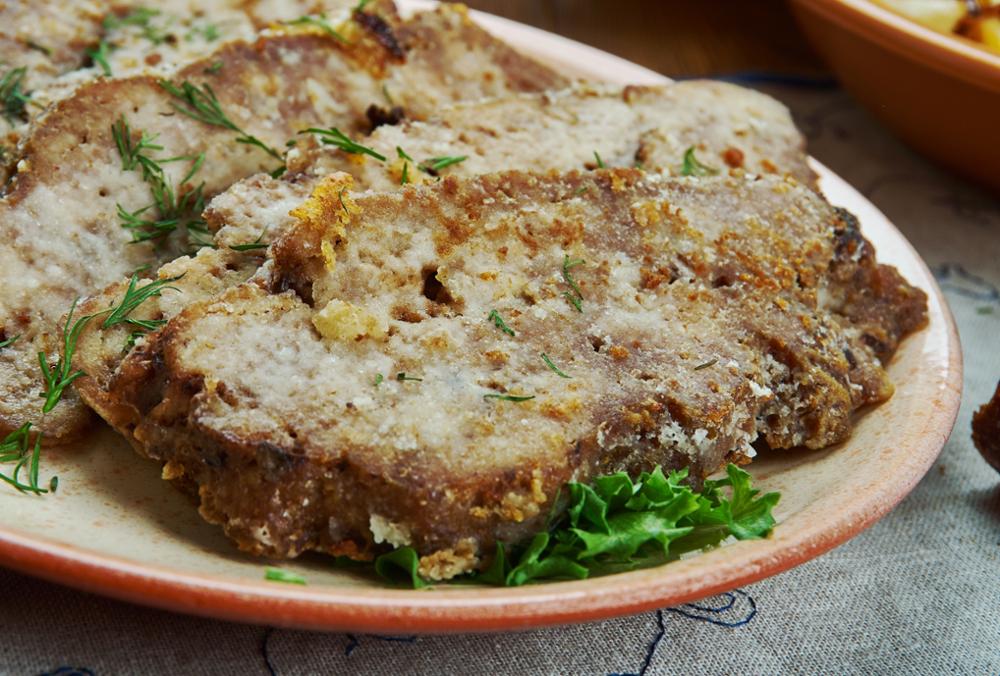
Bort consists of pieces of dried meat—usually beef, goat, or camel. It's not really a recipe in itself, but rather a preservation method used for centuries.
Indeed, bort was a vital food source during the era of Genghis Khan. Drying meat allowed soldiers to preserve it for months, even years. For Mongolian warriors, bort also had a major advantage: its lightweight nature.
Today, bort appears in various dishes—soups, stews, noodles, and more.
Tarag: Cow milk yogurt
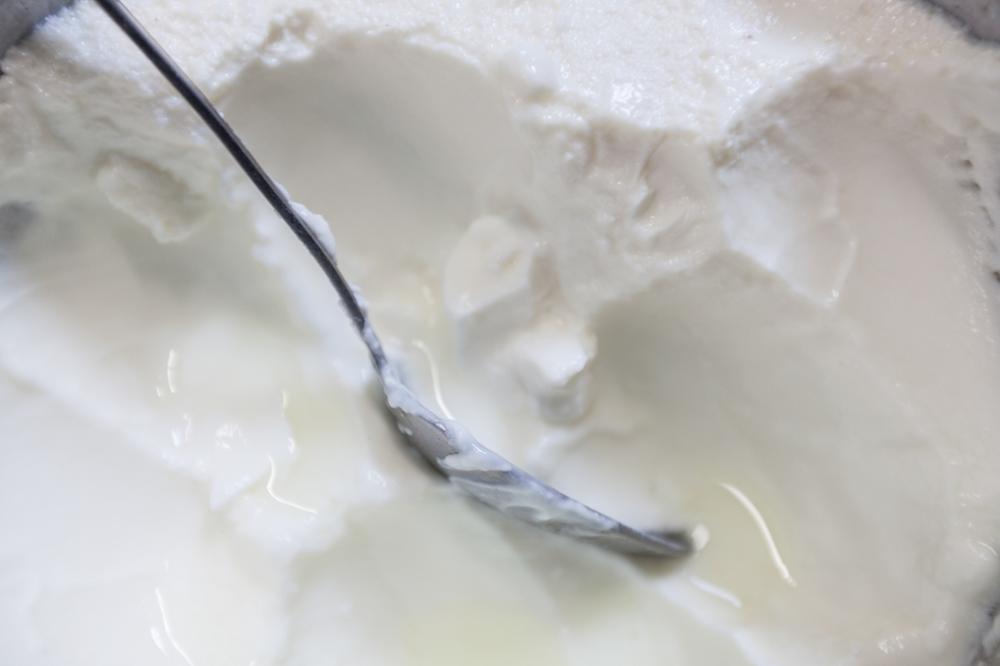
Dairy products form an important part of Mongolian cuisine. Among the dairy specialties is tarag, a yogurt made from cow's milk. To avoid the risk of brucellosis infection, locals never consume raw cow's milk. Instead, the cow's milk is boiled and diluted with water, or used to make rich, creamy yogurts known as tarag.
Aaruul: Dried cheese to suck on
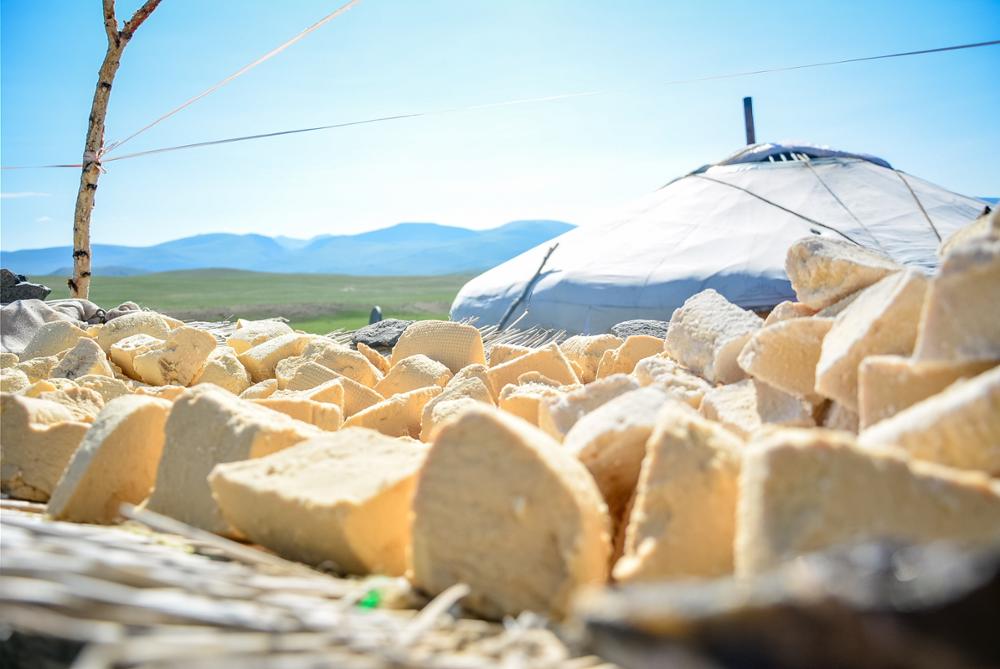
Another dairy specialty to try in Mongolia is aaruul. This hard, dry, and slightly tangy cheese takes the form of a small, flat, compact cake that you suck on. The flavor varies depending on the region and the milk used in its production—typically yak or camel milk. Locals enjoy aaruul as a snack or use it as an ingredient in various dishes such as stews and soups.
Boortsog: Biscuits or fritters
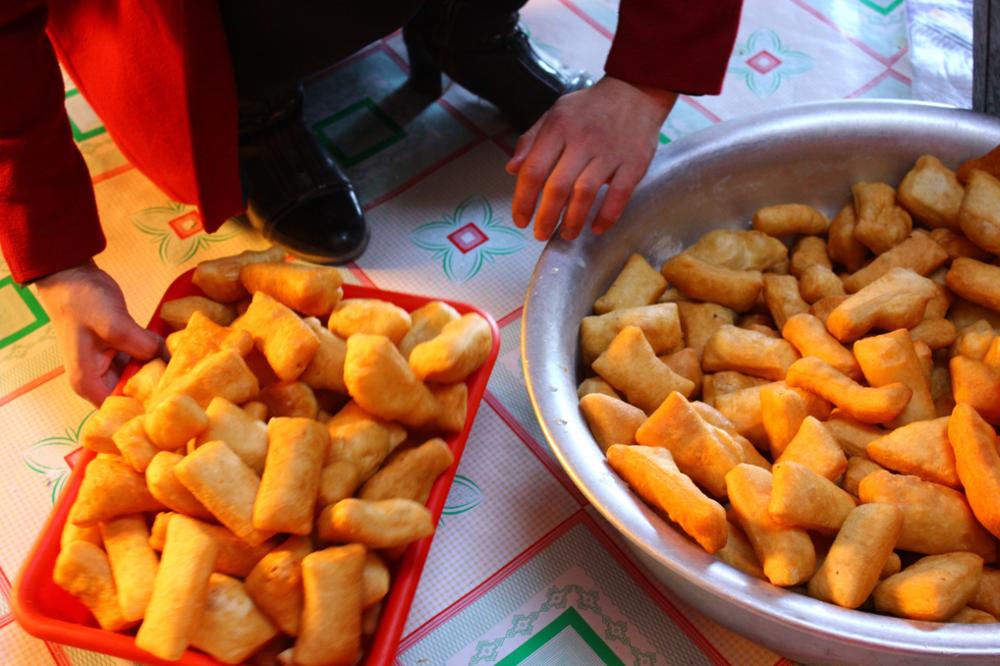
There are no true desserts in Mongolia. Only boortsog in its sweet version can serve as a treat. They're often compared to biscuits or fritters (depending on the cooking method).
Also prepared in other Central Asian countries like Kazakhstan, Kyrgyzstan, and Uzbekistan, boortsog recipes vary from region to region. But they typically consist of a dough made with flour, butter, water, salt, and sugar. They're eaten plain, with butter, honey, cheese, or alongside tea.
Süütei tsai: Salted milk tea
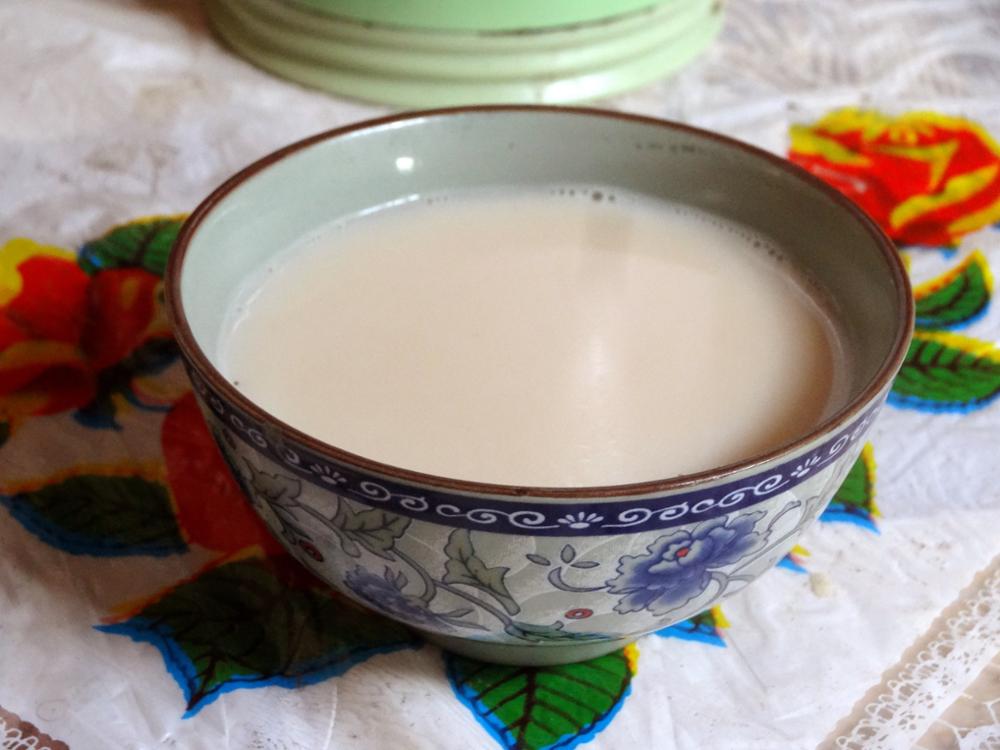
Süütei tsai is the beverage of choice among Mongolians. Consumed throughout the day, süütei tsai is a type of salted milk tea. It's made from black tea, milk (usually from horses, yaks, camels, sheep, or cattle), and butter. Mongolians sometimes add fried millet, rice, dried cheese (aaruul), or meat pieces to it, and often enjoy it with fried cakes like boortsog.
Airag: Fermented mare's milk
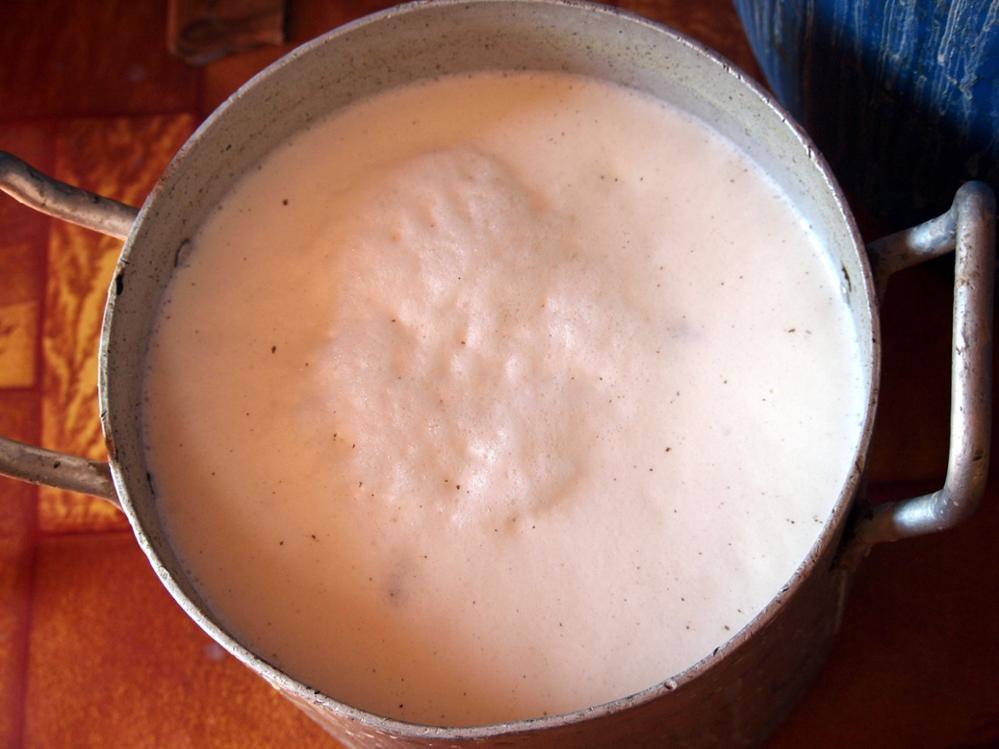
Known as "kumiss" in the rest of Central Asia, airag (or airak) is Mongolia's traditional national drink. Made from fermented mare's milk (sometimes camel milk), this beverage has a low alcohol content and is renowned as a significant source of vitamins and minerals. Its taste is strong, smoky, and slightly tart with a tangy edge.
Almost all Mongolian nomadic families make it themselves. Mare's milk is fermented for a year using a traditional method before being enjoyed the following summer. It's also one of the primary beverages Mongolians offer to their guests.
Are you vegetarian or do you have specific dietary requirements?
Thanks to our English-speaking on-site kitchens and our expert chefs, Nomadays adapts to prepare Mongolian meals suited to your tastes and/or dietary needs during your trip to Mongolia. So don't worry if you don't eat meat—it's entirely possible to travel in Mongolia as a vegetarian.
Florine Dergelet