Encountering Mongolia's Different Ethnic Groups
Heir to a rich historical past, Mongolia is a multiethnic country. From nomadic peoples of Central Asia to isolated inhabitants in the heart of the steppes, each Mongolian ethnic group preserves its rites and traditions
Heir to a rich historical past, Mongolia is a multiethnic country. From nomadic peoples of Central Asia to isolated inhabitants in the heart of the steppes, each Mongolian ethnic group preserves its rites and traditions. Still relatively untouched by tourism, certain aimags promise truly authentic moments among the Khalkha and Tuva tribes located in the western part of the country, the Dariganga of Sükhbaatar, and also the Tsaatans and Buryats, living in Khövsgöl province. Discover these welcoming inhabitants for unforgettable Mongolian encounters…
Meet the peoples based in Western Mongolia
The Khalkhas
- Their history in brief
The principal Mongolian ethnic group is the Khalkhas (approximately 85% of the population). They are based primarily on the lands of Central Mongolia as well as in Northern Inner Mongolia in China. Long governed by the descendants of sovereign Genghis Khan, this tribal group was said to have been driven from its original territory, located in the Khangai Mountains some 400 km west of the capital, Ulan Bator.
- A festival to learn about them
Mongolia's largest event, the Naadam celebrates the anniversary of the 1921 Mongolian Revolution. On this occasion, the entire country celebrates and witnesses various sporting activities: Mongolian wrestling, horse racing, and archery. Mongolians dress in their finest clothing and take advantage of the festivities to taste Naadam's culinary specialty, khuushuur, a meat pastry.
The Tuva (Uriankhai)
- Their history in brief
While Bayan Ölgii province is predominantly composed of Kazakhs, the sum of Tsengel is an exception, as it is home to Tuvans. The Tuva people number approximately 2,500 individuals. These inhabitants live from nomadic herding. On a daily basis, they move their herds according to available resources and settle accordingly, in the heart of the mountains. This way of life has earned them the nickname "Tribe in the Clouds".
- A festival to learn about them
Converted to Buddhism by Tibetan monks in the 18th century, shamanism remains very present among the Tuvans. Among traditional ceremonies, the most well-known is the Festival of Aobaos. These "stone cairns" are considered divine dwellings. Each summer, these sacred monuments (adorned with sutra banners and colored silk bands) are the recipients of offerings. After depositing their gifts, the faithful walk around the aobao three times, clockwise, in prayer.
Explore the East of the country and discover the Dariganga Mongolian ethnic group
- Their history in brief
The Dariganga ethnic group lives primarily at Dari Ovoo and near Ganga Lake in Sükhbaatar province. Located in the eastern part of the country, it numbers more than 14,000 inhabitants. According to legend, the Dariganga people had the privilege of being the supplier of horses to the emperor during the Qing Dynasty. Today, they are still considered the country's finest horse breeders.
- A festival to learn about them
The aimag of Sükhbaatar is a wild region, dotted with lakes and volcanoes. In this relatively untouched territory, meet the Darigangas, always delighted to share their culture and traditions. Some may even open the doors of their ger to you… If you explore the region in mid-July, you can witness the Naadam festival. Organized to celebrate the 1921 Mongolian Revolution, Naadam is also a day of sporting competitions (archery events, horse races, wrestling contests, etc.).
Discover the Khövsgöl region for authentic Mongolian encounters
The Tsaatans
- Their history in brief
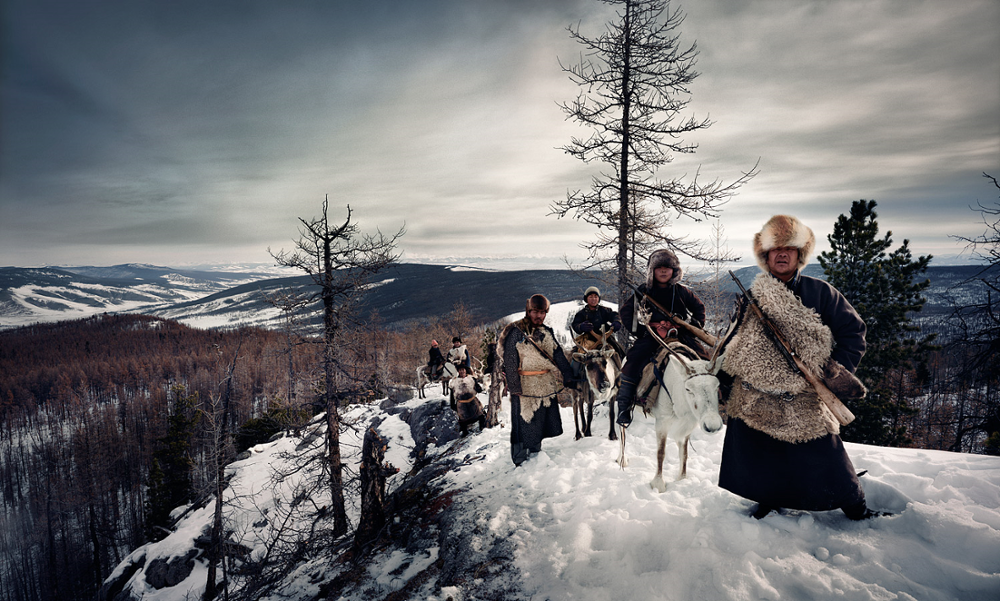
Free and independent, this ethnic group constantly moves through the mountains to feed their herds of reindeer. This animal is their means of transportation, but also their medium of exchange, through the commercialization of their meat, hides, and antlers. Tsaatans actually means "those who live with reindeer" in Mongolian. As a nomadic people with a very simple way of life, their camps are recognizable by their white gers (tipis).
- A festival to learn about them
The Ice Festival is held each year on the frozen Khövsgöl Lake during the first weekend of March. During this beautiful traditional festival, you will witness horse-drawn sleigh races or curling. An opportunity to join the local population in building ice sculptures and exchanging with the various nomadic ethnic groups of the region, who gather on this occasion!
The Buryats
- Their history in brief
The Buryat ethnic group is first mentioned in writings dating from 1240, under the term Buriyat. Like the Tsaatan people, they live primarily from nomadic herding. However, they distinguish themselves through their distinct way of life. While the majority of peoples live in gers, they inhabit atypical wooden cabins.
- A festival to learn about them
Each year, during the summer season, the national festival "Sour-Kharbane" is held. Formerly, these Olympic games would begin once shamanic rituals were completed. This was followed by archery contests and horse racing. Victory was highly prestigious and champions were considered national heroes. Today, this cultural festival is a way to perpetuate Buryat traditions.
Audrey Denjean