The Return of Przewalski Horses to Mongolia
Considered the last species of wild horses, Przewalski horses, on the brink of extinction since 1969, are now being gradually reintroduced to Mongolian lands. This positive news marks the completion of a project underway for over 25 years.
Considered the last species of wild horses, Przewalski horses, on the brink of extinction since 1969, are now being gradually reintroduced to Mongolian lands. This positive news marks the completion of a project underway for over 25 years.
Nearly extinct, the last wild horse was reportedly spotted in 1969. To prevent the species from disappearing entirely, four of them were placed in captivity at Prague Zoo in the Czech Republic. Various breeding programs helped preserve the species, and since 1992, there has been a gradual reintroduction of the species to its native land, on the border between Mongolia and China.
Learning More About the Przewalski Horse
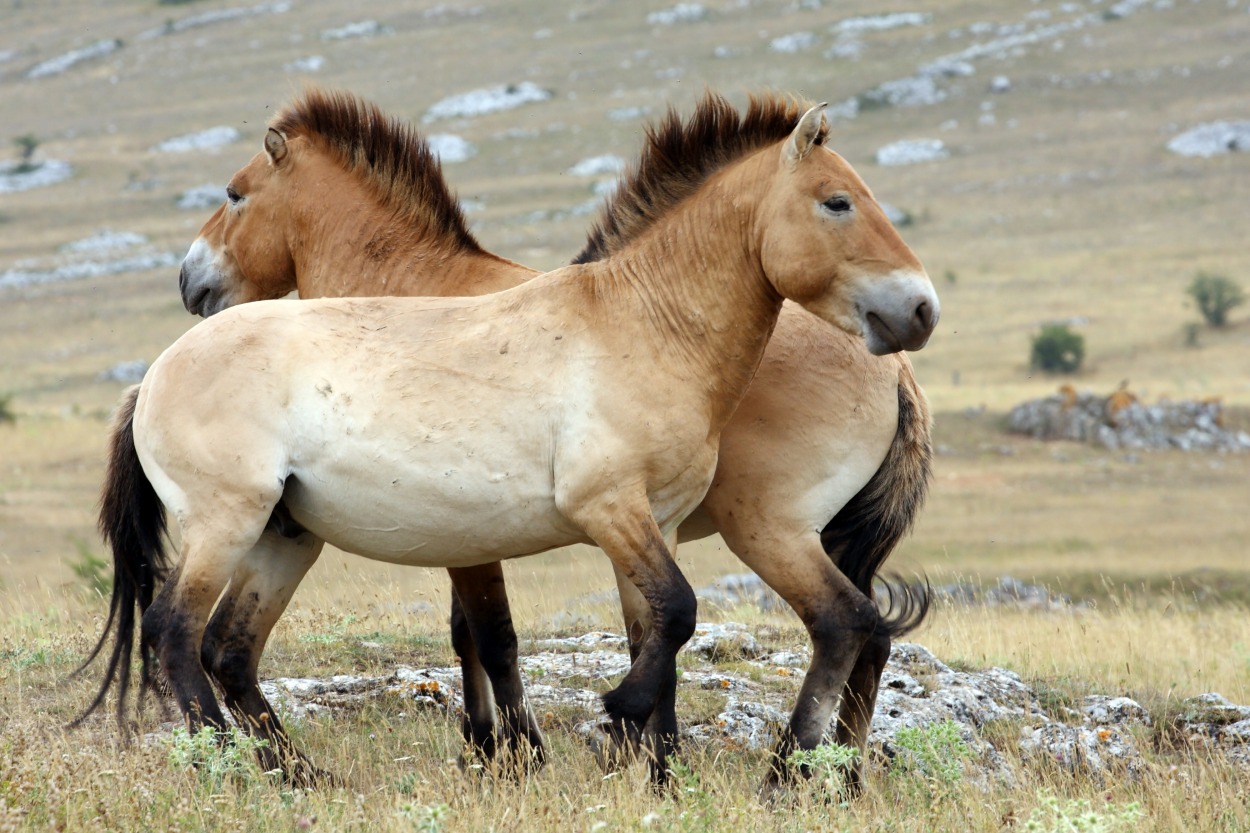
The Przewalski horse is a species of relatively small wild horse (between 1.2 and 1.4 meters at the shoulder). Sturdy and stocky with its large rectangular head and distinctive dun-colored coat, the appearance of these horses is reminiscent of prehistoric rock art representations.
Although a recent study suggests that the Przewalski horse may have been domesticated 5,500 years ago by the Botai culture in Kazakhstan, many scientists and specialists of the species dispute these findings.
The Przewalski horse is also characterized by its unsociable nature. Impossible to discipline, it cannot be trained or ridden. It resists the most extreme climatic conditions and requires only meager rations to survive.
The Przewalski Horse Reintroduction Program in Mongolia
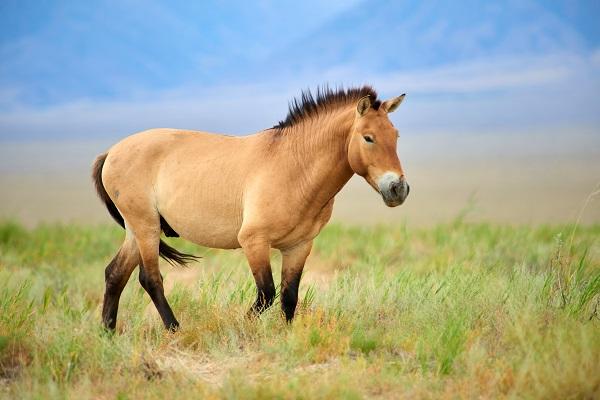
Since the 1990s, programs have aimed to reintroduce the Przewalski equine to its native lands. The "Foundation for the Preservation and Protection of the Przewalski Horse," established in the Netherlands in 1977, brought the first animals to Mongolia in 1992, to Hustai National Park. Before being completely released into the wild, the horses first underwent an extended acclimatization period in large enclosures.
The number of horses needed to save the species is estimated between 400 and 500. This number allows the species to withstand external pressures and limit inbreeding problems.
Prague Zoo has been working on this reintroduction for 7 years and has recorded the reintroduction of around thirty wild horses.
"We have released dozens of horses in recent years. We have just released 4 European horses and this is a great satisfaction for us. It demonstrates what zoos are truly meant to do. The zoological garden has made it possible to preserve the Przewalski horses that were no longer present in nature, and now we are releasing them." explains Miroslav Bobek, director of Prague Zoo.
In France, it is the TAKH association that works for the maintenance of the species. In 2004 and 2005, the association successfully reintroduced about twenty Przewalski horses to western Mongolia near Khar Us Nuur National Park at Khomyn Tal.
Today, close to 350 Przewalski horses have returned to the wild and live freely, though still monitored, on Mongolia's untamed lands.