Mining Agreement, Protest and Prohibition
07 Apr. 2010Three simultaneous events unfolded over three days in Mongolia from Monday, April 5 to Wednesday, April 7: all alcohol sales were banned, 5,000 people took to the streets of Ulaanbaatar in protest, and the development of mining operations—particularly the Oyu Tolgoi mine—made headlines.
It's difficult to see a connection between these three events, yet they are intimately intertwined. First, it's important to understand that Mongolia sits atop one of the world's largest reserves of mineral wealth—gold, copper, coal, uranium, iron, petroleum, and more. Long left untapped, these riches now attract intense interest from all quarters. The government hopes that mining development will trigger a new wave of industrialization, enhancing the skills of Mongolia's workforce and enabling domestic production of modern goods. GDP is already projected to triple by 2020.
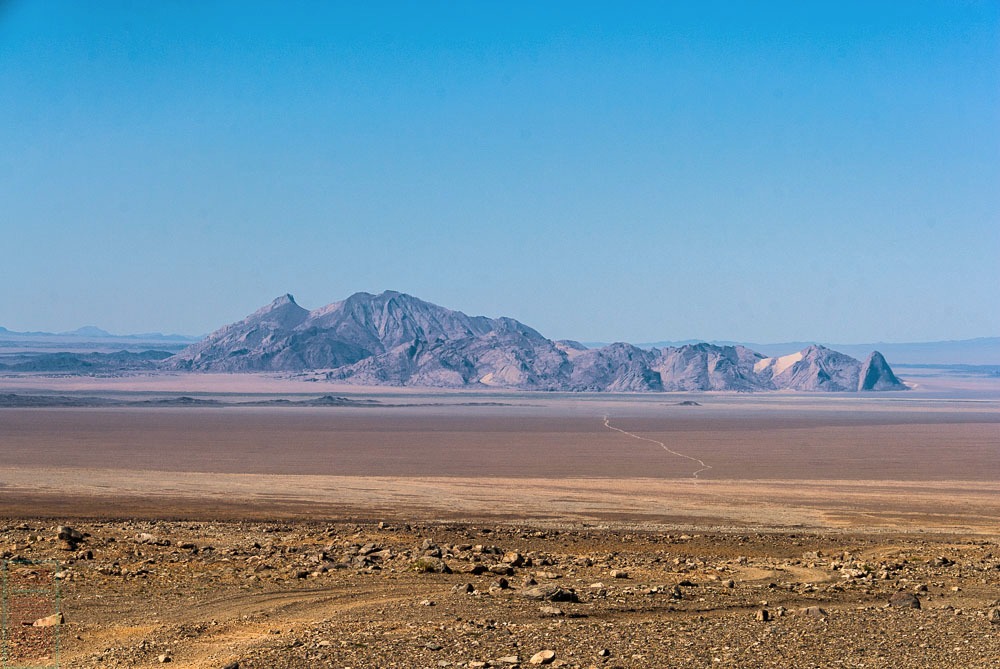
Among all these mining ventures—which aren't expected to significantly reshape the nation's economy until 2013—the Oyu Tolgoi mine in the South Gobi region commands the most attention. Spanning an area the size of Manhattan, it could yield copper and gold for the next 60 years. This would inject substantial wealth into state coffers, with the government holding a 34% stake in the project.
This anticipated influx of revenue did not escape the notice of democratic and communist candidates—the country's two leading political movements—during the 2008 elections. At that time, they promised that every Mongolian working in mining would receive $1,000 from the state. They also pledged to use the economic benefits to prioritize improvements in education, health, housing, and social protection.
Opponents dismissed these commitments as irresponsible—a cynical play for votes by exploiting people's poverty.
Today, in 2010, the democratic and communist parties share power, yet none of these promises have materialized. Hence the massive public protest. The frustration runs particularly deep because people see unemployment rising. The Zud—a meteorological phenomenon marked by a dry summer and harsh winter that destroys pastureland—of the early 2000s had swelled Ulaanbaatar's population from 600,000 to over a million. Now another Zud has struck the nomadic regions this year, decimating more than four million animals, and families of herders who have lost everything are already arriving at the ger camps surrounding the capital.
"The promises made during elections must be kept," affirms D. Zorgit, minister of mineral resources and energy. "Otherwise, in a young democracy like ours, the people lose faith in their government and political parties. Moreover, we're currently facing an economic downturn due to the international crisis. This measure should be seen as a way to stimulate consumption."
What is certain is that the people know billions of dollars will pour into state coffers. The question now is how the government intends to spend them.
And what about the alcohol sales ban in all of this, you might ask? As for Monday, there's nothing unusual—since it's the first Monday of the month, it's simply a precautionary measure to prevent the kind of violence that marked the 2008 protests, which resulted in five deaths.Charlène NomadaysFormer SEO copywriter and now content manager and head of communications at Nomadays, Charlène has accompanied this adventure from the beginning with passion and dedication. After spending seven years across Asia—from China to Thailand, through Mongolia and South Korea—she has made travel a way of being in the world. A lover of words, nature, and human connection, she endeavors to convey in her writing a sensitive, engaged, and responsible vision of tourism. For her, each article is a bridge between curiosity, respect, and wonder.