The Trans-Mongolian Railway
The Trans-Mongolian Railway
The Trans-Mongolian railway line follows an ancient tea caravan route between China and Russia. It connects the city of Ulan Ude in Russia to the Chinese city of Jining, crossing Mongolie from north to south via Ulaanbaatar.
The Trans-Mongolian railway line follows an ancient tea caravan route between China and Russia. It connects the city of Ulan Ude in Russia to the Chinese city of Jining, crossing Mongolie from north to south via Ulaanbaatar. At Ulan Ude, the Trans-Siberian railway also passes through, making a connection possible.
Other important stops on the line include the cities of Sükhbaatar, Darkhan, Choir, Sainshand, Zamiin Uud and Erlian in China. There are also important secondary lines leading to Erdenet and Baganuur.
The line was constructed between 1949 and 1961. In Mongolie, the line is essentially single-track, while it is double-track on the Chinese section. Since the rail gauge is 1520 mm in Russia and Mongolie, and 1435 mm in China, train bogies must be changed at the Chinese border. This operation takes approximately 2 hours.
History
Railway development came relatively late to Mongolie, and before the line's inauguration in 1961, there were only two small lines. In 1938, the first line, 50 km long, connected the village of Nalaikh and its coal mines with Ulaanbaatar. The second line, of Soviet construction, was inaugurated in 1949 and formed an extension of the Russian line connecting the cities of Ulan Ude and Naushki, built 9 years earlier.
As diplomatic relations eased between the Soviet Union and China, construction of the line connecting Ulaanbaatar to China began in 1950. It was inaugurated in 1961 but closed quickly due to a diplomatic crisis between the USSR and China, and only reopened 20 years later, in the 1980s.
Taking the Trans-Mongolian
Taking the Trans-Mongolian today can be a journey in itself with varied stops. The most interesting ones are:
- Irkutsk in Russia. The city is pleasant in its own right and deserves a day's stopover to visit notably the Decembrists' Museum. Irkutsk is above all the gateway to Lake Baikal. Those with limited time will enjoy a day in Listvyanka and can hike along the Circum-Baikal circuit, the former railway line that once passed around the lake. If you have at least 4 days, you could head to Olkhon Island, further north. Olkhon is the largest island in the lake and reaches an altitude of 846 meters. It's a place beloved by outdoor activity enthusiasts.
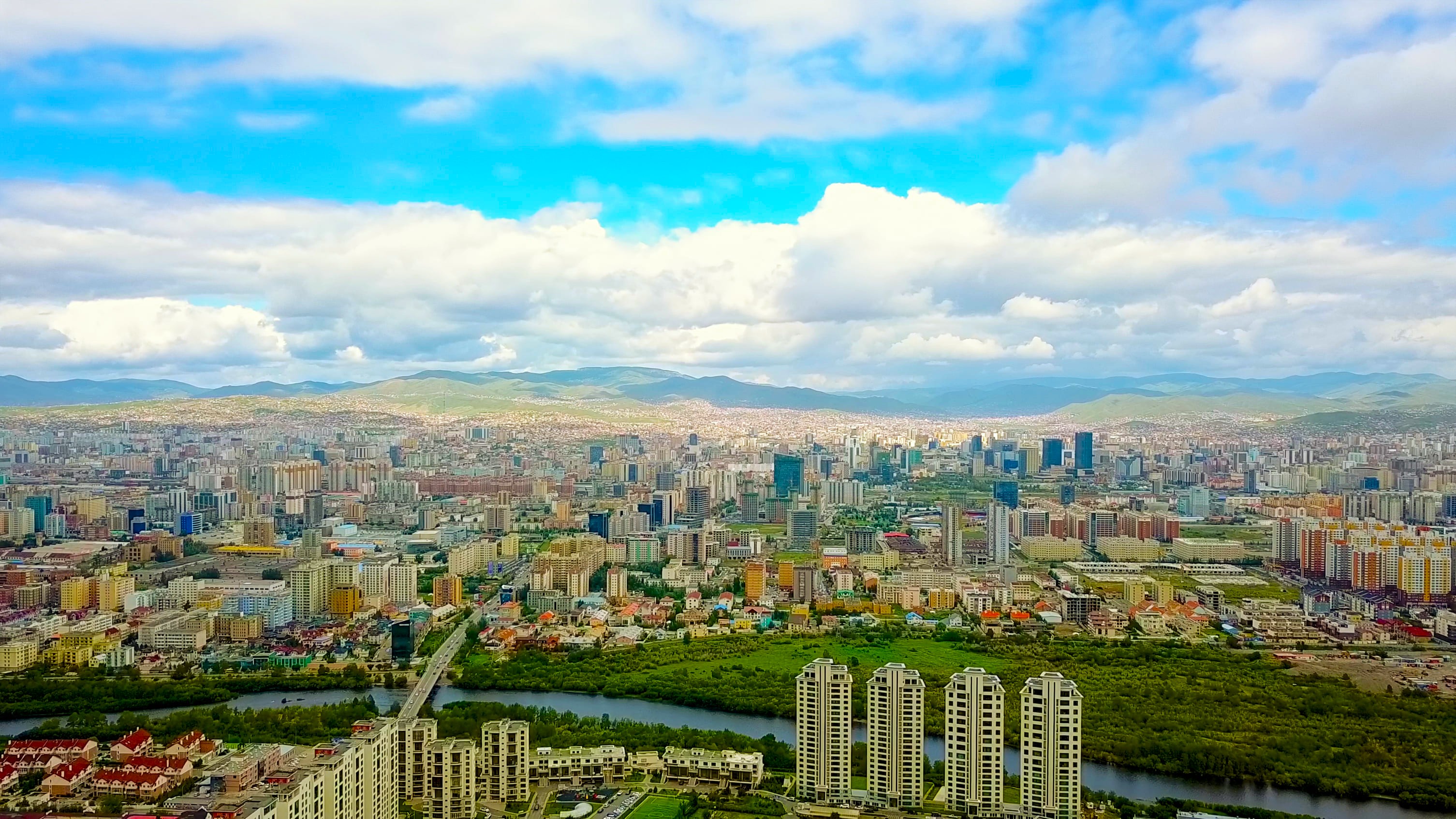
- Of course, Ulaanbaatar in Mongolie, from which you can explore the entire country. For 2 or 3 days, plan a stay with a herding family or in a more comfortable establishment in Terelj National Park. For longer stays, anything is possible.
- Finally, Beijing, the Chinese capital. There's no time to be bored in Beijing, and you should plan to stay at least 3 days, with one devoted to an excursion to the Great Wall.
Trains between Irkutsk and Ulaanbaatar run daily and are easy to book. However, in summer, there are only 3 trains per week between Ulaanbaatar and Beijing (2 from November to May) and it is mandatory to reserve your ticket several months in advance. The schedule changes every year, but generally speaking, trains run on Thursdays and Sundays in the Ulaanbaatar/Beijing direction and on Tuesdays and Wednesdays in the opposite direction. The additional train is added either on Friday or Saturday departing from Ulaanbaatar (every other year), and either on Monday or Saturday from Beijing.
Give it a go!
Our local experts arrange this activity for you.