Khermen Tsav
Khermen Tsav
After 400 km of track through the Gobi, Khermen Tsav reveals its red cliffs, dinosaur fossils, and absolute silence. A canyon far off the beaten path.
The miracles of nature in the Gobi are countless, and one of them is called Khermen Tsav, a magnificent canyon composed of red mudstone rocks. The splendid rock formations of Khermen Tsav are located north of Gurvantes sum, in the far northwest of Ömnögovi province, between Sharig mountain to the north and Altan mountain to the south.
Khermen means "wall" and Tsav means "fissure". Nature, following thousands of years of erosion, has carved this majestic canyon, where rocks hang suspended 30 meters above the ground. Spanning 250 km², its average depth is 200 meters, but between the lowest and highest points there is nearly 1,000 meters of elevation change. The colors—a gradient of reds—will delight photographers.
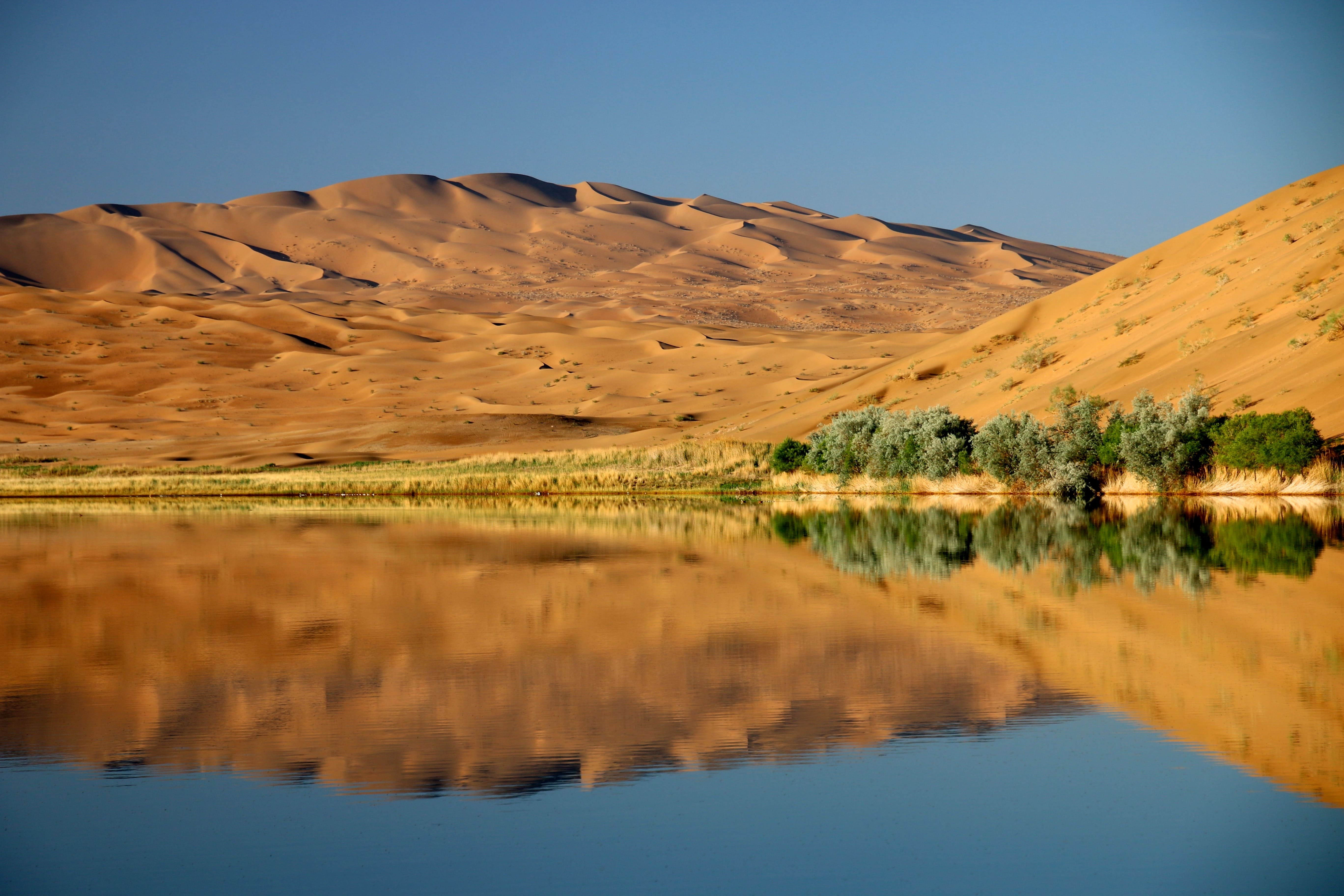
The first complete dinosaur skeleton was found in this place. Scientists agree that the area was covered by an inland sea 200 million years ago. American archaeologist Roy Chapman Andrews named this location "The End of the World". Khermen Tsav is renowned not only for its natural beauty but also for the treasures buried beneath its surface in the form of dinosaur fossils. It is not uncommon to find them here. At the foot of these sand cliffs, the ground is entirely covered with saxaul trees.
From Dalanzadgad, you will need to drive 400 km along one of the worst tracks in the Gobi. This region, due to its isolation, is not found on any standard tourist circuits, but the reward is worth the effort: you will be alone in a landscape worthy of America's great canyons.
Want to discover this destination?
Our local advisors design your tailor-made trip.