Switzerland Releases Emergency Fund for Mongolian Herders
March 23, 2010 – On March 19th, Mongolian Prime Minister S. Batbold received Felix Fellmann, Director of the SDC Mongolia (Swiss Agency for Development and Cooperation), who released humanitarian aid of 500,000 CHF in support of Mongolian herders most severely affected by dzud.
The dzud devastated thousands of herders across the country, many of whom lost the majority of their livestock and their primary means of livelihood.
The Mongolian Government issued an appeal to the international community for immediate assistance to affected herders, a population estimated at 200,000 people.
The SDC funding will support more than 9,000 herding families (36,000 people) across the 20 soums most heavily impacted.
"This aid will be distributed through herder organizations, who will identify and define their own needs before deciding how best to utilize the relief support," Fellmann stated.
Prime Minister S. Batbold declared his appreciation for the SDC's backing at a time when Mongolia was experiencing one of its harshest winters in the past 30 years. "This represents substantial economic support for our herders. But more importantly, it is moral support that restores confidence to the herders and empowers them to decide for themselves how they will rebuild their herds and their lives. I recognize that Swiss development assistance is far more focused on herders' livelihoods and will help them address their social and economic challenges. Mongolia is grateful to Switzerland for its generous support," S. Batbold said.
The SDC project aims to protect vulnerable herders and prevent them from falling deeper into poverty. It will deliver necessary humanitarian relief to herders to address their most urgent needs, including food, energy, medical supplies, and cash subsidies to purchase animal feed and veterinary medicines.
Swiss aid will be distributed to herders based on a bottom-up approach that allows herders themselves to define their needs and determine how best to use emergency funds. This approach proved effective in the SDC's humanitarian project "Cash for Herders," implemented from 2002 to 2006, when a total of 2.1 million francs in subsidies was granted to 7,500 herding families. Evaluations demonstrated that herders used this assistance wisely. This approach also aligns with Swiss development principles that grant beneficiaries the freedom to choose.
While addressing immediate humanitarian needs, the SDC will also focus on risk reduction. The agency has committed to longer-term interventions in sustainable pasture management, combating desertification, and creating alternative livelihoods in rural areas. In implementing this project, herder organizations in the provinces of Zavkhan, Arkhangai, Tov, and Dundgobi will play a crucial role in mitigating the effects of dzud.
The project will be implemented by the Mongolian Society for Rural Reconstruction (MSRM), an NGO working in cooperation with local government. With SDC support, the MSRM has facilitated the creation of herder organizations in 55 soums nationwide.
"While the SDC works to meet the immediate needs of herders affected by dzud, its long-term objective remains ensuring sustainable pasture and herd management by increasing livestock productivity, addressing overgrazing, and promoting new income sources for herders," Mr. Fellmann stated.
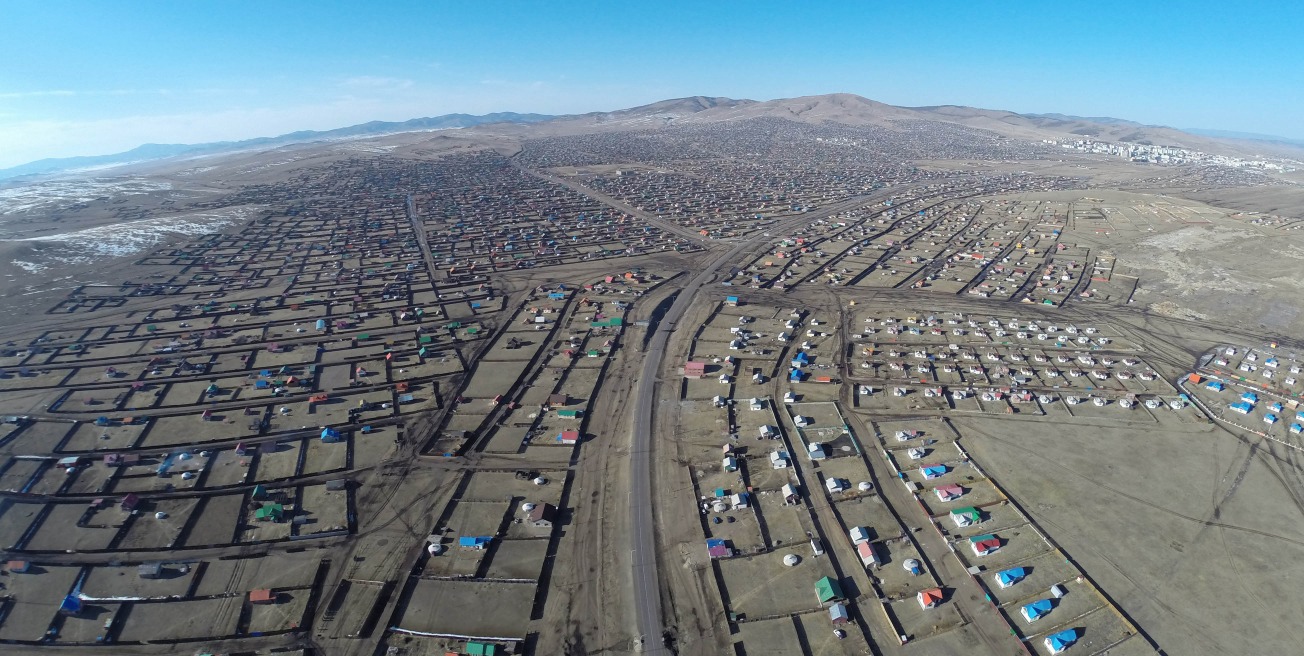
"The SDC continues its support to MSRM in developing pasture management legislation in cooperation with other stakeholders, ensuring a sustainable future for Mongolia's herding sector." The SDC believes this aid will also help prevent rural-to-urban migration, as occurred following the dzuds of 1999–2003, which doubled Ulan Bator's population (from 600,000 to 1.3 million residents).
Charlène Nomadays – An early-stage SEO writer at Nomadays, Charlène has evolved into content manager and head of communications, accompanying the adventure from its inception with passion and dedication. After seven years living across Asia—from China to Thailand, passing through Mongolie and South Korea—she has made travel her way of being in the world. A lover of words, nature, and human connection, she brings to her writing a thoughtful, engaged, and responsible vision of tourism. Each article is for her a bridge between curiosity, respect, and wonder.