Tourism in Mongolia: Where Do We Stand?
Mongolia stands today as an extraordinary destination, far removed from the mass tourism that defines much of continental Asia.
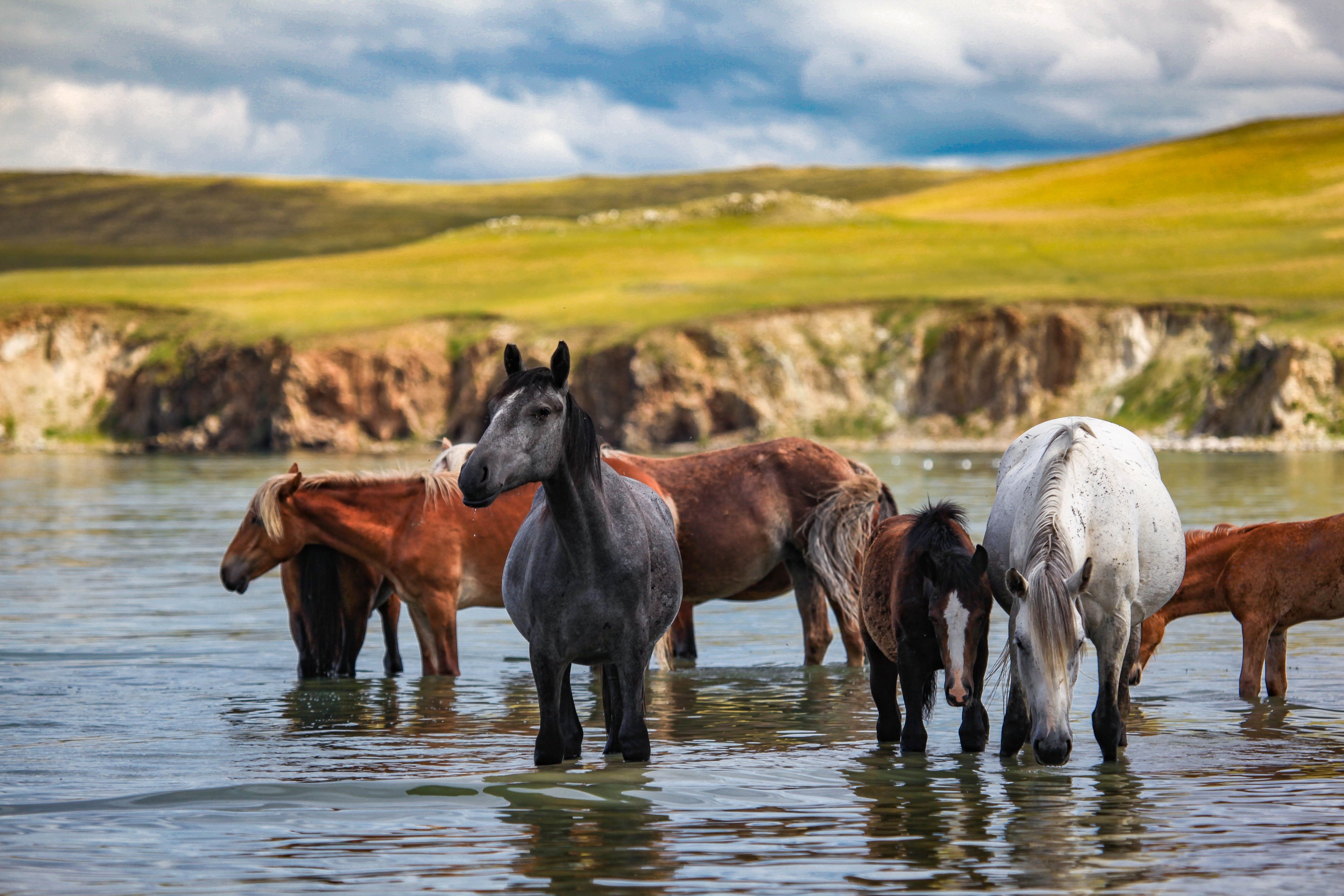
Mongolia stands today as an extraordinary destination, far removed from the mass tourism that defines much of continental Asia. Since the country's opening in 1990, Mongolia has continued to captivate travelers from around the world with its breathtaking natural landscapes and living nomadic culture that remains deeply rooted in everyday life. Choosing Mongolia for your next journey means opting for vast steppes, dense forests, high-altitude lakes, the Gobi Desert, and most importantly, unforgettable encounters !
But what exactly is the state of tourism in Mongolia? From the 1990s through the 2005–2010 period, visitor numbers surged dramatically, bolstered by the Mongolian government's commitment to sustaining this thriving sector while preserving its lands and traditions. Over the past decade, Mongolia has settled into a steady rhythm, with stable figures showing approximately 400,000 foreign arrivals annually (an estimated 150,000 to 180,000 visiting purely for tourism). French visitors number between 8,000 and 10,000 per year.
Mongolia: A Premier Destination for Travelers
Since the democratic revolution of 1990, Mongolia has experienced remarkable growth in tourism. This can be attributed to its rich and varied natural landscapes and well-preserved ancestral traditions. With a population of just 3 million inhabitants spread across 1.566 million square kilometers (by comparison, France has over 66 million inhabitants in 643,601 square kilometers), Mongolia boasts a landscape where wilderness still reigns supreme.
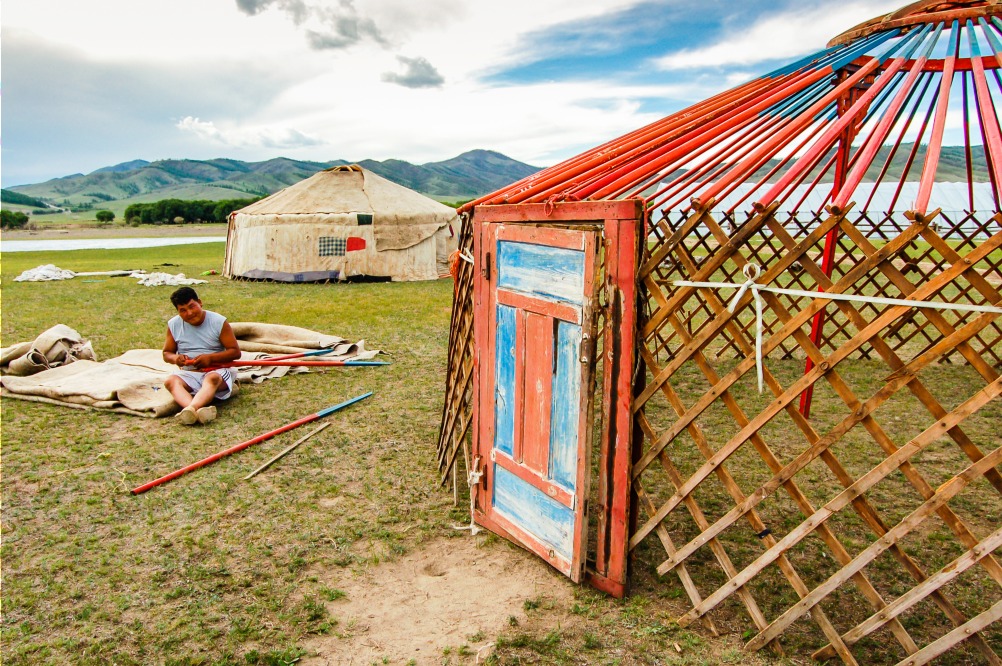
Mongolian traditions and nomadic peoples add to the extensive list of attractions drawing visitors to the Land of the Eternal Blue Sky. The destination's authenticity promises far more than a simple vacation—it represents a unique life experience for travelers increasingly seeking to return to basics and step outside their comfort zones.
From the renowned Gobi Desert to the magnificent Orkhon Valley, alongside numerous national parks such as Khövsgöl and Khorgo–Terkhiin Tsagaan Nuur, Mongolia delivers breathtaking vistas. Activities here are endless and cater to every type of adventurer: trekking and horseback riding, camel expeditions, canoeing, fishing, and more.
Explore all our tours: Authentic Circuits in Mongolia.
Mongolian Tourism Development: A Strategy Built on Openness
Before 1990, Mongolia had only a single state-run tourism agency that also controlled all travel movements. To advance the tourism sector—recognized as an excellent pathway to opening the country to the world—Mongolia sought foreign investment. While today there are over 400 travel agencies, more than 320 hotels, and over 315 tourism complexes and camping grounds, tourism here remains relatively young.
Initially supported by the European Union, Japan now leads investment efforts to establish Mongolia as a premier destination for travelers worldwide. The government typically facilitates travel agency creation by offering tax exemptions of up to 10% when investments support the development of quality hotels and ger camps.
Mongolian Tourism by the Numbers
For a comprehensive overview of the state of tourism in Mongolia, here are key statistics:
Number of tourists visiting Mongolia:
In 2000: 137,000
In 2004: 300,000
In 2007: 450,000
In 2008: 446,000
In 2009: 411,000
Source: Wikipedia (https://en.wikipedia.org/wiki/Tourism_in_Mongolia)
In 2015: 386,000
In 2016: 404,000
Source: Knoema (https://knoema.com/atlas/Mongolia/Number-of-arrivals)
Tourism revenue in Mongolia (in US dollars):
In 2005: $203,000,000
In 2007: $349,000,000
In 2008: $272,000,000
In 2009: $253,000,000
In 2015: $279,000,000
In 2016: $379,000,000
Source: Knoema (https://knoema.com/atlas/Mongolia/Tourism-revenue)
Average length of stay and revenue per visitor:
Average stay duration: 12 days
Revenue per person per day: $106 USD
Revenue per person per stay: $1,272 USD
Revenue from international tourists using package tour services (through a travel agency): average trip package of $2,280 USD
Total number of employees in Mongolia's tourism sector:
More than 12,000 employees, including 214 certified interpreter guides
Percentage of foreign workers in Mongolia's tourism sector:
23.8% Korean
11.3% Chinese
10% Japanese
7.8% North American
6.3% German
4.5% French
3.1% Russian
33.2% distributed across the rest of the world (primarily from geographically close Asian countries or Western European nations)
Tourism infrastructure in Mongolia:
More than 400 travel agencies
More than 320 hotels
More than 315 tourism complexes and camping grounds
More than 220 equipped ger camps
2018 Figures for Horseback Mongolia
Your English-speaking travel agency Horseback Adventure Mongolia is proud to be the leading English-speaking travel agency in Mongolia.
Number of satisfied clients in 2018: 2,000
Number of departures: 450
Number of guides employed in 2018: 77
Frequently asked questions
Mongolia welcomes approximately 400,000 foreign visitors annually, with 150,000 to 180,000 visiting purely for tourism purposes. French visitors represent between 8,000 and 10,000 annual arrivals.
The average length of a tourism stay in Mongolia is 12 days, with an average budget of $106 USD per day, totaling approximately $1,272 per stay.
Tourism in Mongolia began developing following the democratic revolution of 1990, which opened the country to foreign investors and travelers. Before this date, only a single state-run tourism agency existed, controlling all travel movements.
Mongolia offers a wide range of activities: trekking and horseback riding, camel expeditions, canoeing, fishing, and immersion experiences with nomadic peoples. Landscapes range from the Gobi Desert to the Orkhon Valley, passing through numerous national parks.
Mongolia today has over 400 travel agencies, as well as more than 320 hotels, 315 tourism complexes and camping grounds, and over 220 equipped ger camps.
Yes, between 8,000 and 10,000 English-speaking travelers visit Mongolia each year. Specialized English-speaking agencies offer tailored itineraries, and Mongolia represents a destination off the beaten path, ideal for travelers seeking authenticity and pristine wilderness.