Khurgan Lake
Khurgan Lake
A 23 km glacial lake in the Mongolian Altai, Khurgan is home to twenty islands, migratory bird species, and high mountain landscapes near Tavan Bogd.
Khurgan Lake stretches for 23 kilometers long and 6 kilometers wide in the northern Mongolian Altai range, near Altai Tavan Bogd National Park. Fed by meltwater from surrounding glaciers, it forms with the nearby Khoton Lake a lacustrine complex situated in one of Mongolia's most remote regions, in the far west of the country, in Bayan-Ölgii province.
Why visit Khurgan Lake
Khurgan Lake attracts three types of travelers. Hikers find a starting or finishing point for Altai itineraries, complementing an ascent of the Tavan Bogd massif. Birdwatchers observe dense avifauna, favored by the lake's position on a migration corridor. Travelers seeking solitude appreciate the absence of heavy tourist infrastructure: the zone remains inhabited mainly by Kazakh and Tuvan herders who still practice summer transhumance.
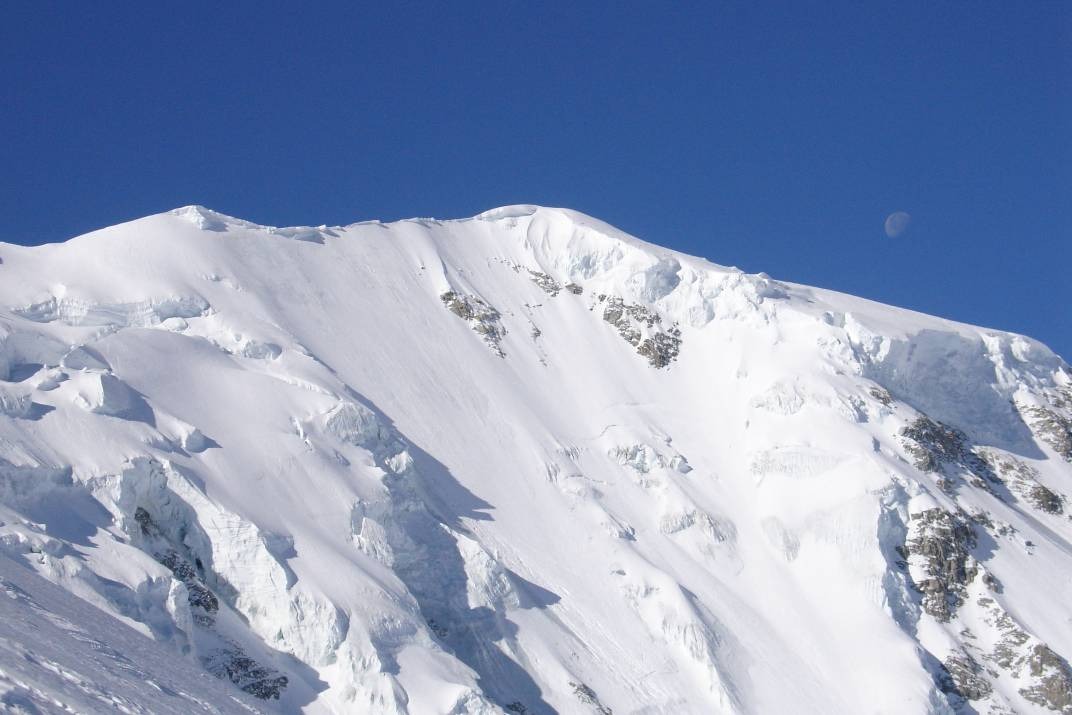
The site also stands out for its twenty small islands, its wooded shores, and the visible presence of Altai glaciers in the background, which peak above 4,000 meters.
What to see and do
Waters and glaciers
The lake's waters come directly from glacial melt, giving them exceptional clarity. Water temperature remains cool at the surface, around 8 to 10 °C during peak summer season, and swimming is rare due to this chill. From October onward, the surface begins to freeze; in deep winter, the ice layer reaches 1.3 to 1.6 meters thick, sufficient to support riders and small vehicles.
The twenty islands
Some twenty small islands dot the lake's surface. Some serve as refuge for waterfowl during nesting. Local guides occasionally organize boat outings from the southern shores, but access remains dependent on weather and the availability of equipped herders.
Birdwatching
The riparian forests and surrounding hills harbor varied avifauna. You can regularly observe:
- the whooper swan, an emblem of Central Asia's highland lakes;
- geese and numerous varieties of ducks;
- eagles, several species of which nest in nearby cliffs;
- the demoiselle crane, more discreet, at the edge of wetland zones.
During migration periods, the site also welcomes pelicans, lapwings, and goldeneyes. Birdwatchers typically plan two to three days on site to cover the main observation posts.
Human encounters
Khurgan's shores are frequented in summer by Kazakh herding families who set up their gers near pastures. Some offer simple homestay hospitality, to be arranged on site or through an agency. It is also in this region that eagle hunting, a Kazakh tradition inscribed on UNESCO's list, is still practiced.
When to visit
The window for visiting is narrow. The practicable season runs from late June to early September, when Altai trails are clear and temperatures tolerable. July and August offer the best conditions for hiking and birdwatching, with long days and cool nights (close to 0 °C at altitude).
By October, the lake begins to freeze and trails become difficult. Winter, from November to April, closes access to unprepared travelers: very low temperatures, snow, complete isolation. The Ölgii eagle festival in October can be combined with a quick visit to the region before freezing sets in.
How to get there
Khurgan Lake lies within Altai Tavan Bogd National Park, about 180 kilometers southwest of Ölgii, the capital of Bayan-Ölgii province. The classic itinerary combines:
- a domestic flight from Ulaanbaatar to Ölgii (approximately 3 hours);
- a 4x4 transfer from Ölgii to the park entrance (5 to 7 hours on tracks depending on weather);
- the final approach is often on foot or horseback from the park guard post.
Access by private vehicle is not recommended: the trails are not marked and there is no phone network over long stretches. Turning to a local agency or a guide from Ölgii remains the safest solution.
Practical information
- Permits: entry to Altai Tavan Bogd National Park is subject to an access fee, to be paid at the guard post.
- Accommodation: no hotel on site. Options are limited to camping and homestays with herding families.
- Equipment: bring warm clothing year-round, cold-weather sleeping bag even in summer, water filter, and provisions for several days.
- Connectivity: no reliable mobile coverage. A satellite phone is useful for extended stays.
- Recommended duration: 2 to 4 days to enjoy the lake and combine with an approach to Tavan Bogd.
What to combine in the region
Khurgan Lake naturally fits into a broader circuit through Mongolia. If your itinerary passes through the capital, you can extend discovery with Khagiin Khar Lake in the Khentii region, or with the historic and religious sites of the Orkhon Valley such as the Turkish memorials of Khöshöö Tsaidam. In Ulaanbaatar, Gandantegchinlen Monastery and Gunj Temple round out the cultural experience.
Frequently asked questions
Technically yes, but the water remains cool in summer (8 to 10 °C) as it is fed by glaciers. Swimming is rare and brief.
Migration periods, in late spring (May-June) and early fall (September), offer the greatest diversity, with pelicans, lapwings, and goldeneyes.
It is highly recommended. The area is isolated, trails are not marked, and communication with local herders usually takes place in Kazakh or Mongolian.
Access becomes very difficult from October onward, when the surface begins to freeze. In deep winter, ice reaches 1.3 to 1.6 meters, but trails are rarely passable without an organized expedition.
Plan your trip
Khurgan Lake requires adapted logistics and fits into a broader itinerary in the Mongolian Altai or as a complement to a cultural journey through the country. To build a custom stay, consult our suggestions for travel to Mongolia.
Interested in this visit?
We can include it in your personalised itinerary.