Altai Tavan Bogd National Park
Altai Tavan Bogd National Park
Five sacred peaks, Mongolia's highest glacier and Kazakh culture: Altai Tavan Bogd, the country's wildest trekking terrain.
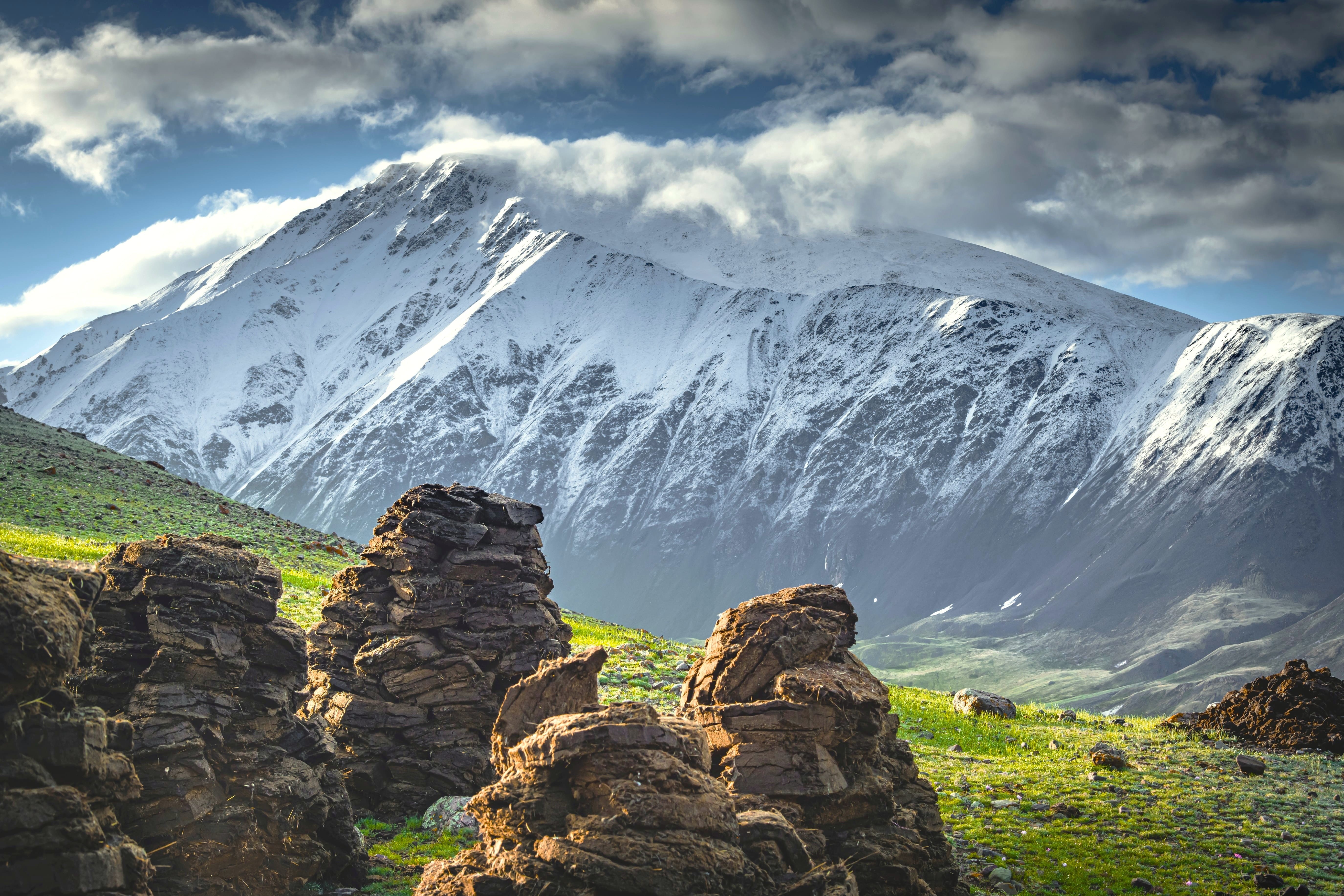
The Altai Tavan Bogd National Park, meaning the "five sacred mountains of the Altai", stretches across 6362 km² in the far south-west of Mongolia, bordering both China and Russia. Mount Khuiten is the highest peak in the range and in all of Mongolia, standing at 4374 meters. It was first summited by a Mongolian expedition in 1956.
Altai Tavan Bogd is a high mountain zone home to numerous glaciers. Some 96% of Mongolia's glacial rivers are located within Altai Tavan Bogd. The most accessible glacier is Potanine, which can be climbed via a non-technical yet physically demanding trek through the park. Those with mountaineering experience will relish ascending Malchin, the "herder's mountain" (4037 meters), Nairamdal, the "mountain of friendship" (4082 meters), and Khuiten, the "cold mountain" (4374 meters). The two remaining peaks forming the Tavan Bogd are Burged (4068 meters) and Ölgii (4050 meters).
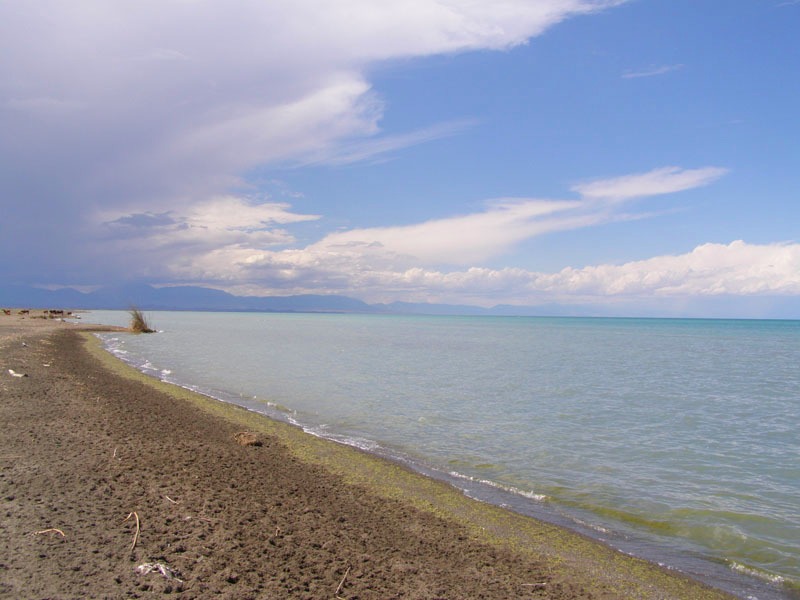
South of these high mountains, the park extends into mid-mountain terrain, ranging between 2000 and 3000 meters elevation, accessible to trekkers in good physical condition with mountain walking experience. This zone features Siberian pine and larch forests alongside numerous lakes: Khoton, Khurgan, Dayan, Khovd, Khar Salaa, Tsagaan Salaa, Songinot and Yolt.
The national park is home to diverse wildlife including argali sheep, Siberian ibex, red deer, stone marten, moose, black grouse and golden eagles.
The Mongolian Altai Petroglyphs ensemble, inscribed as a UNESCO World Heritage site, is also located within the national park. Three documented sites contain thousands of rock paintings and Turkic monoliths, including the rock paintings of Tsagaan Salaa where over 10,000 drawings can be seen across 15 km of valley.
From Ölgii, expect approximately six hours of challenging track driving to reach the national park entrance. All treks within the park require complete self-sufficiency, as there are no mountain refuges. We organize nine-day self-sufficient treks supported by camel caravans. The best trekking season runs from early June through late August.
Want to discover this destination?
Our local advisors design your tailor-made trip.