The Bogdo Khan Museum and Palace
The Bogdo Khan Museum and Palace
The former winter residence of the last Bogdo Khan in Ulaanbaatar, this palace built between 1893 and 1906 houses a museum of over 8,000 religious and political artworks.
The Bogdo Khan Museum and Palace, last residence of Mongolia's final sovereign
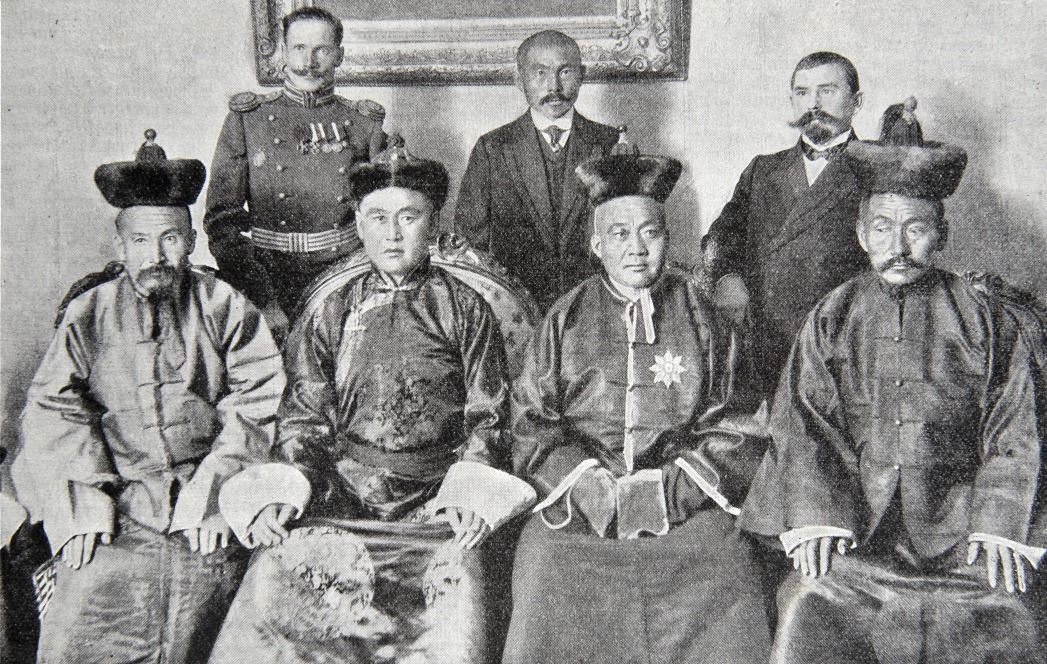
South of central Ulaanbaatar, the former winter residence of the eighth Bogdo Javzandamba Agvaanluvsan, the last Buddhist leader to rule Mongolia, now houses a museum rich with over 8,000 objects. Built between 1893 and 1906, this complex combines a Chinese summer palace and a European-style winter palace, and represents the last surviving residence among the four where the Bogdo Khan lived.
Why visit the Bogdo Khan Palace
The visit brings together several interests that are difficult to find elsewhere in Ulaanbaatar:
- A unique architectural testament: seven Chinese-style temples and pagodas stand alongside a two-story European building designed by Russian architects.
- A premier collection of Buddhist art, including 72 pieces certified as part of Mongolia's national heritage, among them sculptures by Zanabazar.
- Personal objects of the last Bogdo Khan and Queen Dondogdulam, which illuminate Mongolian court life at the turn of the 20th century.
- Rare diplomatic gifts presented by Tsar Nicholas II, the 5th Dalai Lama, and Manchu King Enkh-Amgalan.
History: from a princely residence to a national museum
The complex was built between 1893 and 1906 to serve as the winter residence of the eighth Bogdo Javzandamba Agvaanluvsan, who was both a religious leader and, from 1911 onward, head of the Mongolian state. For about two decades, he lived there with his wife, Queen Dondogdulam. The main temple gate is dedicated to her.
After the Bogdo Khan's death, the palace was nationalized in 1924. While most other religious residences were destroyed during the purges of the 1930s, this one escaped destruction. It was restored in 1961 and converted into a museum in 1974 under the name of the Bogdo Khan Museum. It is today the only one of the four residences of the last Bogdo Khan that survives.
The summer palace
Composed of seven temples and pagodas in a well-preserved Chinese style, it primarily houses ancient statues of Buddhist deities. A tent also displays statues of birds, animals, and that of a horseman.
The winter palace
A two-story European building, it served as the private residence of the sovereign couple and today concentrates the heart of the museum's collections.
What to see inside
The museum presents more than 8,000 objects, according to figures released by the institution, tracing Mongolia's political and religious history between the 17th and 20th centuries. 72 pieces have state certification, granted to unique objects or those of inestimable value.
- Sculptures by Zanabazar, the first Bogdo Gegeen and major figure in Mongolian Buddhist art, including his 21 Taras.
- The Bogdo Khan's yellow brocade vest, decorated with approximately 22,000 small pearls, as well as his crown.
- Paintings by Marzan Sharav, which humorously depict scenes of daily Mongolian life at the turn of the 20th century.
- A pair of golden boots and a musical chair, which played a melody when sat upon, presented by Russian Tsar Nicholas II.
- A coat made from the hides of 80 foxes, adorned with 61 pieces of coral and 800 pearls, given to Zanabazar by Manchu King Enkh-Amgalan.
- A sandalwood-leaf hat presented to Bogdo Khan Zanabazar by the 5th Dalai Lama.
- A yurt lined with the skin of 150 snow leopards, striking testimony to the court's splendor.
Each year, two religious rituals dedicated to the spirits of heaven and water are held within the palace grounds.
Practical information
- Duration of visit: allow 1.5 to 2 hours to explore all the temples and the winter palace collection.
- Closed days: the museum is closed on Tuesdays and Wednesdays. Check seasonal hours in advance, as they vary between winter and summer.
- Admission: paid entry, moderate rate; a supplement is usually charged for photography.
- Accessibility: some temples in the summer palace have thresholds and steps that limit access for those with mobility difficulties.
When to visit
Ulaanbaatar can be visited year-round, but winters are harsh (temperatures frequently below -20°C from December to February). The most pleasant period to combine a palace visit with exploring the capital extends from late May to mid-September. In July, the Naadam festival draws crowds: plan to visit the museum early in the morning to avoid the rush. Early autumn (September) offers particularly clear light on the pagoda rooftops.
How to get there
The palace is located approximately 1.5 km south of Sukhbaatar Square. From the center, walk along the Bayangol hotel, cross Peace Bridge, and continue straight until the intersection of Zaisan Road and the airport road: the winter palace entrance is located there. It takes 25 to 30 minutes on foot from the central square, or a short taxi ride.
What to see nearby
The Bogdo Khan Museum easily combines with other religious and historical sites in the capital and its surroundings:
- The Gandantegchinlen Monastery, the main active Buddhist center in Ulaanbaatar.
- The Gunj Temple, more discreet, located northeast of the capital.
- The Khambiin Khiid Monastery, to further explore Mongolian Buddhism.
Frequently asked questions
The museum is closed on Tuesdays and Wednesdays. Opening hours vary by season: it is advisable to check the day before your visit.
Allow approximately 1.5 to 2 hours to explore the summer palace, its temples, and the rooms of the winter palace where the main collections are displayed.
The eighth Bogdo Javzandamba Agvaanluvsan was both the religious leader of Mongolian Buddhism and head of state of Mongolia following independence in 1911. The palace served as his winter residence for about two decades with his wife, Queen Dondogdulam.
No, it is located approximately 1.5 km south of Sukhbaatar Square, accessible on foot in 25 to 30 minutes or a few minutes by taxi.
Photography is generally permitted for a supplement. Flash and tripods may be prohibited in certain rooms housing fragile objects.
Planning your trip
The Bogdo Khan Museum and Palace naturally integrates into a stay in Ulaanbaatar before heading to the steppes, the Gobi Desert, or the alpine landscapes of the north. To build an itinerary tailored to your interests, consult our journeys in Mongolia designed with our local teams.
Interested in this visit?
We can include it in your personalised itinerary.