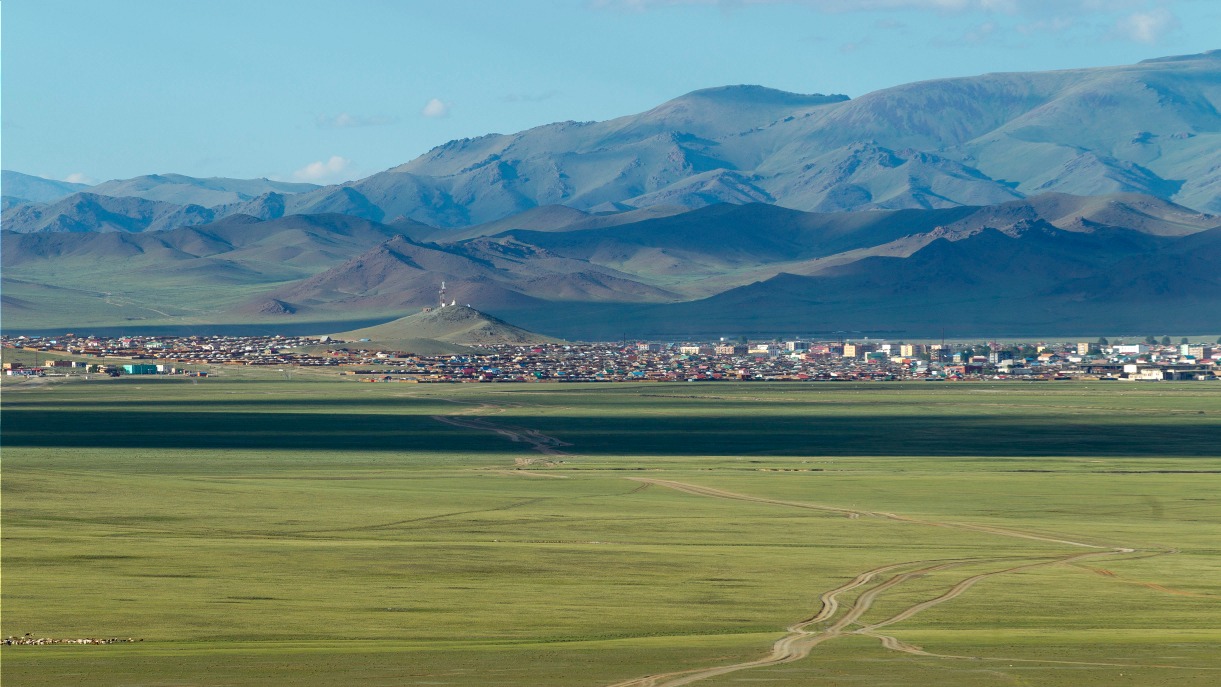
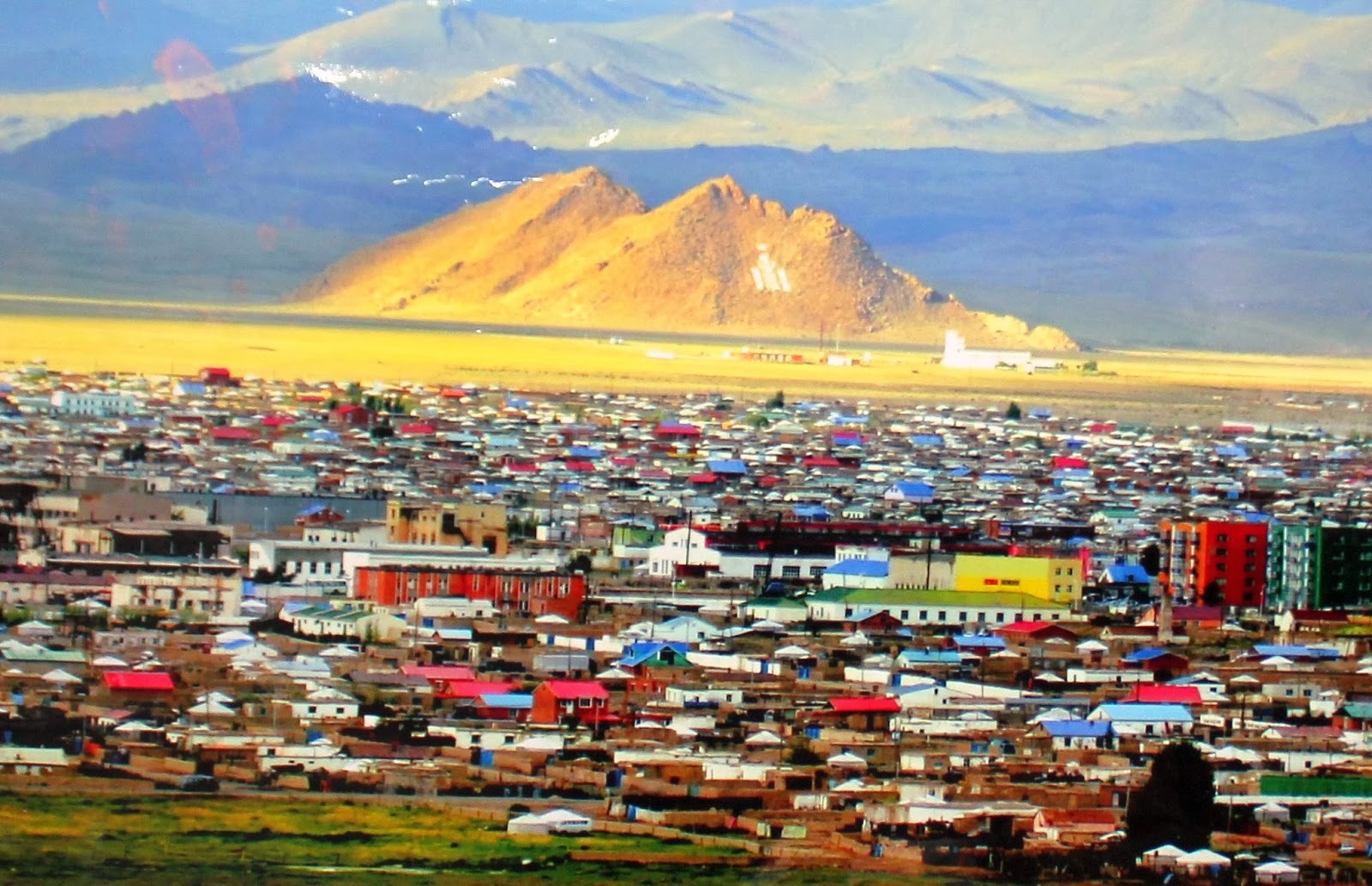
South of Bulgan Mountain, in Tsetserleg, Zayan Gegeen Monastery stands as a testament to four centuries of Mongolian Buddhist history. Founded in 1616 by the monk Zayan Gegeen, it became an ethnographic museum in the twentieth century and today brings together Tibetan-Mongolian architecture, archaeological remains, and collections showcasing the Arkhangai region.
Why visit Zayan Gegeen Monastery
- A seventeenth-century monastic complex, one of the oldest in central Mongolia.
- Architecture blending Tibetan, Tibetan-Mongolian and Sino-Tibetan styles, constructed in wood, stone, blue bricks and tiles.
- An ethnographic museum presenting the modern history of Arkhangai, its wildlife and flora, and ancient religious artifacts.
- A remarkable piece: a stone tortoise from the Turkish remains of Bugatiin Dursgal, in the Deer Plain.
- A natural stop at the heart of Tsetserleg, the provincial capital at the gateway to Khangai.
History of the monastery
A foundation in the early seventeenth century
It was the monk Zayan Gegeen who, in 1616, established the monastery and the village surrounding it, at the southern foot of Bulgan Mountain. Tradition holds that he was reincarnated three times: the first floor of the central building houses three temples containing the remains of the three Zayan Gegeens.
At its height, the site comprised several temples and could accommodate a thousand monks daily. According to local sources, certain major religious ceremonies are said to have gathered up to 4,000 monks.
Transformations and restorations
Two Tibetan-style wings were added during the nineteenth century. Originally composed of two storeys, they were reduced to a single storey in the early twentieth century. Under communist rule, the building ceased all religious function and served as a warehouse. The temple was restored in 1951, then converted into an ethnographic museum. Today, no religious activity takes place there.
What to see on site
The architecture of the complex
The ensemble is built in wood, stone, blue bricks and tiles. The volumes of the central body, inspired by Sino-Tibetan design, contrast with the Tibetan lateral wings added in the nineteenth century. The overall layout preserves the character of a traditional Lamaist monastery, despite twentieth-century transformations.
Museum collections
The museum occupies the former religious spaces. Several rooms approach the region from different angles:
- An exhibition on the modern history of Arkhangai, its populations and ways of life.
- A room dedicated to local wildlife and flora, useful before exploring the surrounding steppe.
- The former library, on the first floor, where ancient religious objects are displayed.
The tortoise of Bugatiin Dursgal
Among the most remarkable pieces is a stone tortoise from the remains of Bugatiin Dursgal, a collection of standing stones located in the Bugat Plain, the "Deer Plain".
Bugatiin Dursgal contains the oldest known remains of Turkish empires to date. The oldest stelae found on site date to 582.
This tortoise, a typical support for Turkish commemorative stelae, makes the museum a valuable complement to visits of the Orkhon archaeological sites.
Practical information
- Location: in Tsetserleg, capital of Arkhangai province, at the southern foot of Bulgan Mountain.
- Duration of visit: allow 1 to 1.5 hours to tour all the rooms and the exterior complex.
- Hours and fees: daytime opening, moderate entrance fee; information to be confirmed locally before visiting.
- Best period: June to September, when Arkhangai roads are passable and the climate is mild.
- To bring: a torch can be useful, as interior lighting is limited in some rooms.
How to get there
Tsetserleg is located approximately 450 km west of Ulaanbaatar, along the road leading to Khangai. The journey by vehicle from the capital typically takes a full day, depending on road conditions and stops. Once in Tsetserleg, the monastery is accessible on foot from the town centre, heading up towards the foot of Bulgan Mountain.
Most tours in central Mongolie include a stop in Tsetserleg, often combined with the Orkhon Falls, Terkhiin Tsagaan Lake or the Karakorum site.
Nearby
The monastery lends itself well to a visit integrated into an itinerary in the heart of the country:
- Tsetserleg and its alleyways, an ideal base for exploring Arkhangai.
- The Turkish memorials of Khöshöö Tsaidam, an archaeological extension consistent with the Bugatiin Dursgal piece displayed in the museum.
- The Khambiin Khiid Monastery to compare Mongolian monastic architectures.
- Khagiin Khar Lake, a natural stop in the same region.
Include the monastery in your journey
Zayan Gegeen Monastery fits naturally into a tour dedicated to central Mongolie, between Karakorum, the Orkhon and Khangai. To build a tailor-made itinerary passing through Tsetserleg, consult our Mongolie trips.